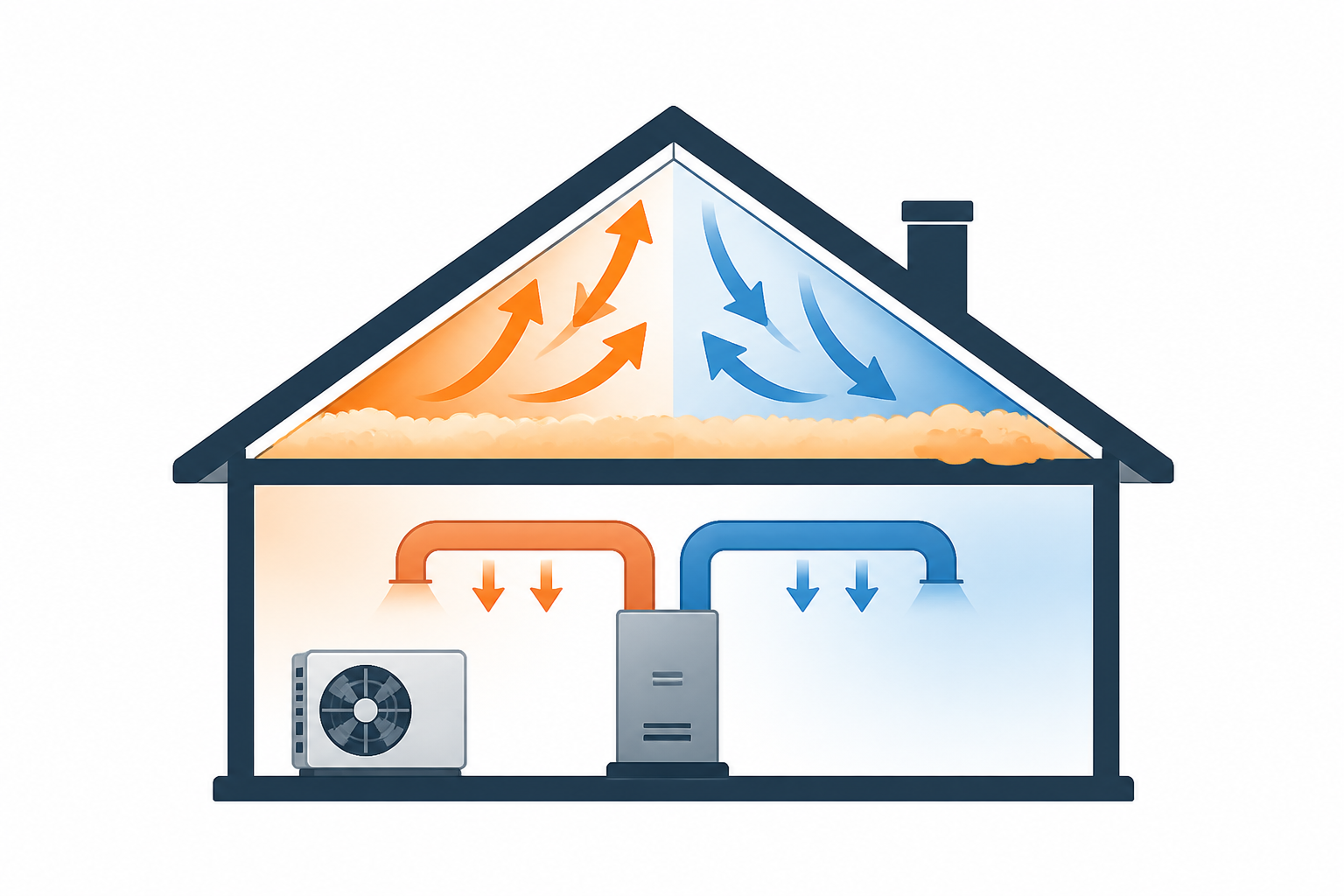
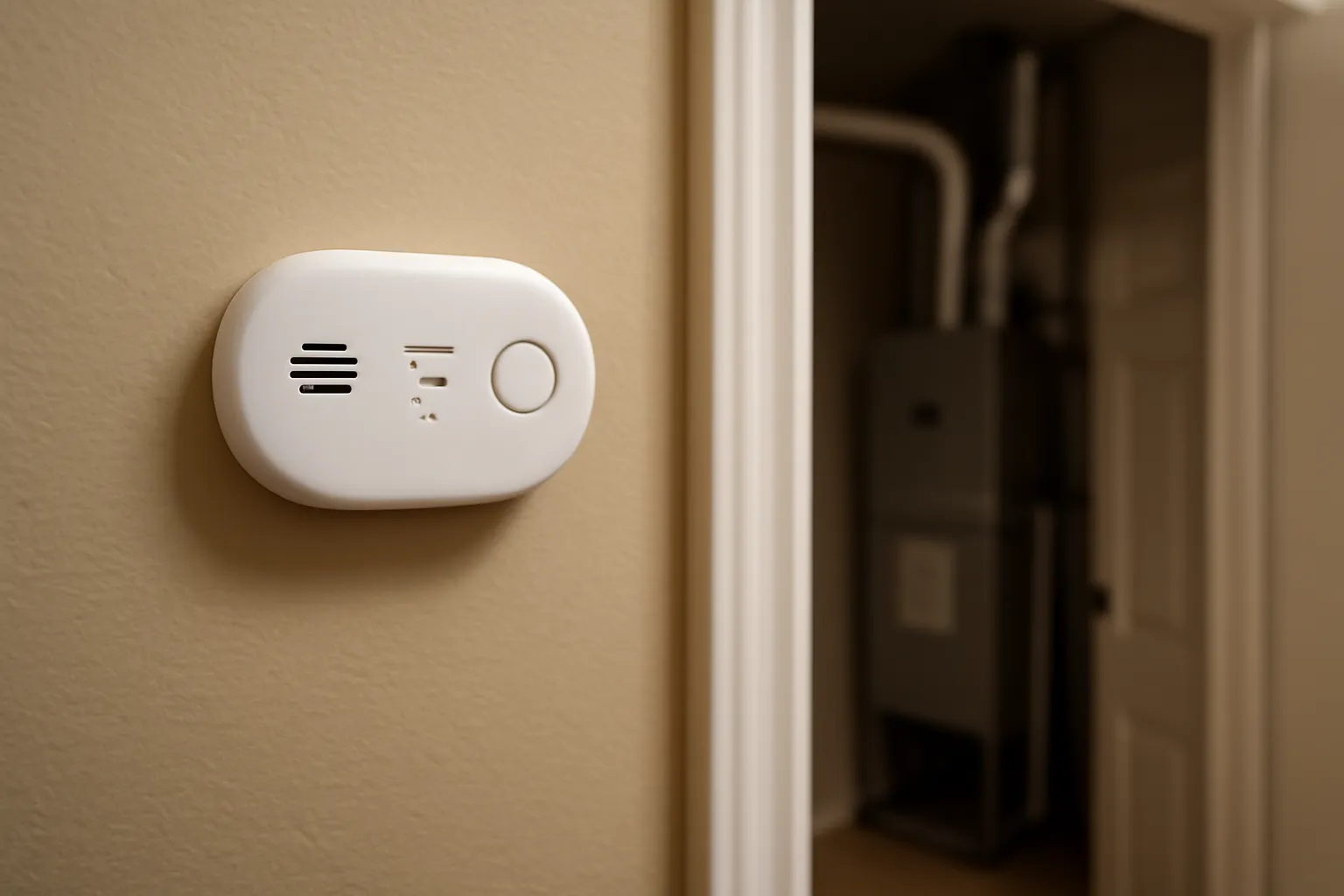
Nearly every homeowner operates on the same unshakable assumption: if carbon monoxide starts building up inside a house, the alarm on the hallway ceiling will sound before anyone gets hurt. Fifteen-plus years of running combustion safety inspections has taught me that assumption is flat wrong, and nothing proved it faster than a family I met in a suburb outside Salt Lake City. Mom, dad, and their teenage daughter had spent close to four months cycling through doctor’s appointments — pounding headaches, bone-deep exhaustion, nausea that hovered just short of vomiting, and a mental fog thick enough that the daughter’s grades slipped and her school took notice. One physician chalked it up to stress. Another floated mold. Not a single one asked the question that would have solved the whole mystery in about thirty seconds: does everyone feel better the moment they leave the house? Because they did, every single time. Weekends spent at grandma’s across town, and the whole family bounced back to normal. Home again by Monday night, and by Tuesday the headaches returned like clockwork. I wasn’t even called out for a safety complaint — it was a routine annual furnace tune-up. The second I slid my combustion analyzer into the supply plenum, the reading climbed past 40 PPM. The standard CO alarm bolted to their hallway ceiling never made a peep. Four straight months of silence. That gap — between what a CO alarm is engineered to catch and what actually makes people sick — is the most dangerous blind spot in home carbon monoxide safety, and it’s the entire subject of this post.
Low-Level CO Exposure, Explained: Why Silence Is Built Into Your Alarm
Here’s what most homeowners never stop to consider: a standard CO alarm was never engineered to shield you from low-level carbon monoxide exposure. Its job is to rouse you before high concentrations kill you while you sleep. That’s a meaningful distinction, and it’s spelled out directly in the standard every one of these units has to meet.
UL 2034 — the standard behind nearly every consumer CO alarm sold in this country — defines alarm timing as ranges, never single trigger points: the unit must sound somewhere between 60 and 240 minutes once it hits 70 PPM, between 10 and 50 minutes at 150 PPM, and between 4 and 15 minutes at 400 PPM. Notably, the standard flat-out states that alarms should not go off at 30 PPM or under, no matter how long the exposure lasts. Anything below 70 PPM, and your alarm is legally allowed to take hours to respond — or to never respond at all. That’s by design, not by accident. The rule exists to keep alarms from crying wolf over things like car exhaust wafting in through a cracked window, and to keep the focus squarely on the acute, life-or-death scenario.
That logic holds up fine for acute CO poisoning — a generator left running in an attached garage, a furnace flue that suddenly separates and sends CO rocketing to 500 PPM within an hour. That’s a genuine medical emergency, and yes, your alarm will catch it. But chronic, low-level CO exposure is an entirely different physiological animal.
Hold at a sustained 10 to 50 PPM — a range your standard alarm will never react to — and carbon monoxide quietly attaches itself to the hemoglobin in your blood, cutting into your body’s ability to move oxygen where it needs to go. The damage stacks up gradually, over days and then weeks, as carboxyhemoglobin (COHb) saturation climbs. Somewhere between 2 and 5% COHb, you’re dealing with headaches and fatigue. Push into the 10 to 20% range, and now you’re looking at genuine neurological symptoms. The cruel part is how closely these low-dose symptoms resemble a dozen other conditions — tension headaches, seasonal depression, anemia, anxiety, a lingering virus — so most people never draw the connection. Their doctors usually miss it too, since physicians rarely think to ask about indoor air quality and almost never order a COHb blood test unless a patient walks in mid-crisis.
The tell that should always set off alarm bells: symptoms that fade as soon as you leave the house and creep back once you return. A seasonal rhythm to the misery — worse through winter, when the furnace is running around the clock. Several household members reporting the same overlapping complaints. A pet that’s suddenly sluggish or off its game. Check any of those boxes, and chronic CO exposure has to be crossed off the list before you chase any other diagnosis.
Certain groups face a steeper risk at these same low concentrations. Infants, older adults, pregnant women, and anyone with existing heart or lung disease react to CO at thresholds far below what a healthy adult can tolerate. A 30 PPM exposure that leaves a healthy adult with nothing worse than a mild morning headache can trigger measurable cardiac strain in someone with coronary artery disease, and can disrupt oxygen delivery to a developing fetus. These groups simply don’t have the buffer the rest of us do — which is precisely why sitting around waiting for a standard alarm to trigger isn’t real protection for them.
The Detector That Found What Four Months of Doctor Visits Never Did
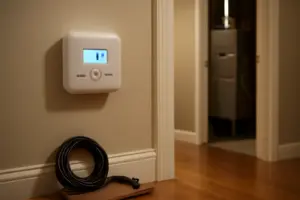
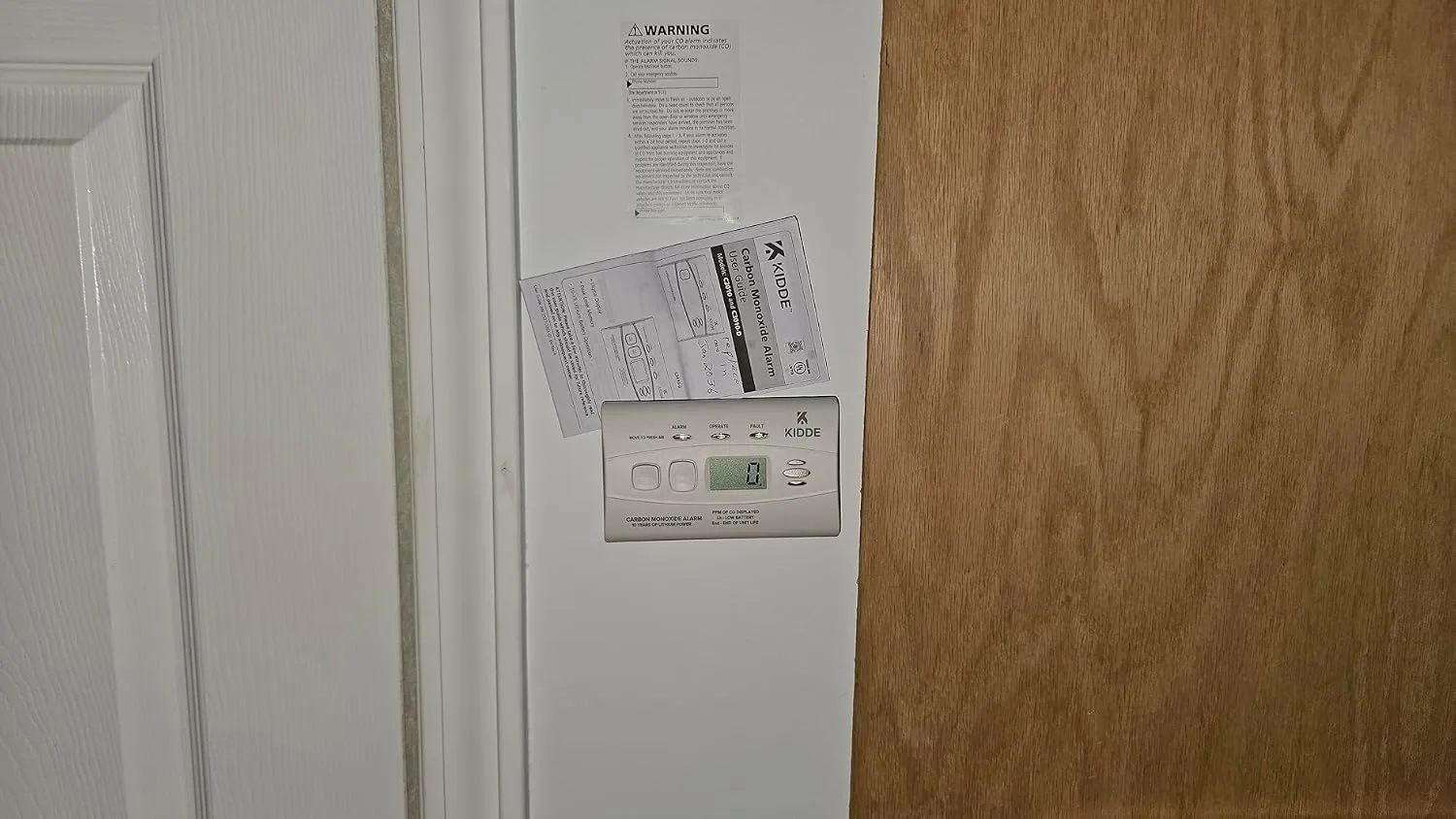
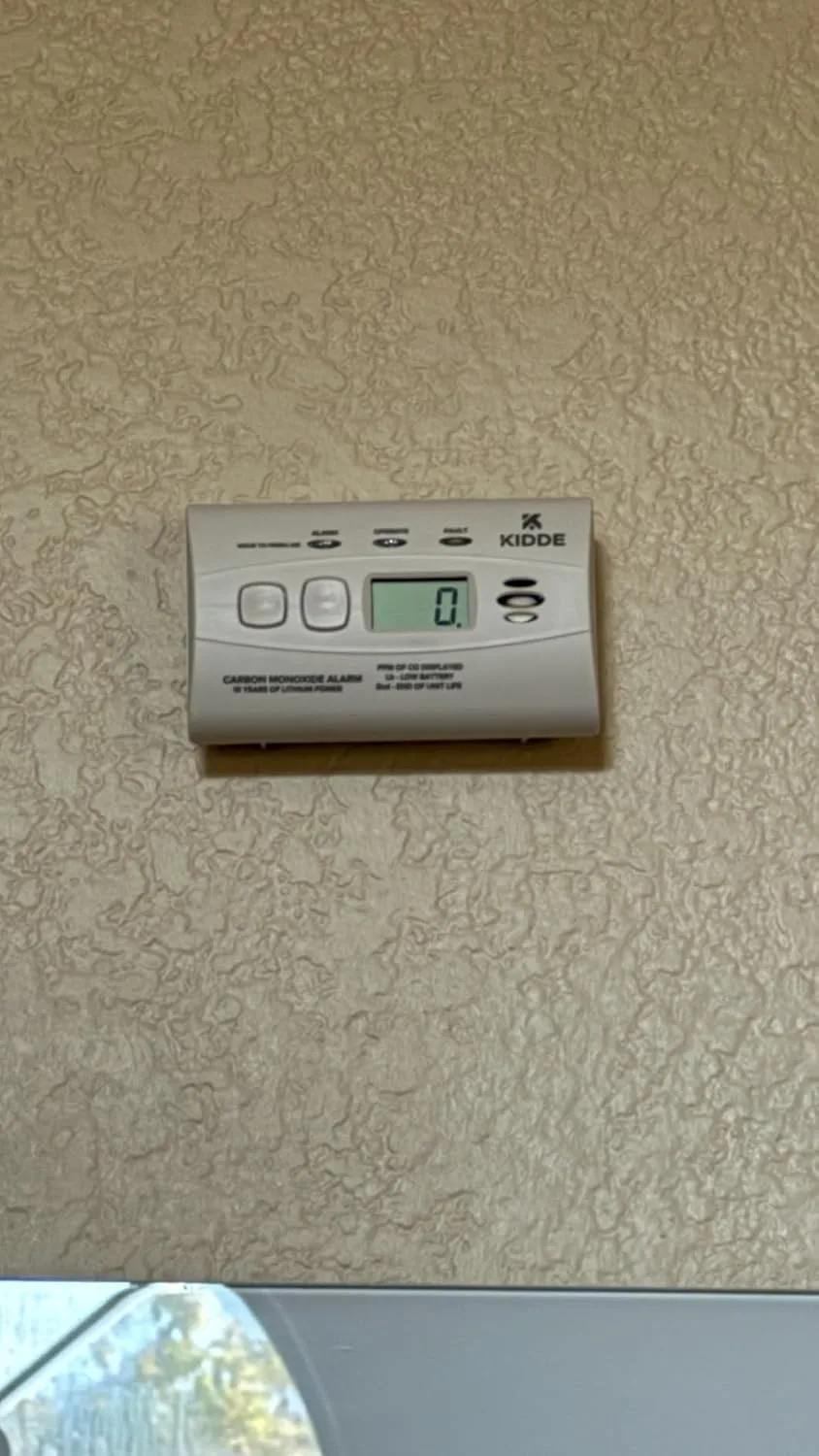
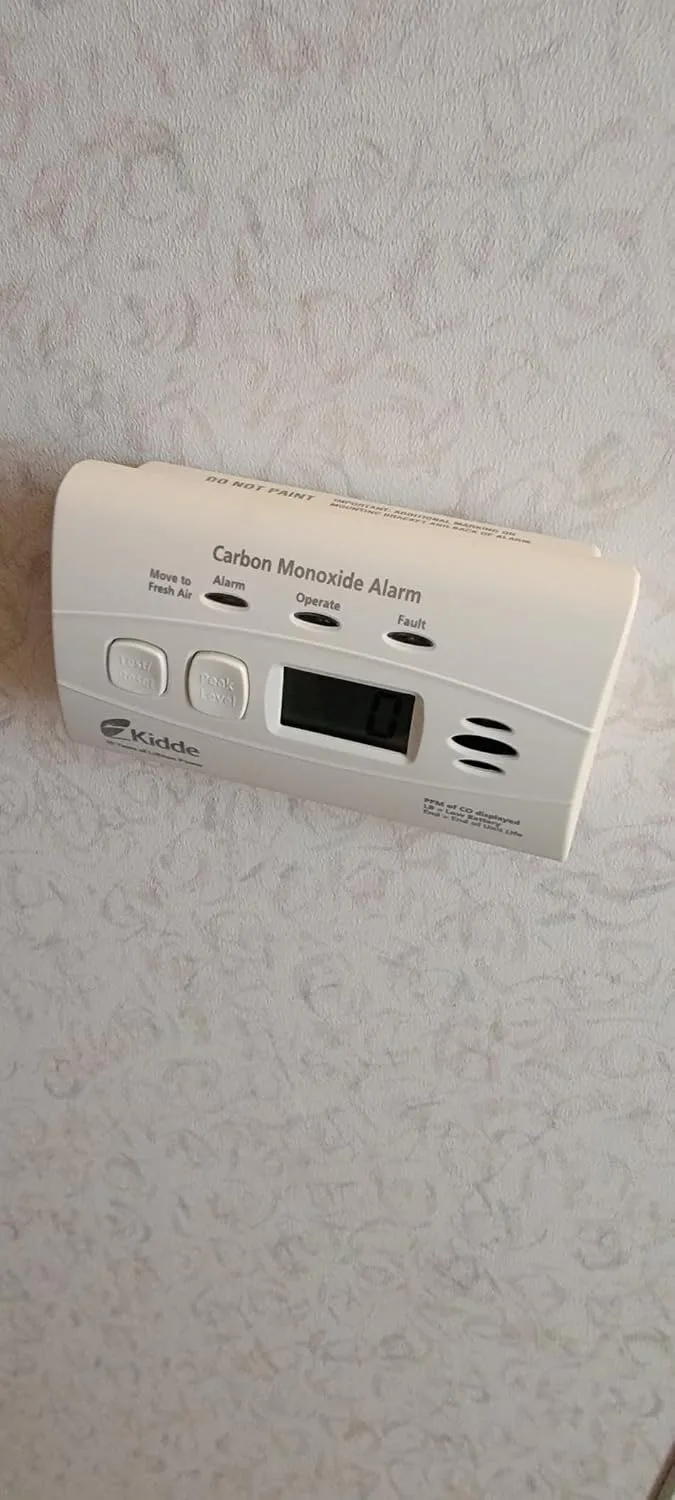
Standard CO alarms are tuned to sound off at dangerous concentrations — but “dangerous” and “making you sick” are two different thresholds entirely. A battery-powered unit with a digital readout lets you actually watch the real-time CO level in your home, instead of waiting around for a siren to justify your suspicions.
Where it delivers
- The digital screen displays the actual parts-per-million reading, so you can catch a slow climb (30–70 ppm) causing symptoms well before the alarm’s 70 ppm threshold ever gets tripped
- A 10-year battery removes the dead-battery lottery that leaves so many American detectors quietly disarmed
- The backlit screen stays readable in basements and furnace rooms — exactly the dim spots where you most need to check it and least often can
Where it falls short
- It only works if someone actually glances at it — a quiet digital number on a screen won’t shake anyone awake at 2 a.m. the way a blaring alarm would
- Being battery-powered gives you placement freedom, but that only pays off if you mount it somewhere the household actually passes by, not tucked behind a door where nobody looks
I almost dismissed this step as redundant—I had an alarm, wasn’t that enough?—until I saw the numbers climb to 45 ppm on a winter morning with a plugged furnace exhaust. That’s when I realized I’d been gambling with my own family’s health. Get the Kidde Carbon Monoxide Detector, 10-Year Battery Powered with Digital Backlit Display (COBD10) and stop guessing.
Frequently Asked Questions About CO Alarm Thresholds
Does a standard CO alarm stay silent until carbon monoxide hits 70 ppm?
Essentially, yes. Under the UL 2034 standard, a residential CO alarm must not sound below 30 ppm, and at 70 ppm it’s allowed to take anywhere from 60 to 240 minutes to alarm. That’s a deliberate, time-weighted delay built in to prevent nuisance alarms from everyday combustion sources. Your alarm isn’t broken — it’s doing exactly what it was engineered to do.
What CO level will trigger an alarm immediately?
150 ppm will trigger a UL 2034 alarm within 10 to 50 minutes, and 400 ppm within 4 to 15 minutes. The pattern is simple: the higher the concentration, the faster the response. These faster triggers exist to catch acute, dangerous leaks quickly — not the slow, low-level exposure that makes people feel chronically unwell.
Can you get carbon monoxide poisoning below 70 ppm?
Yes, absolutely. Sustained exposure in the 10 to 30 ppm range — well under any standard alarm’s threshold — can cause headaches, fatigue, nausea, and cognitive fog, especially in children, older adults, pregnant people, and anyone with heart or lung disease. This low-level range is precisely the gap a code-required alarm is not designed to catch.
Why won’t my CO detector go off when I feel sick?
Because the CO level in your home is likely below the alarm’s designed threshold, or hasn’t persisted long enough to satisfy its time-weighted response curve. The classic giveaway is symptoms that fade when you leave the house and return within an hour or two of coming back — that pattern points to chronic low-level exposure, not a false alarm on your end.
What is a low-level CO monitor?
A low-level CO monitor is a plug-in or battery device that displays an actual ppm reading and typically alerts in the 5 to 15 ppm range — far below the 30 ppm floor of a UL 2034 alarm. I recommend one in every home as a supplement, never a replacement, for your code-required alarm; you still need both.
Where should CO alarms be placed?
NFPA 720 recommends one CO alarm on every level of the home, including the basement, plus one outside each separate sleeping area. Larger homes or homes with multiple furnaces or attached garages often need additional units. See our full placement guide for room-by-room recommendations specific to your layout.
If anyone in the home has symptoms, or an alarm sounds, get everyone outside into fresh air immediately and call 911 or the fire department from outside. Do not go back in to investigate, open windows, or find the source. This is never a troubleshooting task to do while people are still inside the building.
About This Article

Written by Dana Sorensen. Homeowner turned building-science obsessive. I help other homeowners understand attic insulation, ventilation, and air quality so they can stay comfortable year-round without overspending on energy bills. More about this site.
Scope and limits. Dana is a homeowner who studies building science, not an HVAC contractor or licensed tradesperson. Anything involving combustion appliances, gas lines, or electrical work belongs with a licensed contractor.
Verify this against a primary source
Specifics change, and your situation may differ from the one described here. These are the authorities worth checking directly:
- ENERGY STAR — recommended insulation R-values by climate zone
- U.S. Department of Energy — air sealing and insulation guidance
- EPA Indoor Air Quality — ventilation and indoor air quality standards