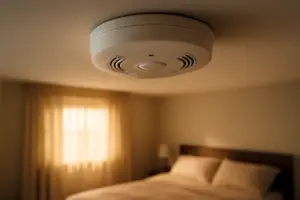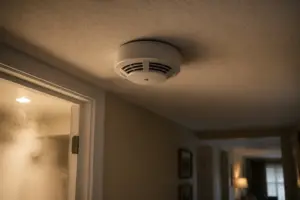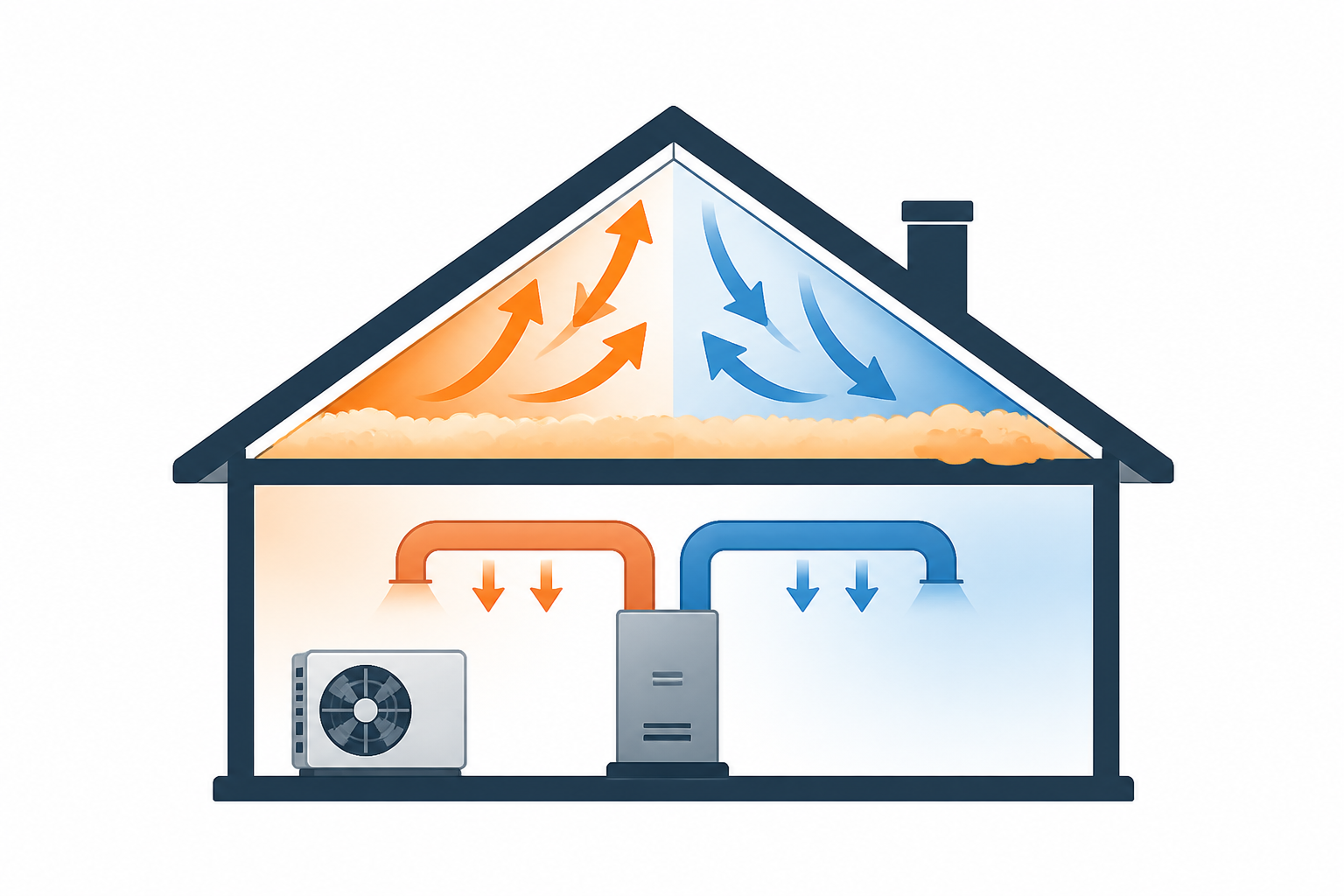
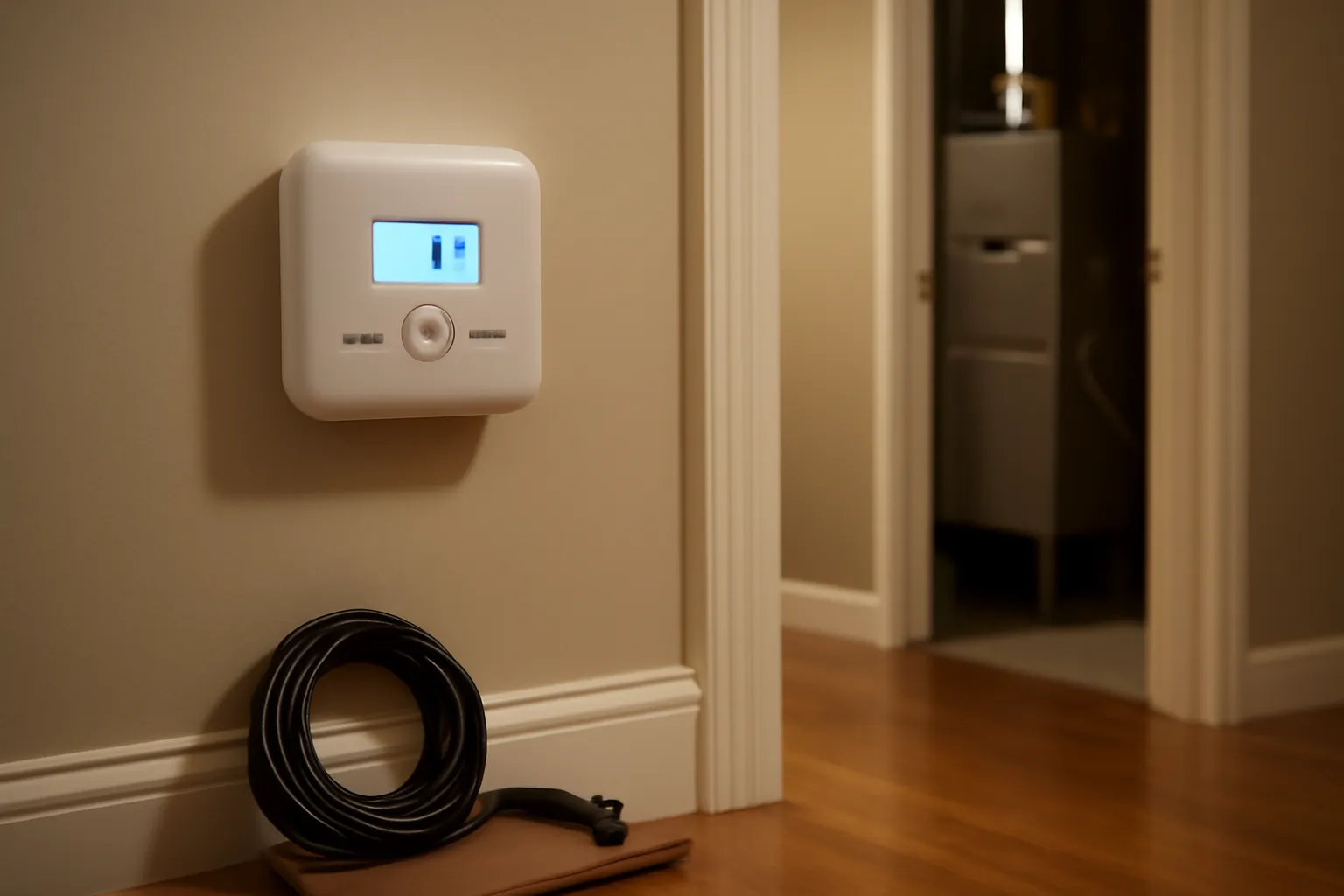
Early on, I made an assumption that still bothers me when I think about it. A neighbor’s kitchen had a CO alarm mounted right by the hallway, batteries fresh, unit tested and working — so I moved on without ever pulling out my own meter to check ambient levels near the furnace. Weeks later that same family started complaining of morning grogginess and headaches that eased up whenever they left the house. Turned out their furnace had a hairline crack in the heat exchanger, quietly dosing the place with carbon monoxide every heating cycle, and the wall-mounted alarm never so much as blinked. That job taught me something I now build my entire inspection process around: a working alarm and a safe home are not the same thing. If you’re wondering why the best low level carbon monoxide detector digital display isn’t just a nice-to-have gadget — why it can be the thing that catches trouble months before an ambulance would — stick with me here.
Why a Code-Compliant CO Alarm Can Still Leave You Exposed
There’s a detail most homeowners never hear, and one the alarm manufacturers certainly aren’t putting on the packaging: the certification your CO detector carries was built to stop sudden, acute poisoning deaths. It was never designed to flag the slow, chronic, low-dose exposure that’s actually the more common scenario in homes with a struggling combustion appliance.
The rulebook here is UL 2034, and it lays out a fairly narrow set of triggers before an alarm is obligated to sound:
- 70 PPM held steady for anywhere from 60 to 240 minutes
- 150 PPM held steady for 10 to 50 minutes
- 400 PPM held steady for just 4 to 15 minutes
Look closely at that first line again. A concentration of 70 parts per million — high enough that the EPA says it can trigger headaches, dizziness, and confusion in an otherwise healthy adult — is allowed to linger in your house for up to four straight hours before a fully compliant alarm has to make a sound. And that’s the threshold at 70 PPM. Drop down to 35 PPM, the exact reading I measured in that homeowner’s living room, and a standard alarm is under zero obligation to ever alert you. UL 2034 has no response requirement below 70 PPM. None whatsoever.
Here’s how those figures translate to actual human exposure limits: OSHA caps home worker exposure at 50 PPM across an eight-hour shift. NIOSH’s recommended ceiling — meant for people working in gear-equipped, controlled settings — sits at 35 PPM. Meanwhile your family is asleep in that same air. Your kids are sitting at the kitchen table doing homework in it. And that ceiling-mounted alarm you paid thirty bucks for stays quiet, because staying quiet is exactly what it’s engineered to do at that level.
Homes end up with these lingering low-level CO problems more often than people assume. Across my years doing HVAC and home-performance work, the same handful of culprits keep showing up whenever I trace a chronic reading back to its source:
- A cracked or rusted-through heat exchanger — arguably the sneakiest cause, since the leak often only happens intermittently, once the blower pressurizes the system.
- A clogged or failing flue vent — nesting birds, ice buildup, a collapsed liner — any of which sends CO that should be exhausted outdoors right back into the house.
- Backdrafting in naturally-vented equipment — a tightly sealed home or an exhaust fan pulling harder than the flue can counter, dragging combustion gases back down into the living space.
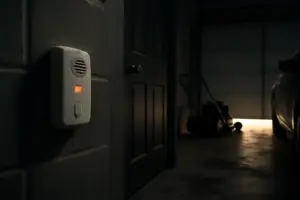
- Exhaust fumes seeping in from an attached garage — even a car left running for half a minute can push CO through shared wall penetrations, gaps under doors, or ductwork tied to the garage.
- Combustion byproducts from gas ranges and ovens — a bigger risk in kitchens lacking real ventilation, or with burners that haven’t been tuned in years.
Any one of these situations can quietly hold a home at 20 to 50 PPM for days, weeks, sometimes months at a stretch. That’s exactly why a residential-grade low level CO monitor — the kind that shows an actual real-time PPM number instead of just a light — matters so much. It turns an invisible, silent threat into a number you can watch, track, and act on before it becomes an emergency.
The Monitor That Picked Up What Her Body Had Been Trying to Tell Her
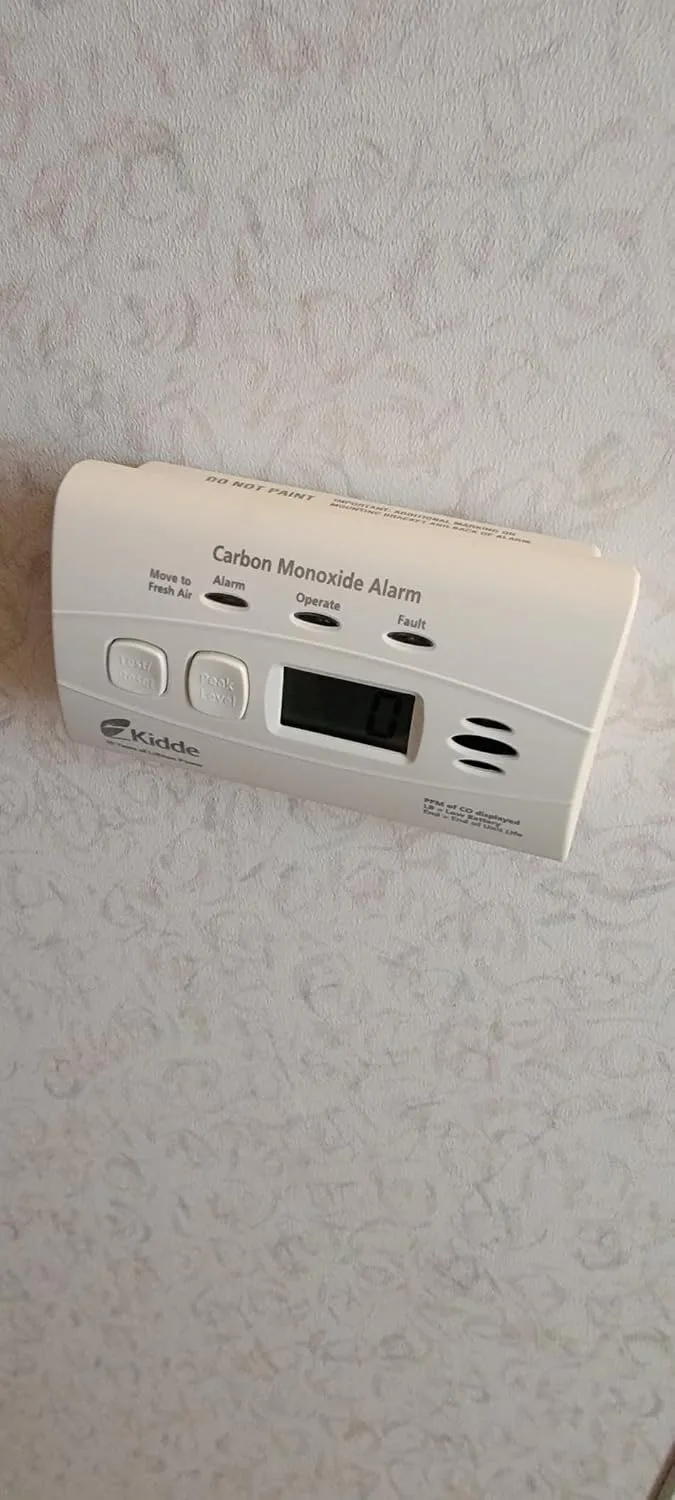
Standard CO alarms are engineered to sound only once you’ve already crossed into dangerous territory — meaning the exposure has already started doing damage by the time you hear anything. What you actually want is a unit with a digital readout and a memory feature, something that quietly records what happened overnight or while you were out, so you can finally connect your symptoms to real numbers.
What earns its keep
- A 10-year sealed battery means no last-minute scramble to swap it out in the dead of winter — and no risk of it going dark right when heating-season CO risk is at its highest.
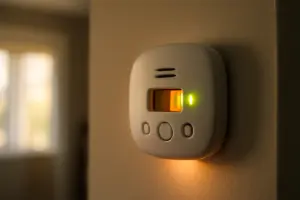
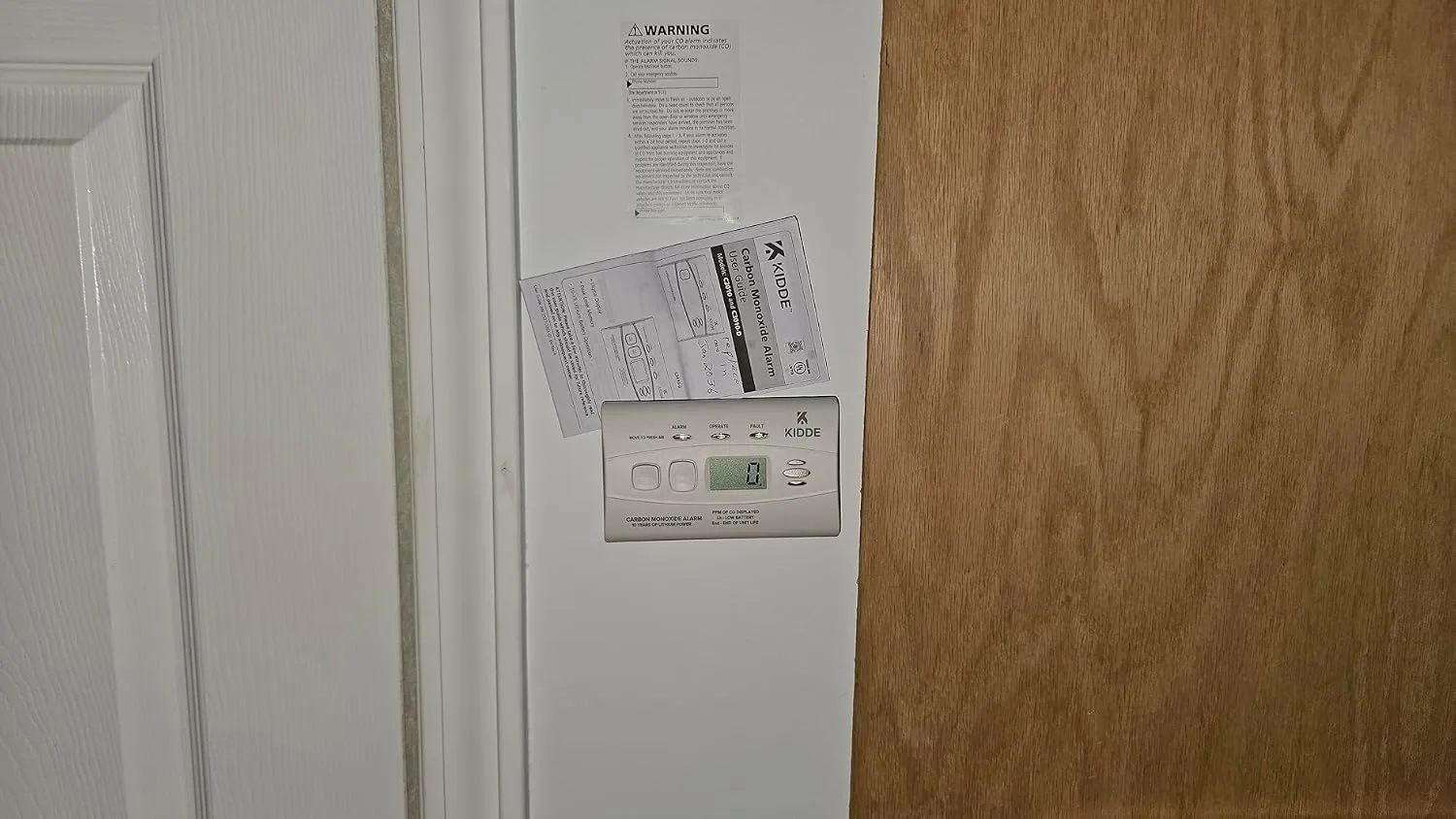
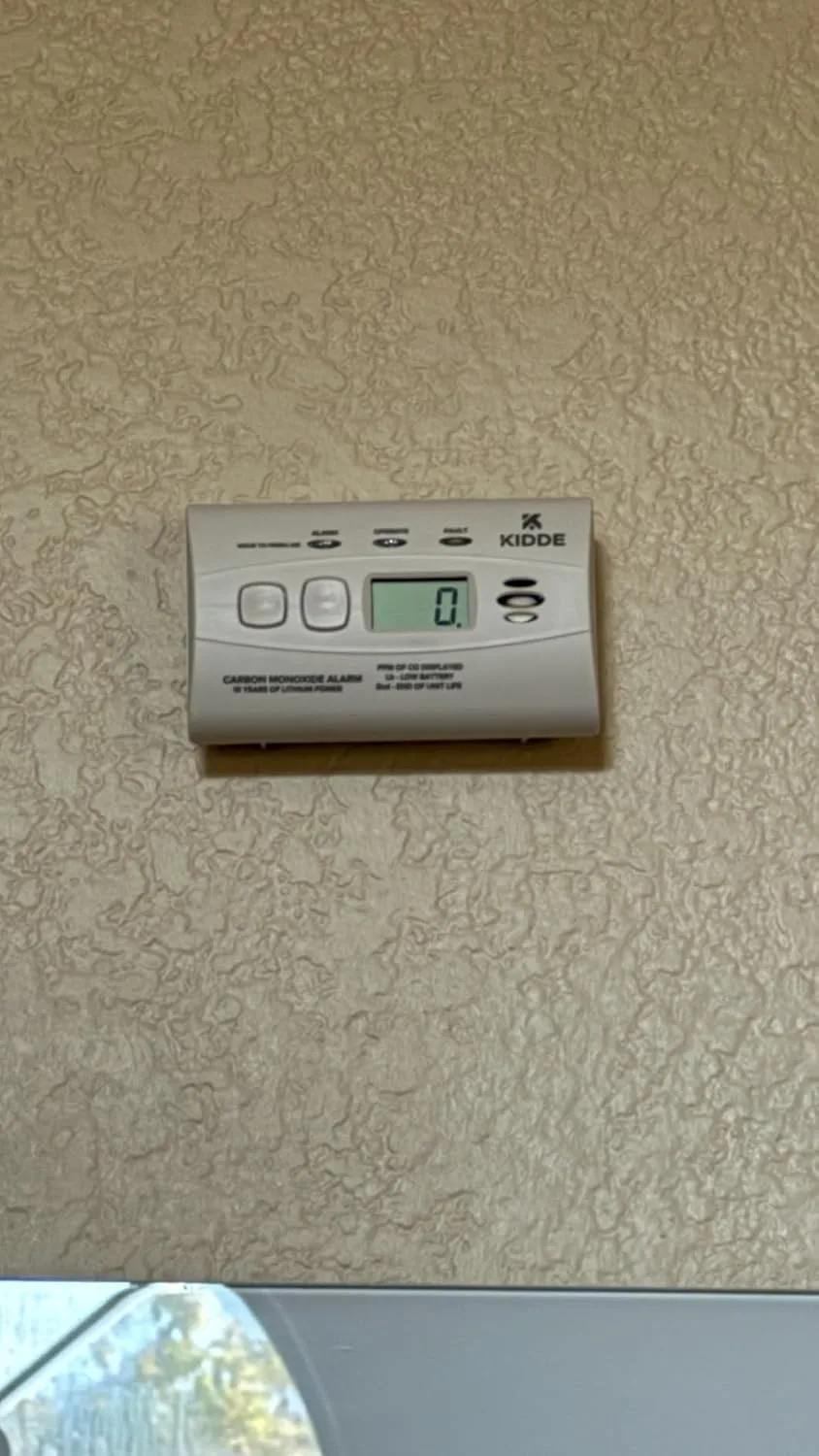
- The lit-up digital display gives you an actual PPM figure instead of a single red warning light, letting you notice a slow creep upward long before the alarm threshold is reached.
- Built-in peak memory holds onto the highest reading recorded since the last reset — giving you hard evidence of what occurred while nobody was watching, which is precisely what convinced that homeowner’s homeowner to take her concerns seriously.
Where it falls short
- Battery-run units still depend on you remembering to check and swap batteries on schedule — a plug-in unit sidesteps that risk altogether.
- A digital readout only does its job if someone actually looks at it; plenty of homeowners mount these and forget they exist until something feels off.
I was skeptical that a $40 detector could solve what six weeks of doctor visits couldn’t — but when she texted me a photo of the peak memory reading (47 PPM) that had accumulated during her morning routine, everything changed. That’s when we knew it was the furnace, not her stress. Kidde Carbon Monoxide Detector, 10-Year Battery Powered, Digital Backlit Display, COBD10
About This Article

Written by Dana Sorensen. Homeowner turned building-science obsessive. I help other homeowners understand attic insulation, ventilation, and air quality so they can stay comfortable year-round without overspending on energy bills. More about this site.
Scope and limits. Dana is a homeowner who studies building science, not an HVAC contractor or licensed tradesperson. Anything involving combustion appliances, gas lines, or electrical work belongs with a licensed contractor.
Verify this against a primary source
Specifics change, and your situation may differ from the one described here. These are the authorities worth checking directly:
- ENERGY STAR — recommended insulation R-values by climate zone
- U.S. Department of Energy — air sealing and insulation guidance
- EPA Indoor Air Quality — ventilation and indoor air quality standards