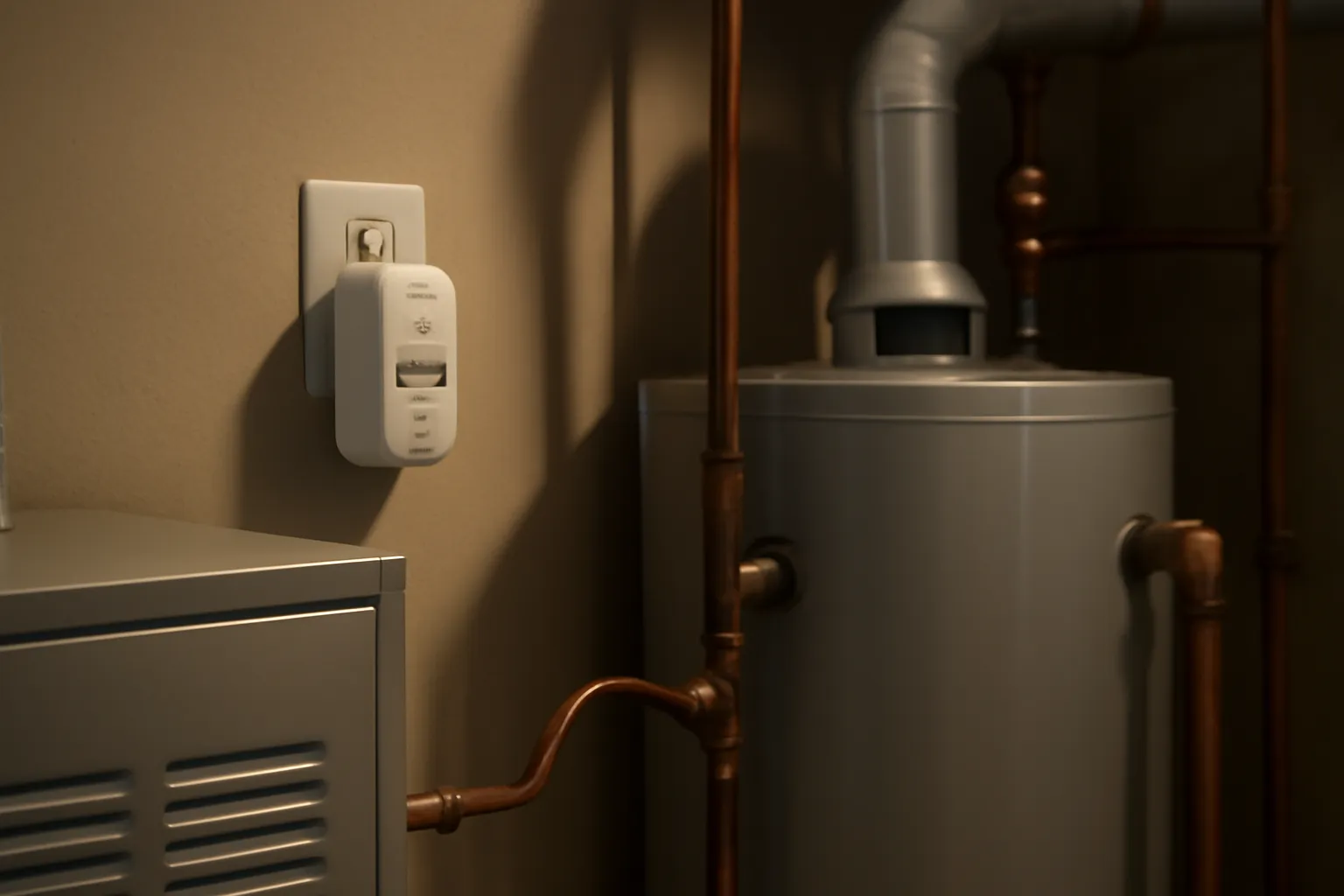
There’s a photo still sitting in my phone’s camera roll that I pull up every time a homeowner insists their carbon monoxide detector “would have caught it.” It’s a cracked brass fitting on a gas line tucked behind a water heater, my combustible gas analyzer’s readout glowing right next to it, and — just out of frame on the wall — a CO detector that had been mounted there, working perfectly, for six years without a single chirp. I took that photo last winter at a house where the owner had called me about a vague “furnace smell.” She trusted that six-year-old detector completely; it had never gone off, so in her mind, nothing could be wrong. What my meter found instead was methane bleeding steadily into her utility room from that cracked fitting — and the detector on her wall stayed dead silent the entire time. It hadn’t failed. It was performing its one and only job flawlessly, and sniffing out a natural gas leak has simply never been part of that job description. This mix-up is one of the more dangerous misunderstandings I run into on service calls: people assume a single device is standing guard against two very different hazards. It isn’t, and it’s not even close. If you’ve caught yourself wondering about the real natural gas leak detector vs carbon monoxide detector distinction, or if you’ve been operating under the assumption that one gadget has you covered on both fronts, keep reading. I want to walk through the actual science separating these two devices, tell you what I put in my own customers’ homes, and show you the right way to close this gap for good.
Why a CO Detector and a Gas Leak Detector Aren’t Interchangeable
Let’s settle this outright, because it matters more than almost anything else I cover with clients: carbon monoxide and natural gas are chemically distinct substances, and each one needs its own dedicated sensor technology to be detected. A carbon monoxide alarm will not — under any circumstance — pick up on a natural gas leak. Ever.
Here’s the plain-language chemistry behind it. Carbon monoxide shows up as a leftover from combustion that didn’t burn cleanly — think a fractured heat exchanger, a burner that’s out of tune, or a flue that’s pushing exhaust back into the house instead of outside. Those are all CO-generating situations. The sensors inside a CO alarm are electrochemical, built to respond only to CO molecules, and per UL 2034 standards they’re set to sound off once concentrations hit 70 PPM and stay there for somewhere between 60 and 240 minutes. These sensors do their one job with real precision. But methane and propane? Physically invisible to them.
Natural gas — mostly methane — and propane sit on the other side of the equation entirely: they’re the fuel waiting to combust, not a byproduct of combustion that’s already happened. A burner that’s leaking gas without being lit, a fractured line running through your basement, a loose fitting behind the dryer — none of these situations generate any carbon monoxide whatsoever. The gas simply sits there unburned, building up in concentration. Your CO alarm has no way of registering any of it. That’s the gap that lies behind the question I get asked over and over: does a CO detector detect a natural gas leak? It doesn’t. Period.
You might push back here with, “I’d smell it — that rotten-egg odor gives it away.” What you’re actually smelling is mercaptan, a sulfur-based additive utility companies deliberately blend into naturally odorless gas so it’s detectable. It’s a smart safety measure, but it’s far from bulletproof. Here’s where I’ve watched the smell-only approach break down:
- Anosmia and reduced smell sensitivity: Roughly 1 in 8 Americans deal with some reduction in smell sensitivity, and that ratio only grows with age. I’ve stood in homes where the resident genuinely couldn’t detect mercaptan levels strong enough to sting my own eyes.
- Nose fatigue in chronic low-level leaks: A fitting weeping gas slowly over weeks lets your nose adapt and tune the smell out entirely — you simply stop registering it. That’s olfactory fatigue, a documented physical response, not a lapse in attention.
- Sleeping, illness, congestion: A congested nose can’t smell a thing, sick or asleep. Gas leaks, unfortunately, don’t pause for either.
- Small leaks below odor threshold: Slow enough leaks sometimes never build up enough mercaptan concentration to register with even a perfectly healthy sense of smell — yet they keep creeping closer to the explosive range regardless.
Methane becomes explosive in air somewhere between 5% and 15% by volume — what’s known as the Lower Explosive Limit, or LEL. Your nose is not the instrument you want telling you that you’re closing in on that 5% mark inside a closed-up space. That job belongs to actual instrumentation — proper combustible gas detectors built for home use. Grasping the methane detector vs CO detector difference isn’t some technical footnote; it’s genuinely the line between a home that’s protected and one that’s exposed.
The Device That Catches What a CO-Only Alarm Never Will
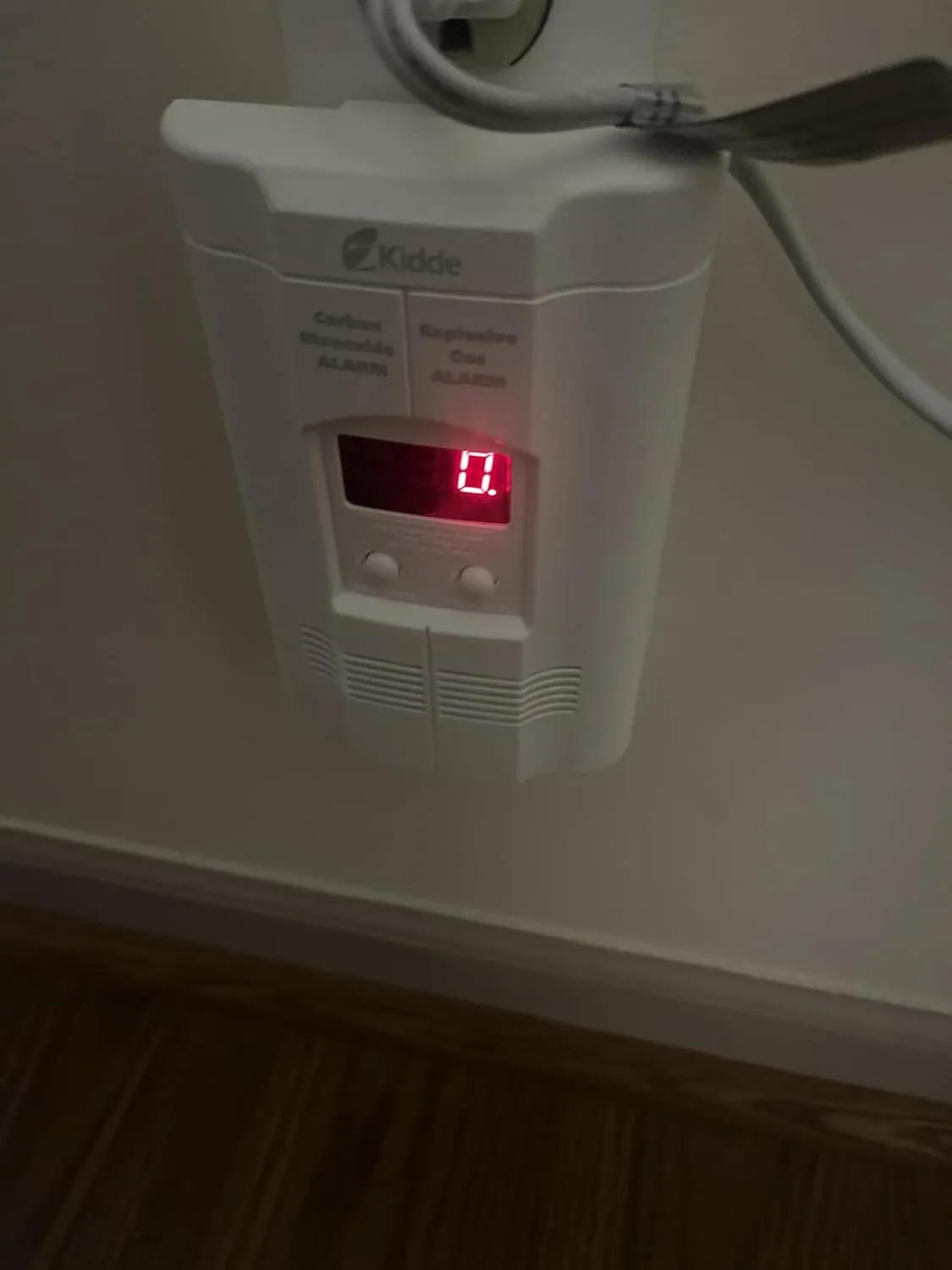
A conventional CO detector is engineered around a single mission: flagging carbon monoxide, full stop. Should natural gas, propane, or methane start leaking into your living space, that same alarm stays quiet while the gas keeps piling up. What you actually need is a unit built to cover the entire range of combustible gas dangers.
Where this detector delivers
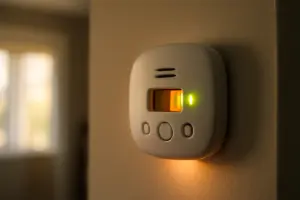
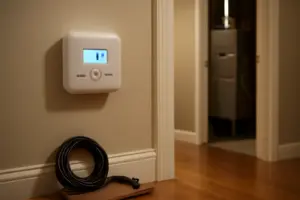
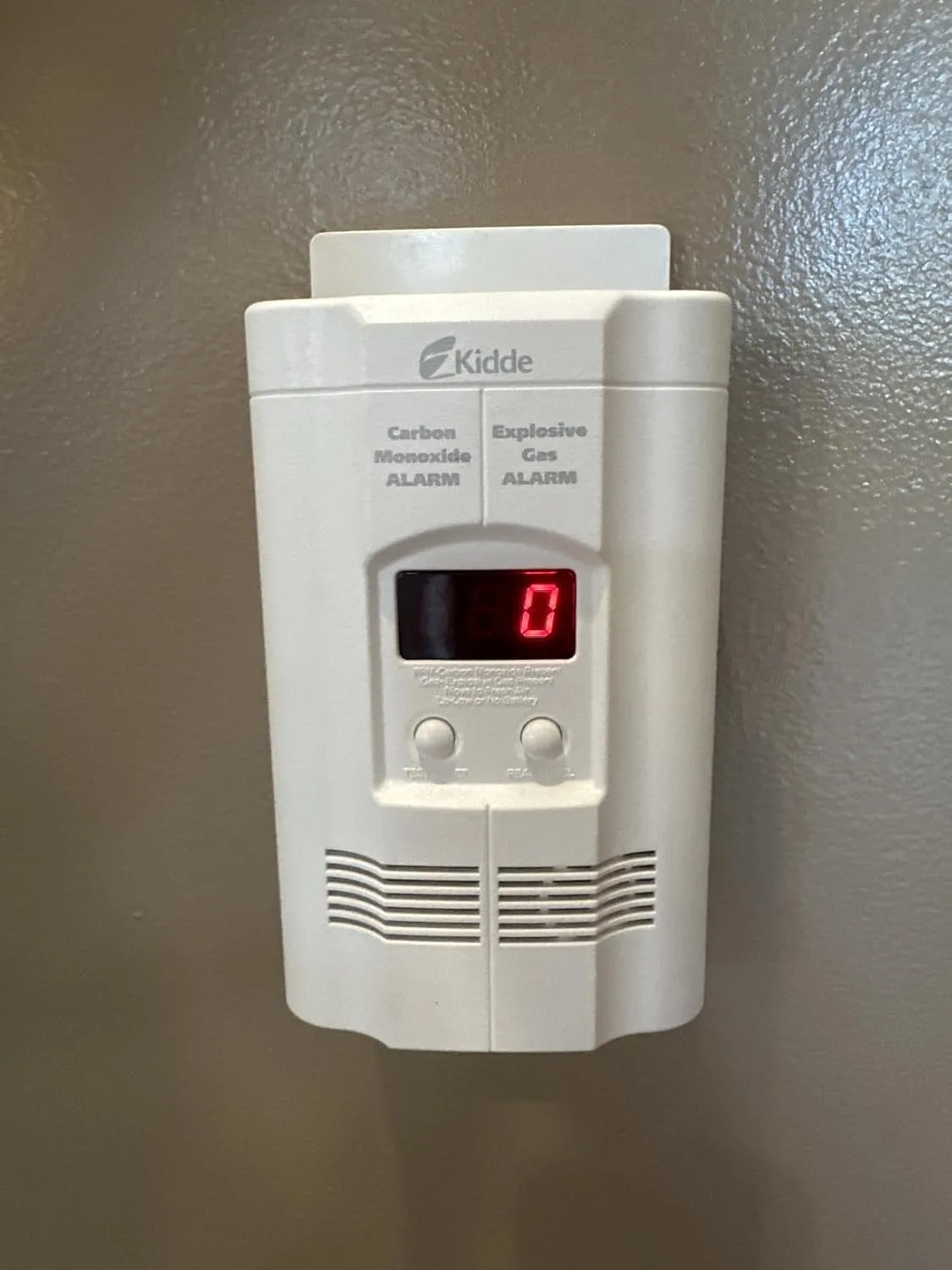
- Picks up natural gas, propane, and general explosive gas alongside CO — bundling three-in-one protection that a CO-only unit can’t touch
- A built-in digital readout lets you monitor ambient gas concentrations live, rather than sitting around waiting for the alarm to trip
- Plugs into an outlet but keeps a battery backup on hand for power outages, and its 85 dB alarm carries clearly into adjoining rooms
Where it falls short
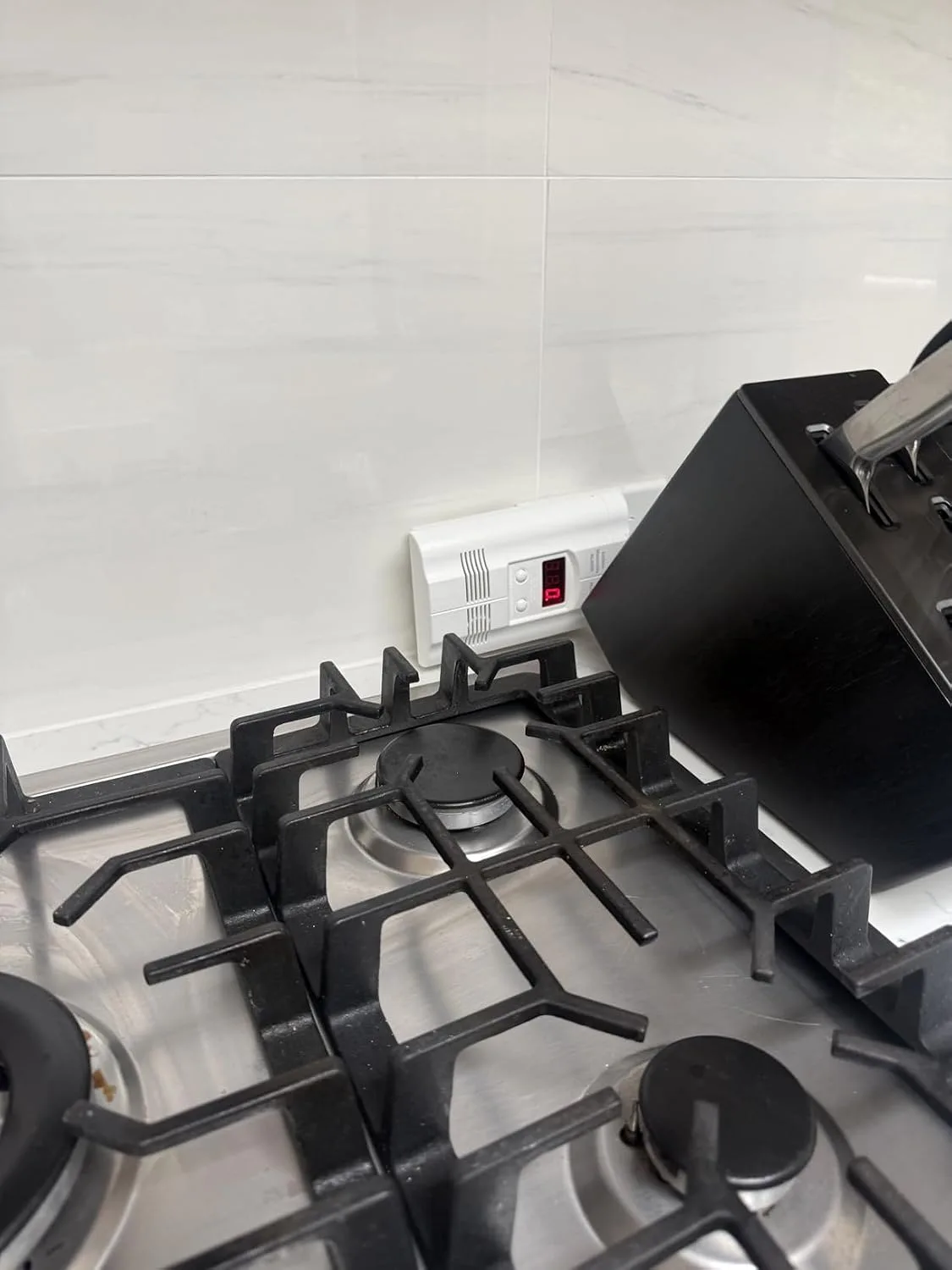
- Needs a nearby standard outlet close to your furnace or water heater, which can be a problem in utility spaces without easy power access
- Calls for periodic calibration checks and battery swaps — this isn’t the kind of install-and-forget setup a hardwired system offers
When I first switched to recommending dual-sensor detectors, I worried homeowners would see the higher price tag and stick with their old CO-only units. But after seeing how many gas leaks slip past single-purpose alarms, I realized the peace of mind is worth it. Get the Kidde Carbon Monoxide + Explosive Gas, Natural Gas & Propane Alarm, Plug-in with 9V Battery Backup, Digital Display, 85 dB Alarm, LED Status Indicators, 3rd Edition and actually cover all your bases.
About This Article

Written by Dana Sorensen. Homeowner turned building-science obsessive. I help other homeowners understand attic insulation, ventilation, and air quality so they can stay comfortable year-round without overspending on energy bills. More about this site.
Scope and limits. Dana is a homeowner who studies building science, not an HVAC contractor or licensed tradesperson. Anything involving combustion appliances, gas lines, or electrical work belongs with a licensed contractor.
Verify this against a primary source
Specifics change, and your situation may differ from the one described here. These are the authorities worth checking directly:
- ENERGY STAR — recommended insulation R-values by climate zone
- U.S. Department of Energy — air sealing and insulation guidance
- EPA Indoor Air Quality — ventilation and indoor air quality standards