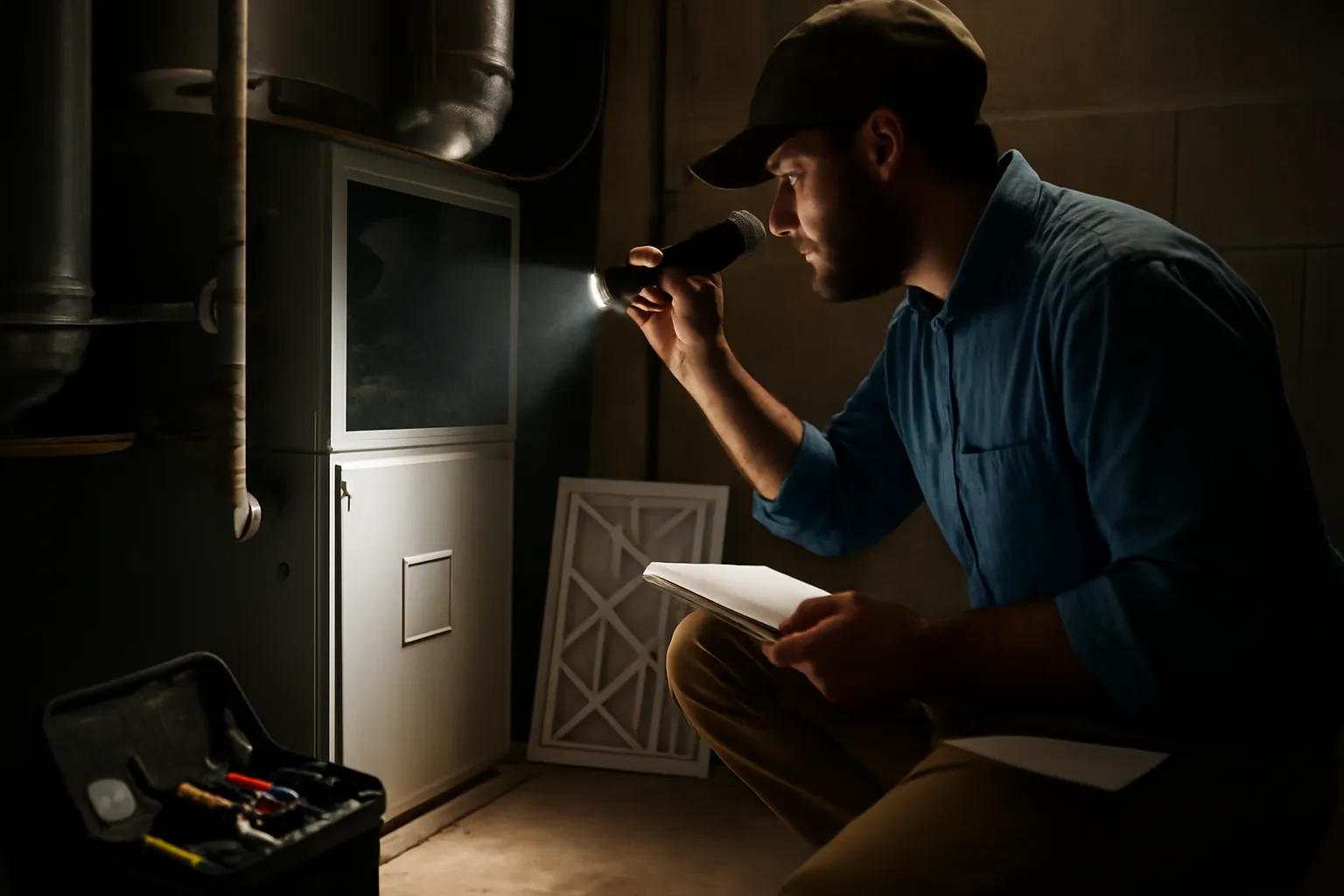
Here’s the blunt truth: a maintenance visit that skips the one part actually causing your problem isn’t maintenance at all — it’s a wasted afternoon and a bill you shouldn’t have paid. That’s exactly what a homeowner learned last October when her furnace quit overnight, right as outdoor lows sank into the 30s, just six weeks after she’d forked over $189 for a “tune-up” from a local outfit. When I finally got the furnace panel open, the flame sensor was so caked in oxidation it might as well have never been serviced at all. A few passes with fine-grit emery cloth and the unit fired right back up — a five-minute fix. She was livid, and rightly so, because that’s precisely the kind of thing a paid tune-up is supposed to catch. When I pressed her on what the previous technician had actually done during that visit, she said he’d spent most of his time walking her room to room, flagging things that “could turn into issues” — capped off with a pitch for a $400 UV light add-on. Sound familiar? After more than two decades doing this work, here’s what I’ve noticed: homeowners tend to fall into one of two camps — they ignore HVAC upkeep entirely until something breaks, or they pay premium rates for what’s really a sales call wearing a service uniform. Neither path does your equipment, your budget, or your family’s comfort and safety any favors. What actually helps is a straightforward, no-nonsense annual HVAC maintenance checklist homeowners can rely on — one that draws a clear line between what you can handle yourself and what genuinely needs a licensed pro.
What’s Really Behind Failed HVAC Maintenance
Let’s dig into some straightforward building science first, because knowing why HVAC systems break down tells you which maintenance tasks are actually worth your time.
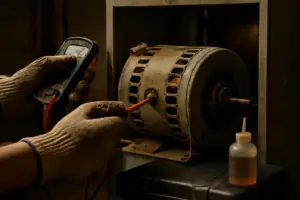
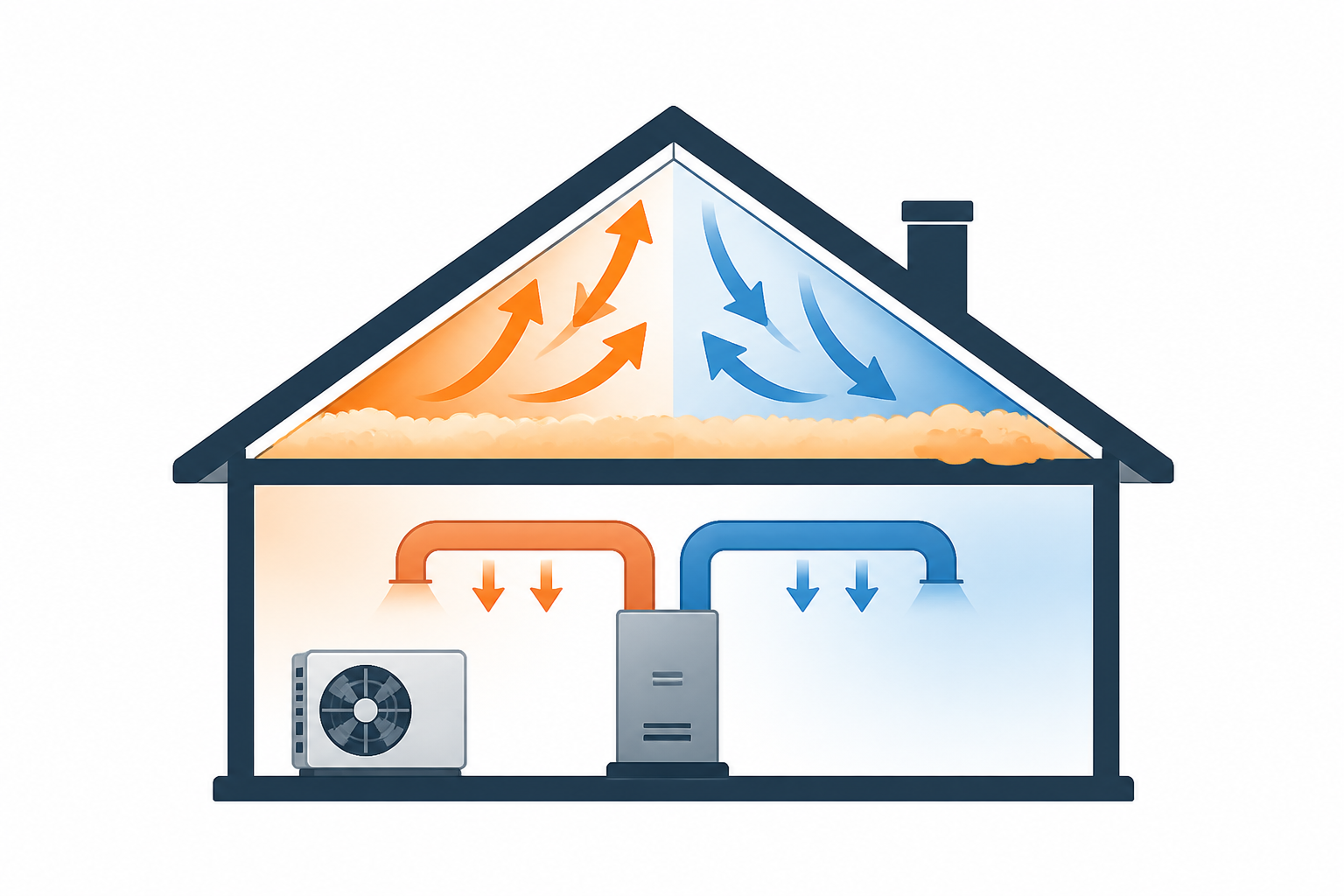
At its core, your HVAC system just moves heat from one place to another. During summer, it’s extracting warmth from indoors and dumping it outside. In winter, it’s either producing heat or, if you’ve got a heat pump, pulling it from the outdoor air and delivering it inside. Every part involved in that process — motors, coils, heat exchangers, refrigerant lines, burners — wears down bit by bit as time passes. What determines whether that wear stays gradual and manageable, or turns into a sudden, expensive failure, comes down to how well the system’s cared for.
What speeds up that decay more than anything else? Blocked airflow. As a filter fills with debris, the blower motor has to strain harder to push the same amount of air through the system, and static pressure climbs. On the cooling side, an evaporator coil starved of airflow because it’s dirty will start icing up — refrigerant that’s supposed to absorb heat at roughly 40°F instead keeps dropping in temperature until the whole coil freezes solid. On the heating side, restricted airflow forces a gas furnace’s heat exchanger to run hotter than it was engineered for, and over time that heat stress creates cracks. Once a heat exchanger cracks, combustion byproducts — carbon monoxide included — can leak straight into your living space. This isn’t scare-tactic exaggeration; it’s a well-documented failure path, and one basic maintenance habit goes a long way toward preventing it.
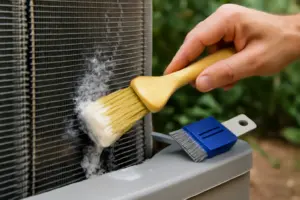
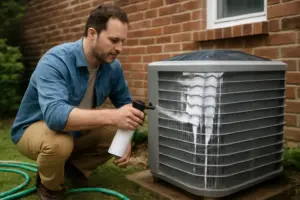
Outdoors, your condenser coil handles the equally critical job of releasing heat to the outside air. Let that coil get clogged with cottonwood fuzz, grass clippings, or simple accumulated dust, and it can lose anywhere from 15 to 30 percent of its heat-rejecting ability. That shortfall forces the compressor to operate under higher head pressure — on a standard R-410A system, the high-side pressure that should read somewhere between 200 and 250 psi on a 90°F day can spike past 300 psi once the coil’s fouled. Elevated head pressure means the compressor runs hotter, pulls more amps, and burns out sooner. Swapping a failed compressor runs $800 to $2,500. Hosing off the coil in spring takes maybe 20 minutes and costs you nothing.
Then there’s the condensate drain, which almost everyone forgets about. During cooling season, your air handler is wringing somewhere between 2 and 5 gallons of moisture out of the air daily, and that water has to travel through a drain pan and out a PVC line. Sooner or later that line grows an algae clog — dark, damp PVC is basically an algae incubator — and once it does, water starts backing up into the pan. Newer systems typically have a float switch that cuts the system off before the pan spills over, though plenty of older setups don’t. I’ve walked into homes with waterlogged air handlers, ruined insulation, and moldy ductwork, all traceable to a clogged condensate line that a cup of white vinegar, poured twice a year, would have prevented entirely.
This is the groundwork behind any real seasonal HVAC maintenance schedule: know what’s actually wearing out, understand why it matters, and handle it before it turns into a repair invoice.
The Tool Kit That Finally Freed Me From Calling a Pro for the Basics
Cleaning a flame sensor should never carry a $189 price tag disguised as a “tune-up.” What most homeowners don’t realize is that the tools needed for this kind of basic HVAC upkeep are inexpensive and built for exactly this purpose — all it takes is grabbing the right starter kit.
Where it delivers
- The fine-grit emery cloth paired with specialized brushes strips oxidation off flame sensors and burner parts in one pass, no return trip or extra purchase needed.
- Small enough to stash in a utility drawer all year, so when your furnace acts up on a cold late-fall night, you’re not scrambling to find a fix.
- Handles the exact maintenance items HVAC companies pad into pricey tune-ups, letting you check your own system before you ever pick up the phone to call someone.
Where it falls short
- None of this substitutes for a full system inspection or refrigerant diagnostics — it’s meant for surface-level upkeep, not deep troubleshooting.
- If you’re not comfortable working with tools, you may never actually open the furnace panel, meaning the kit gathers dust while you still end up dialing a professional.
I almost skipped buying this kit years ago because I figured “real HVAC people” had their own specialized tools—but once I realized how many homeowner-level maintenance calls were actually just dirty sensors and clogged filters, I never looked back. Grab the Malco DSKRBP HVAC Starter Tool Kit, 29 Piece with Tool Backpack and keep it accessible.
About This Article

Written by Dana Sorensen. Homeowner turned building-science obsessive. I help other homeowners understand attic insulation, ventilation, and air quality so they can stay comfortable year-round without overspending on energy bills. More about this site.
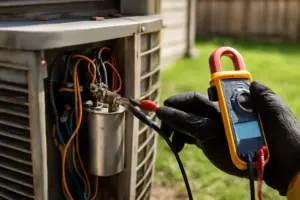
Scope and limits. Dana is a homeowner who studies building science, not an HVAC contractor or licensed tradesperson. Anything involving combustion appliances, gas lines, or electrical work belongs with a licensed contractor.
Verify this against a primary source
Specifics change, and your situation may differ from the one described here. These are the authorities worth checking directly:
- ENERGY STAR — recommended insulation R-values by climate zone
- U.S. Department of Energy — air sealing and insulation guidance
- EPA Indoor Air Quality — ventilation and indoor air quality standards