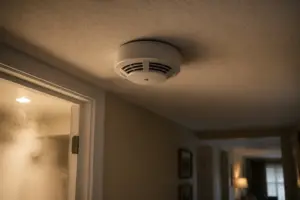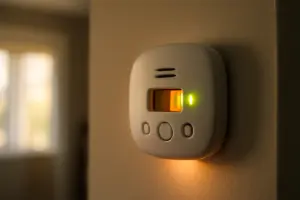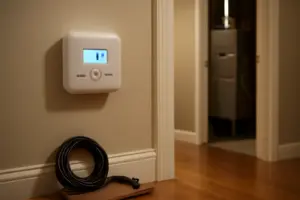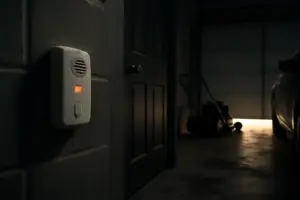
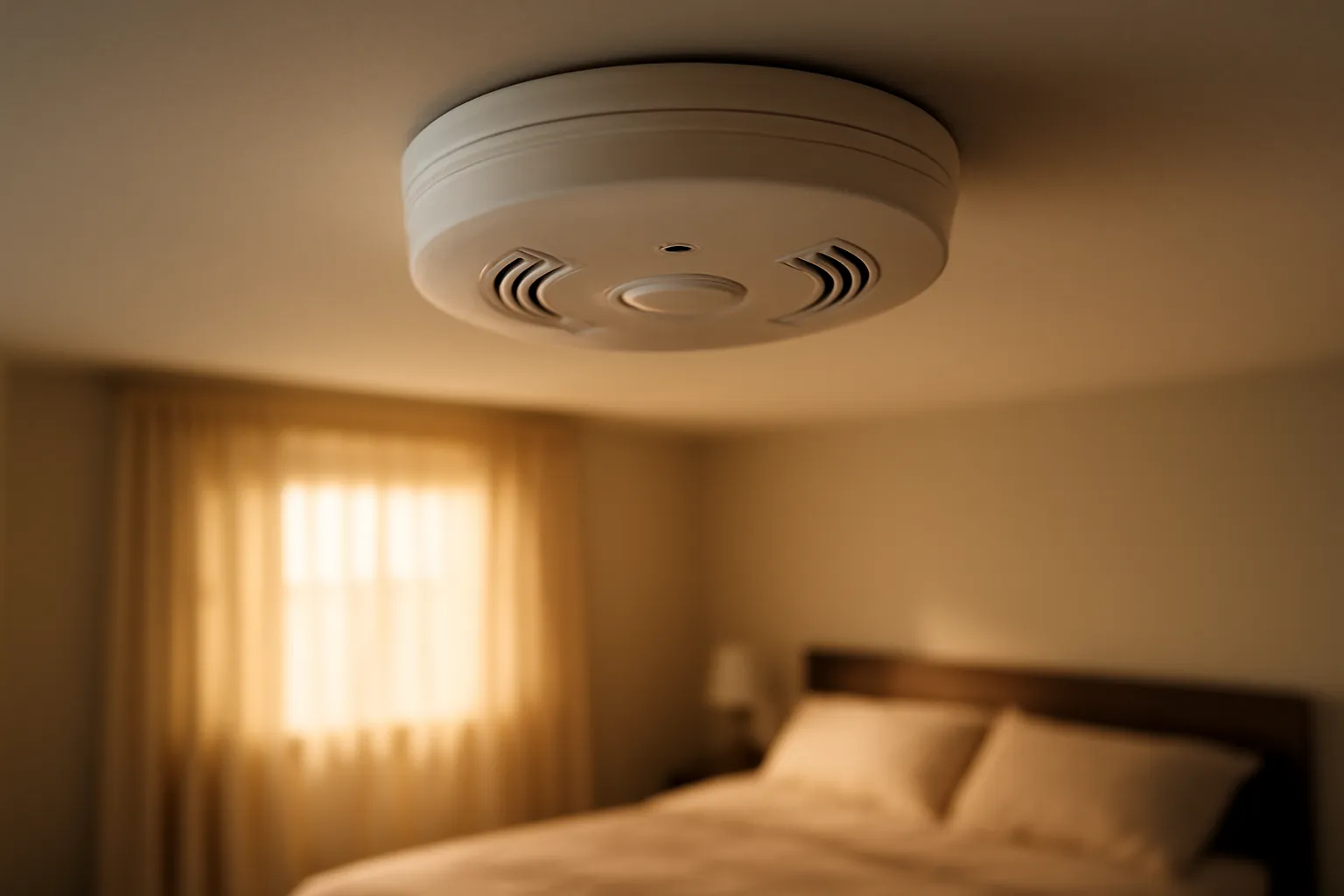
A smoke detector isn’t just a smoke detector — and believing otherwise is a mistake that quietly puts sleeping families in danger every single night. I confirmed this again last spring while running a home performance audit in a newer suburban build — the kind of tightly insulated, well-maintained house that gives off every impression of being safe. Three smoke detectors sat in the hallway and kitchen area, every one of them an ionization model, the same eight-dollar version stocked on any hardware store shelf. The homeowner admitted she’d yanked the battery from the kitchen unit because it shrieked every time she toasted bread. The hallway detector outside the master bedroom had been running dead for who knows how long. The single detector still functioning sat in the living room, a mere fifteen feet from where her children slept. Once I walked her through the photoelectric vs ionization smoke detector difference — namely that ionization units react dangerously late to the exact fire type most likely to kill a sleeping household — she fell silent. That silence said it all: nobody had ever told her this. She’d simply assumed one smoke detector was as good as another. It’s a mistake I encounter in nearly every house I enter, and it’s the one I’m setting out to correct here.
None of this is meant to scare you. It’s about recognizing a documented, real gap in how the typical home gets protected — and making one affordable, straightforward change that may outweigh nearly everything else you could do this year to keep your family safe.
The Real Problem: Why the Technology Inside Your Smoke Detector Matters So Much
Most homeowners have no idea that two entirely different technologies power residential smoke detectors, each responding to fire in opposite fashion. Picking the wrong one — or living with one that’s been silenced after too many false alarms — creates a real hole in your home’s protection.
The Mechanics Behind Ionization Detectors
Over the last forty years, the overwhelming share of smoke detectors sold across the U.S. have relied on ionization technology. Each unit contains a trace amount of Americium-241, a radioactive element. There’s no need to worry — the amount is tiny and fully sealed within metal — but understanding its function matters. This material keeps a steady stream of ionized air flowing through a small chamber between two charged plates, generating a constant low-level current. Smoke particles entering that chamber interrupt the ion flow, and the resulting drop in current sets off the alarm.
These detectors do excel at catching fast-flaming fires — a curtain igniting from a candle flame, or paper catching near a heat source. Plenty of visible flame, quick combustion, climbing heat. Ionization technology handles that fire profile with speed and reliability.
Here’s the catch: fast-flaming fires aren’t what kills most people in home fires.
Where Smoldering Fires Change Everything
A cigarette smoldering in a couch cushion, a short circuit hidden behind drywall, wiring overheating inside an outlet — these smoldering fires burn slowly, generating thick, heavy smoke particles well before any flame appears. They can smolder for hours, silently flooding a house with toxic fumes while its occupants sleep undisturbed. This slow-burn scenario accounts for the majority of fatal residential fires. And ionization detectors are famously sluggish at catching them.
The National Fire Protection Association has dug deep into this issue. Their research shows ionization alarms can lag 15 to 50 minutes behind photoelectric units when detecting smoldering fires. When a slow fire has already been building for an hour, those extra 15 minutes can separate a safe escape from a fatal outcome.
What Makes Photoelectric Detectors Work Differently
Photoelectric units rely on a completely separate detection approach. An LED light source inside the sensing chamber aims a beam at an angle that misses the photosensor entirely under normal conditions. Once smoke — especially the dense, large particles smoldering fires produce — drifts into the chamber, it scatters that beam. Some of the scattered light lands on the photosensor, and that’s what triggers the alarm.
That sensing method is essentially built for the fire type most dangerous to people asleep in their beds. Photoelectric units also ignore cooking smoke, shower steam, and airborne dust far better than ionization units do — the three biggest culprits behind nuisance alarms. Which brings us to a danger most people never notice.
If yours is going off over cooking or shower steam rather than anything dangerous, that is a different problem with a different fix — I walk through it in detail in a smoke detector that is too sensitive.
When a Working Detector Gets Silenced
According to the NFPA, roughly two out of three home fire deaths happen in houses where the smoke alarms weren’t working. And the leading cause of those non-functioning alarms is nuisance triggering — people pulling batteries or tearing detectors off the wall because normal cooking kept setting them off. Put an ionization detector near a kitchen and it’s almost destined to become an annoyance. A detector sitting there with no battery, meanwhile, protects nobody at all. This is a widespread issue rooted largely in the habit of installing ionization units in places where they simply don’t belong.
A handful of states and cities — Massachusetts, Vermont, Iowa, California, and Chicago among them — now mandate photoelectric or dual-sensor detectors under code for new builds and renovations. The evidence has been settled for years; it’s simply taking time to reach the average household.
The Photoelectric Model That Finally Ended Her False Alarms
Remember that disabled kitchen detector? It’s a textbook case of how ionization units let families down. A photoelectric detector fixes the nuisance-alarm issue that drives people to pull batteries or tune out their alarms — the very behavior that cancels out the whole purpose of having one installed.
Where it delivers
- A sealed battery rated for 10 years eliminates dead-battery failures — whether from forgetfulness or from families yanking it out of frustration.
- Its photoelectric sensor picks up smoldering fires far quicker than ionization models can, which matters most in the bedrooms and living rooms where lives are actually at stake.
- A Test & Silence button lets you confirm it’s working without setting off a full alarm — so people actually bother testing it instead of dreading the noise.
Where it falls short
- It costs more upfront than the $8 ionization models, which is exactly why so many people still default to the cheaper option and inherit a false-alarm headache.
- Once the sealed battery finally dies after 10 years, you’re replacing the whole unit rather than just a battery — which can feel wasteful until you consider what it’s actually been protecting.
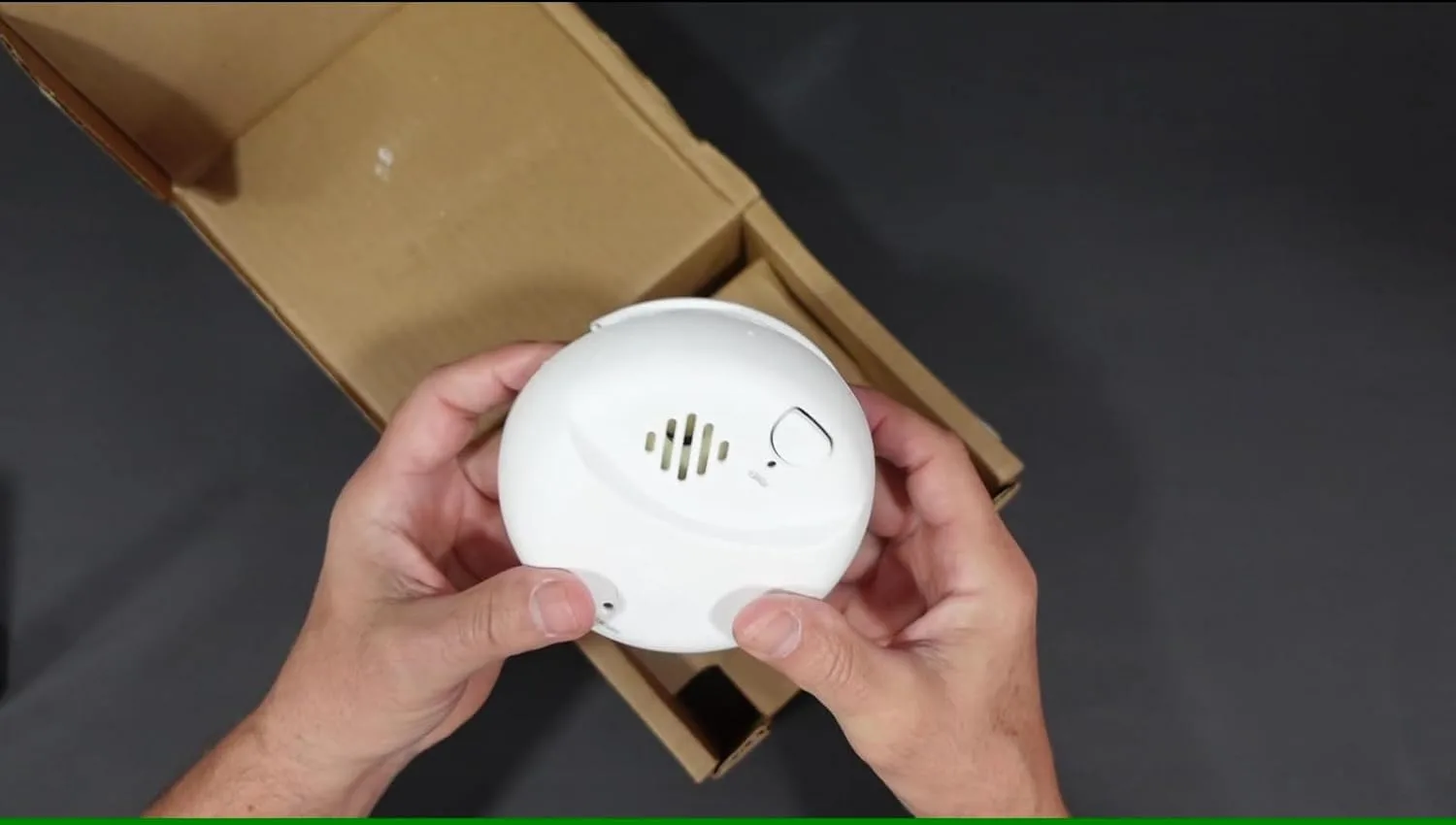
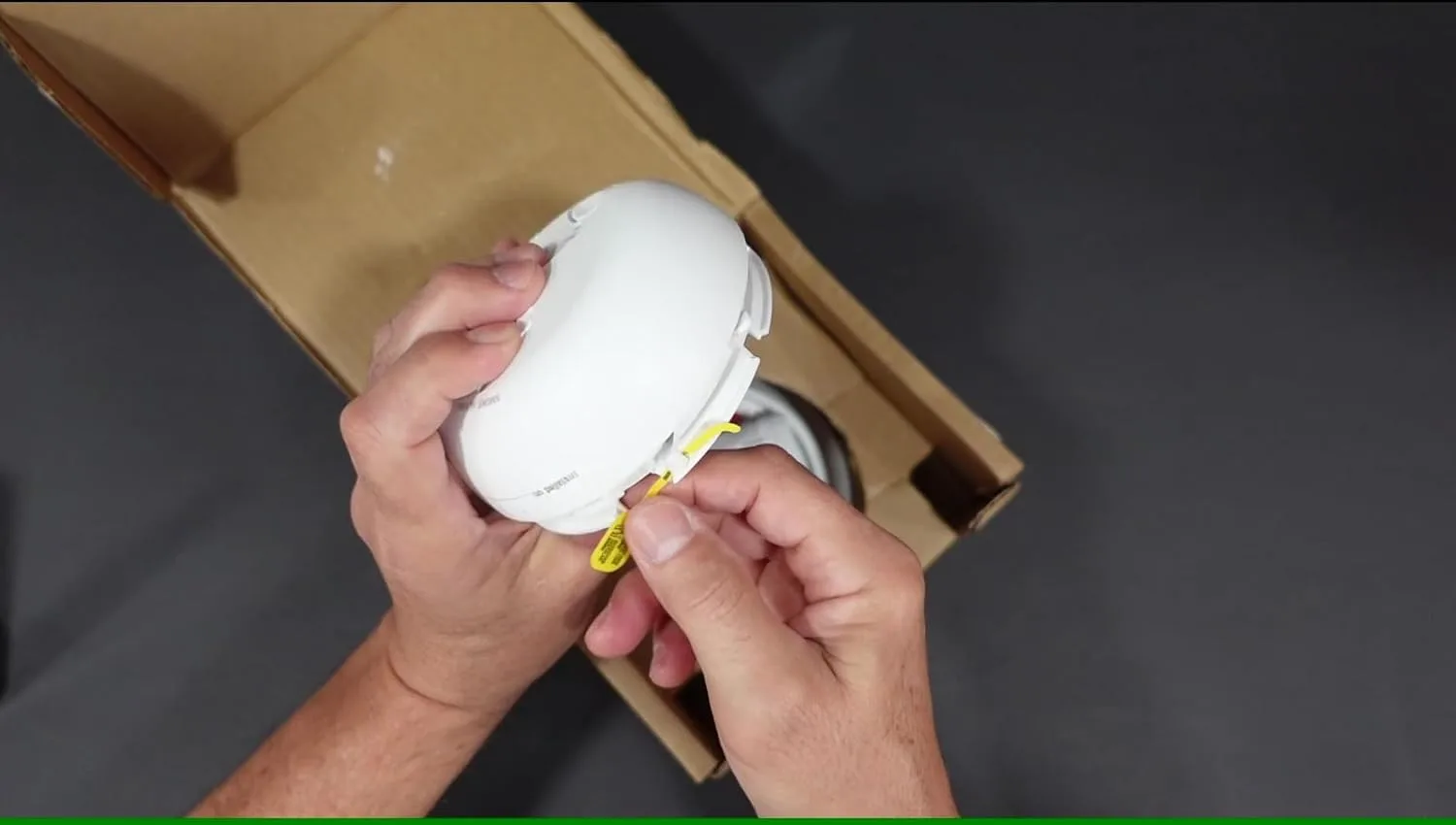
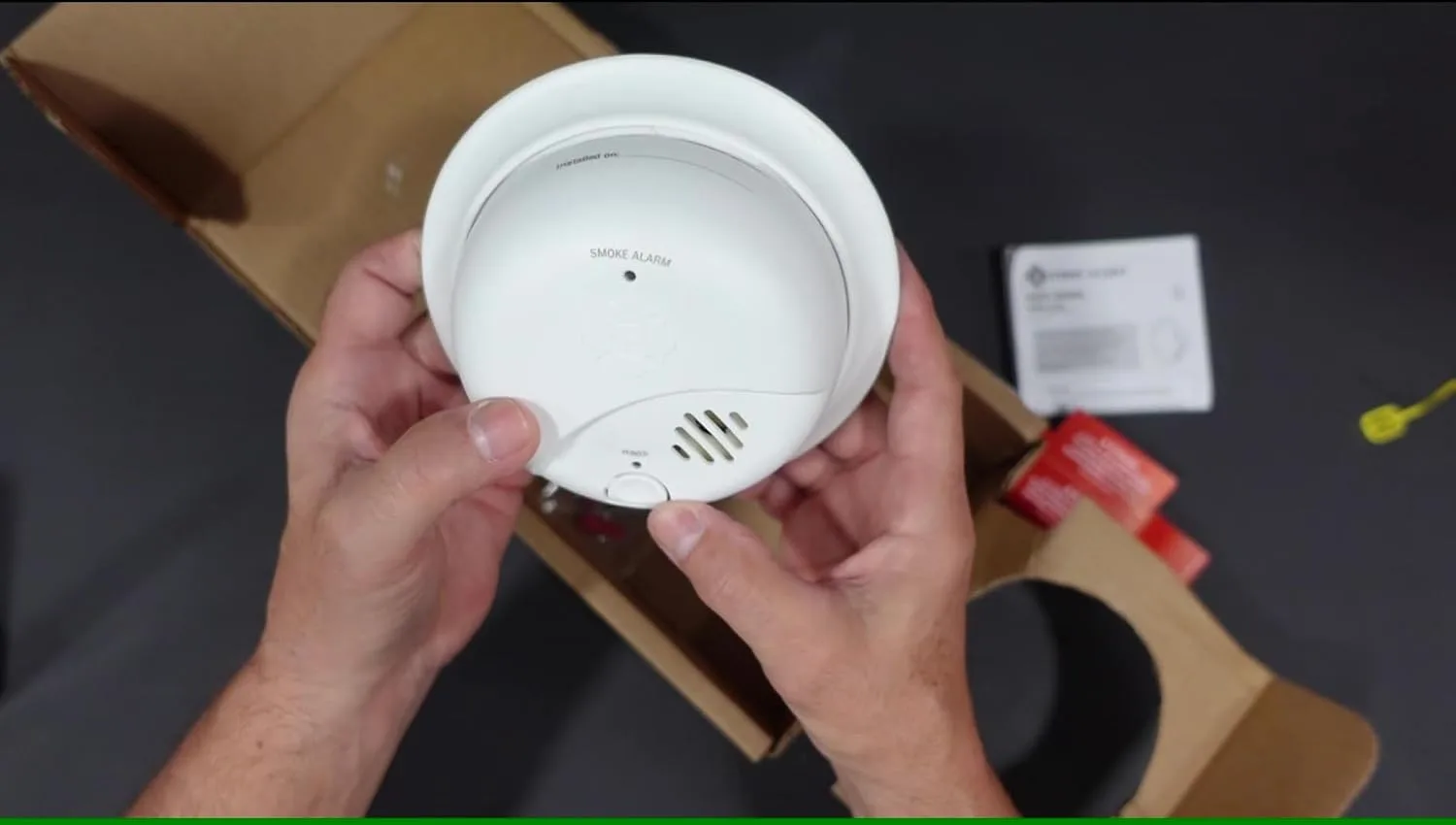
I’ll admit, the first time I recommended this over a cheaper dual-sensor model, I worried the homeowner would balk at the price and just buy another hardware-store special anyway. But when I explained that a working detector in the hallway is only useful if it actually stays plugged in and armed, the choice became obvious. Get the First Alert Smoke Alarm, 10-Year Sealed Battery Detector with Test & Silence Button (SMI110).
About This Article

Written by Dana Sorensen. Homeowner turned building-science obsessive. I help other homeowners understand attic insulation, ventilation, and air quality so they can stay comfortable year-round without overspending on energy bills. More about this site.
Scope and limits. Dana is a homeowner who studies building science, not an HVAC contractor or licensed tradesperson. Anything involving combustion appliances, gas lines, or electrical work belongs with a licensed contractor.
Verify this against a primary source
Specifics change, and your situation may differ from the one described here. These are the authorities worth checking directly:
- ENERGY STAR — recommended insulation R-values by climate zone
- U.S. Department of Energy — air sealing and insulation guidance
- EPA Indoor Air Quality — ventilation and indoor air quality standards