Late one February afternoon, I was down in my own basement doing the same furnace tune-up I run on my own system every year — nothing on my personal checklist hinted that anything was wrong. My wife mentioned, almost in passing, that the kids had been dragging all winter — headaches some mornings, tired even after a full night’s sleep. We blamed the dry indoor air, maybe a lingering bug going around the house. Then I pulled out my combustion analyzer and opened up my own heat exchanger, and there it was: a crack running nearly the full width of the primary section. Every single time that furnace fired, carbon monoxide was bleeding straight into the living space my own family breathes. I checked the detector plugged into our hallway outlet — a $14 unit I’d had for at least six years — and it was sitting there with a steady green light. No alarm. No warning. Nothing. What I hadn’t stopped to consider, and what most homeowners never do, is that a detector at that price point is almost certainly built around a metal oxide semiconductor sensor — the least reliable of the three sensor technologies used in residential CO alarms. Mine had probably been feeding me a false “all clear” for years. Understanding how carbon monoxide detectors work and the sensor types behind them isn’t some dry technical footnote — it’s the difference between a detector that actually earns its place on your wall and one that hands you false confidence while a silent killer builds up around you. Here’s how I break it down for the homeowners I work with now.
Why Not All CO Sensors Are Built Alike: Three Technologies, Three Tiers of Protection
Most people treat every CO detector as interchangeable. Plug it in, wait for the green light, consider yourself covered. That assumption is exactly what a $14 price tag is banking on. In reality, residential carbon monoxide alarms rely on three fundamentally different sensor technologies, and they are nowhere near equivalent to one another. Not even in the same ballpark.
Electrochemical Sensors: The Benchmark for Accuracy
An electrochemical CO sensor draws carbon monoxide across a chemical cell, sparking an electrochemical reaction that produces an electrical current — and the strength of that current tracks directly with how much CO is present. This is the same core technology found in professional gas-detection tools, first responder equipment, and home safety monitors, and that’s not a coincidence. Of the three sensor types, electrochemical is the most precise, picking up CO concentrations as low as 5 to 10 parts per million (PPM). It responds in seconds rather than minutes, holds up for a solid 5 to 7 years of service, and rarely misfires because it’s chemically tuned to CO specifically rather than reacting to whatever else is in the air. The tradeoffs are cost — typically $30 to $80 — and some vulnerability to extreme humidity. For a home, those are tradeoffs worth making without hesitation. This is the sensor technology you want protecting your family, period.
Metal Oxide Semiconductor (MOS) Sensors: Cheap Parts, Compromised Performance
Metal oxide semiconductor sensors — you’ll also hear them called MOS or tin dioxide sensors — operate by heating a tin dioxide element. Once CO contacts that heated surface, the element’s electrical resistance shifts, and the detector interprets that shift as a CO event. Manufacturing these is cheap, which explains why they populate nearly every budget detector on store shelves. The performance gap, though, is real. MOS sensors trail electrochemical ones in accuracy, react more sluggishly, and — this is the critical part — they respond to gases that have nothing to do with carbon monoxide. Hydrogen, alcohol fumes, even aerosol spray can set one off. They also pull more continuous power because that heating element never really stops working. Put one of these in a home, and it might sail past low-level CO exposure entirely, or only trigger once concentrations have already climbed into dangerous territory.
Biomimetic Sensors: The Technology to Steer Clear Of
Biomimetic sensors rely on a gel pad that shifts color when CO touches it — essentially mimicking how hemoglobin in your bloodstream binds to carbon monoxide. Because the sensing element itself needs no power, this design ends up in some of the cheapest detector cards and bare-bones stand-alone alarms sold. But the actual performance is weak across the board. It’s the slowest to respond of all three sensor types, and the least accurate. The gel itself breaks down with age and shifts with temperature and humidity swings. You’ll find these buried inside the bottom-shelf alarm products on the market. I wouldn’t stake a family’s safety on a biomimetic sensor as anyone’s primary line of CO defense.
The Gap in UL 2034 Certification Every Homeowner Should Understand
This is where the safety-standards picture gets murkier. Every residential CO alarm sold in the U.S. has to carry UL 2034 certification. Sounds like a solid guarantee — right up until you actually read what the standard demands. UL 2034 only requires an alarm to sound once levels hit 70 PPM and stay there for 60 to 240 minutes. That threshold is far too generous. Headaches, dizziness, nausea — the early markers of CO poisoning — can start showing up at concentrations as low as 35 PPM with sustained exposure, and some people react at even lower levels than that. A quality electrochemical unit tuned for low-level detection can sound the alarm at 10 to 25 PPM, right when action still makes a difference. A detector that technically passes UL 2034 while running a sluggish semiconductor sensor might stay silent until you’re already feeling real symptoms. Meeting the standard and actually protecting you are two separate things.
A Detector That Sounds Off When It Counts — Not Just When the Battery’s Dying
Most households lean on a single CO detector, usually stashed in a bedroom or hallway where it’s easy to forget it’s even there. But a unit with a dying battery, a weak alarm tone, or a screen you can’t make out in the dark is barely better than having nothing mounted on the wall at all.
Where it earns its keep
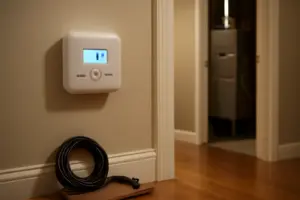
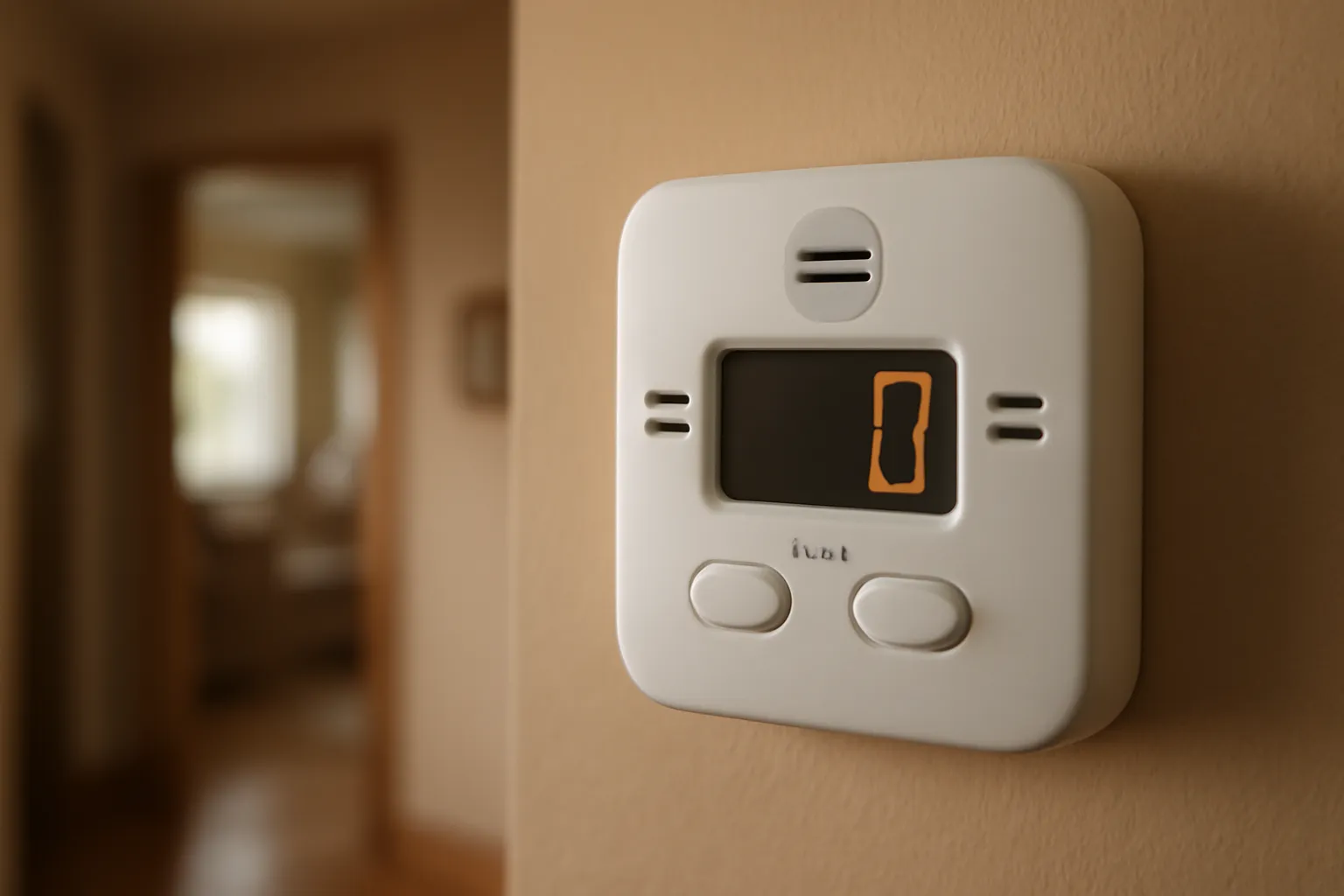
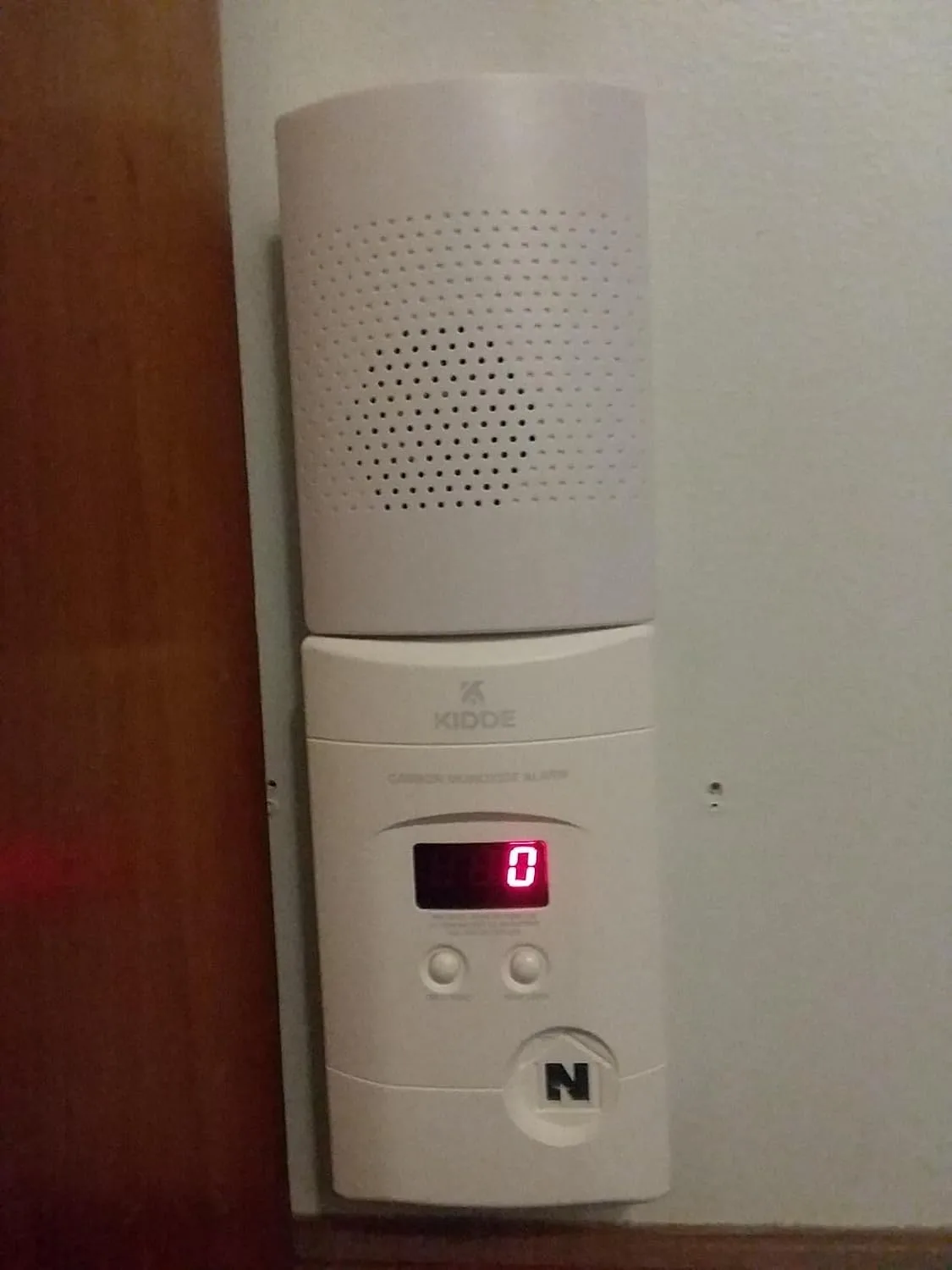
- A backlit digital readout displays CO levels in real time, so you’re never left guessing or waiting on a chirp to tell you something’s wrong
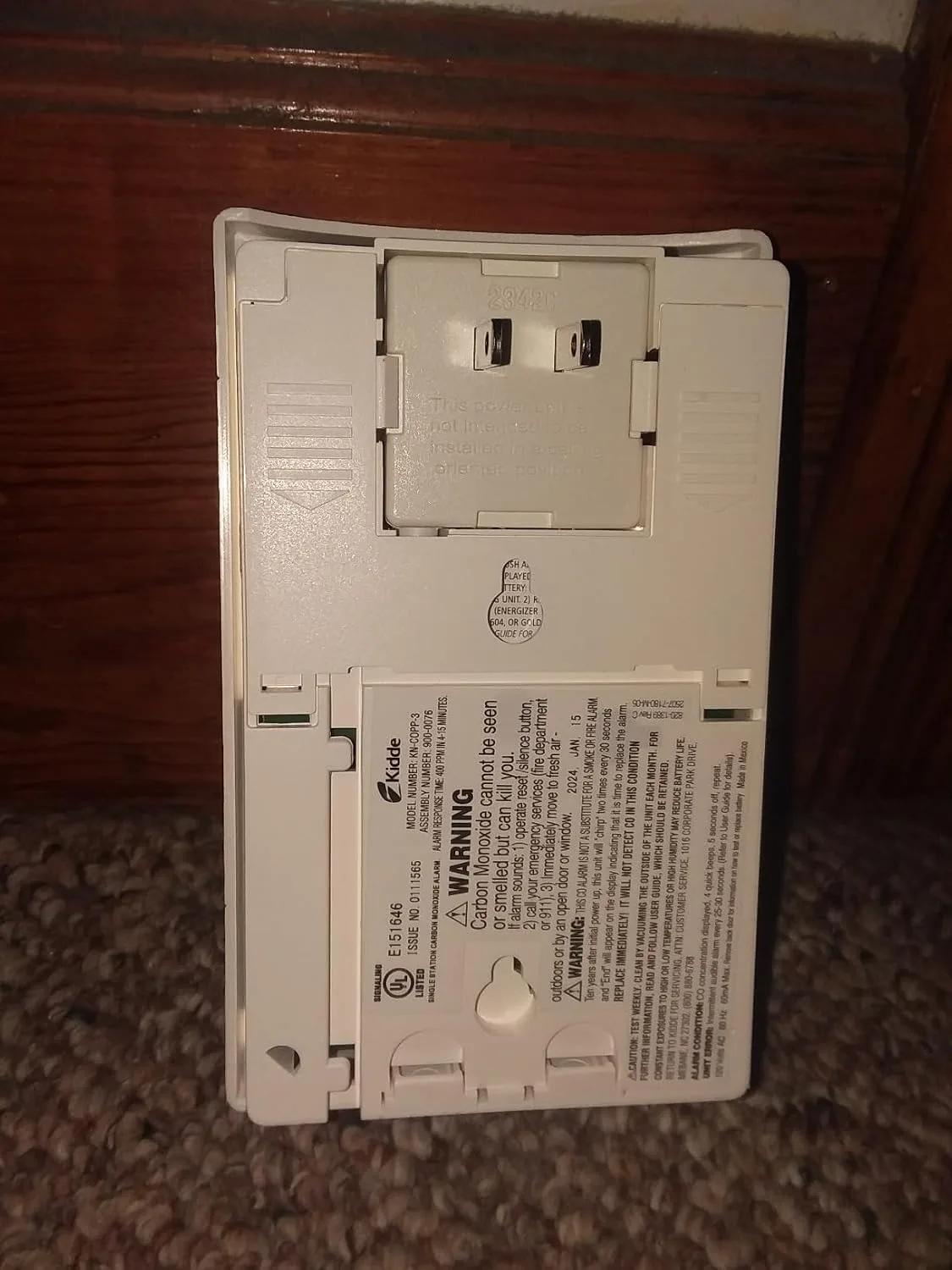
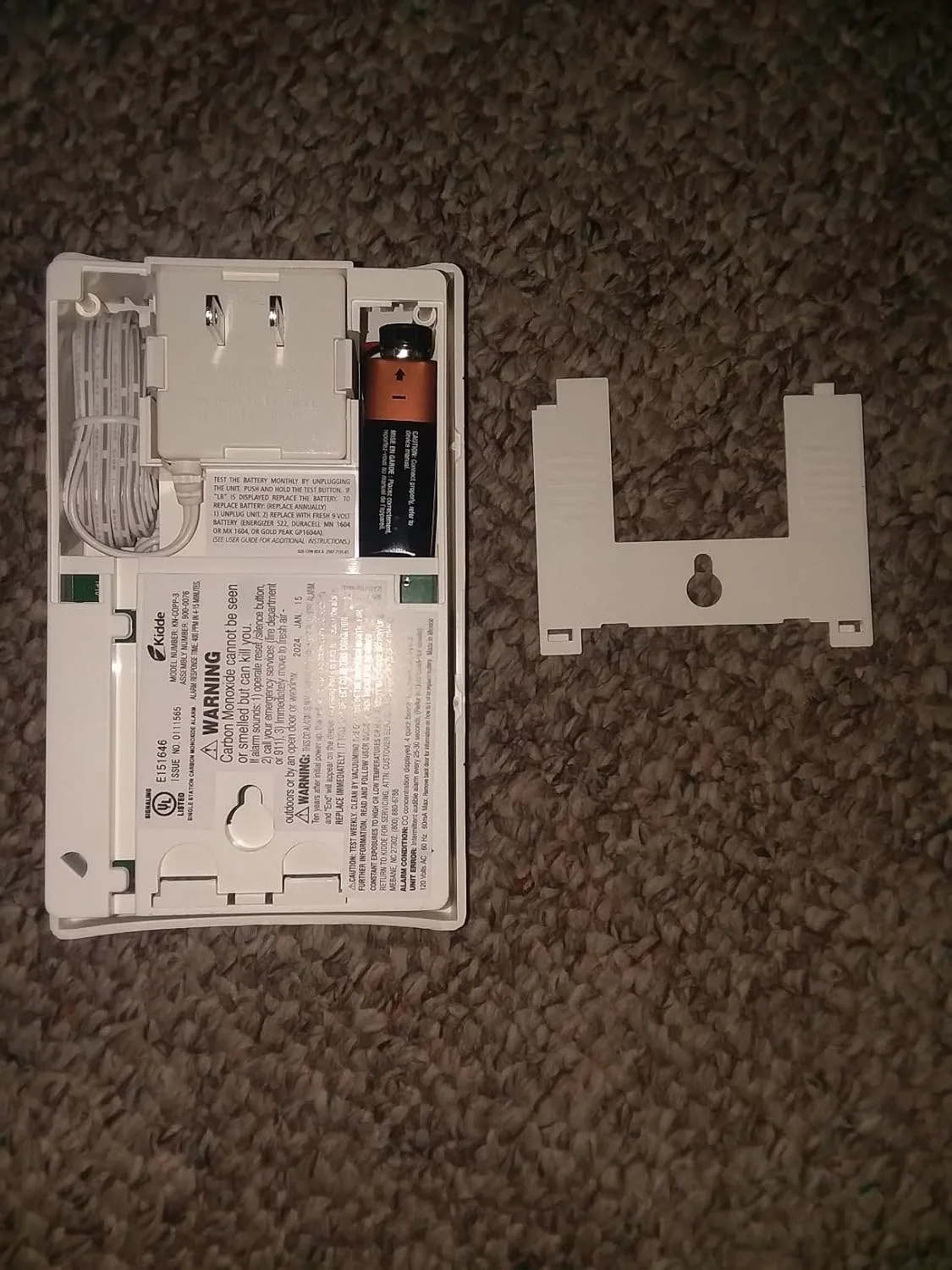
- Dual power — a plug-in connection plus AA battery backup — keeps it functioning straight through a power outage, which is exactly when a heating system tends to be working overtime
- An 85 dB alarm punches through sleep and background noise — I’ve run tests in houses with white noise machines running, and it still jolted people awake
Where it falls short
- Outlet placement matters far more than most homeowners give it credit for — tuck it behind a piece of furniture and you’ve defeated the whole purpose
- It still needs a battery check twice a year, same as any smoke alarm, and that’s a step plenty of people never get around to
I’ll admit I hesitated on recommending plug-in models at first — I worried the rotating plug design would feel clunky in older outlets — but after installing a dozen of these and checking back six months later, the reliability and the peace of mind have proven out. Get the Kidde Carbon Monoxide Detector, Plug-in with AA Battery Backup, Easy-to-Read Digital Backlit Display, 85 dB Alarm, Rotating Plug, LED Status Light Indicators, 5th Edition and place it where you’ll actually see the display.
About This Article

Written by Dana Sorensen. Homeowner turned building-science obsessive. I help other homeowners understand attic insulation, ventilation, and air quality so they can stay comfortable year-round without overspending on energy bills. More about this site.
Scope and limits. Dana is a homeowner who studies building science, not an HVAC contractor or licensed tradesperson. Anything involving combustion appliances, gas lines, or electrical work belongs with a licensed contractor.
Verify this against a primary source
Specifics change, and your situation may differ from the one described here. These are the authorities worth checking directly:
- ENERGY STAR — recommended insulation R-values by climate zone
- U.S. Department of Energy — air sealing and insulation guidance
- EPA Indoor Air Quality — ventilation and indoor air quality standards