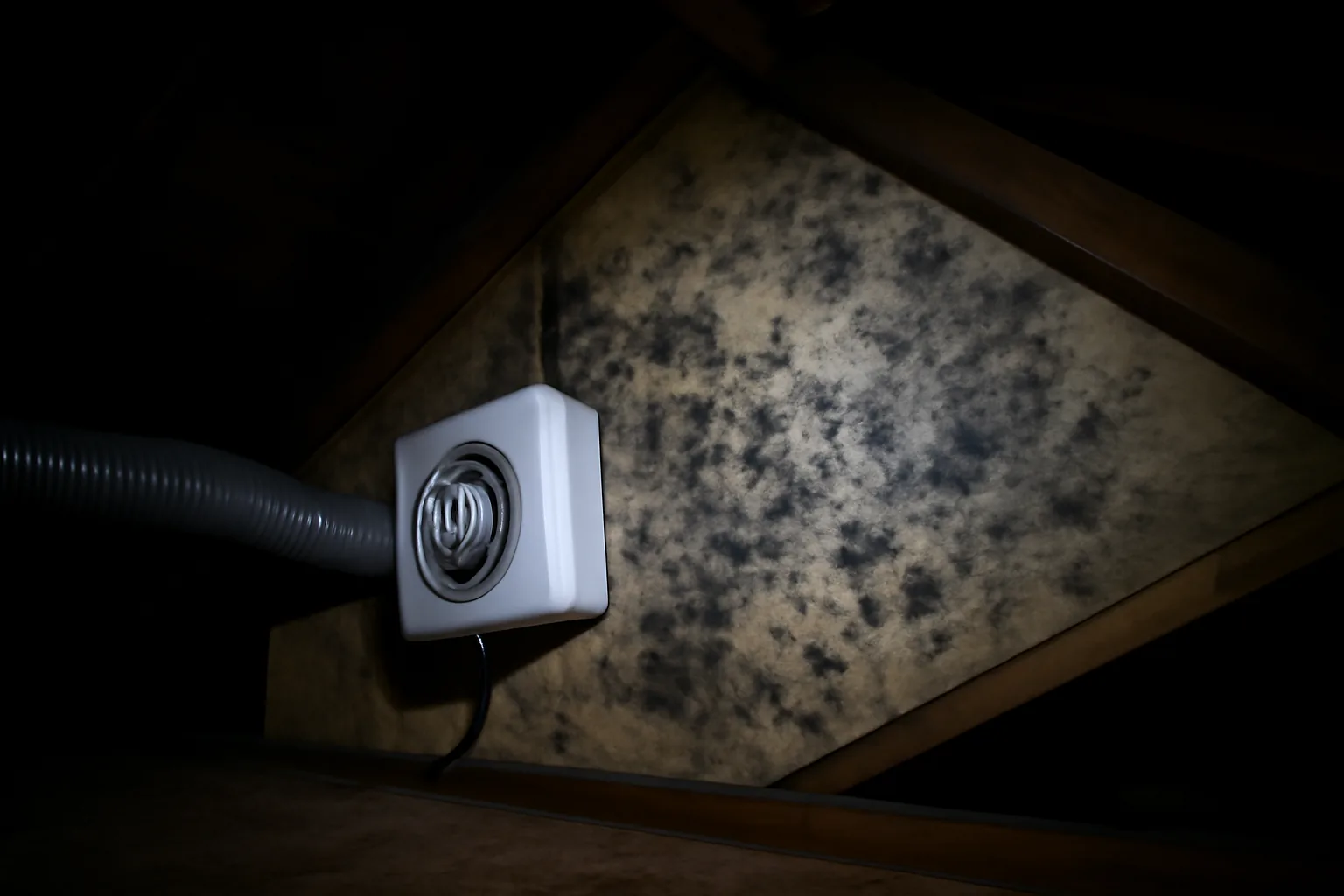
Stop assuming your bath fan is doing its job just because it hums along and clears the mirror fog. That assumption is exactly what led me into a client’s attic last February, where a routine insulation check turned into something far worse. Six feet of roof sheathing above the master bath was covered in thick, fuzzy black colonies — the kind of growth that doesn’t happen overnight. The cause traced back to a bathroom fan venting straight into the attic, a setup I run into in roughly one out of every four older homes I’ve been in. For years, that fan had been pumping warm, moisture-loaded air into the attic cavity with nobody the wiser. The smell never registered, the damage stayed hidden, until winter condensation finally soaked through and left a stain on the ceiling below.
If your bathroom fan dead-ends in the attic space — duct attached or not — you’re sitting on a problem that hasn’t announced itself yet. Below, I’ll walk through what this actually looks like once it takes hold, why it happens in the first place, what it’ll cost you if it goes unaddressed, and the correct way to solve it permanently.
Why Venting a Bathroom Fan Into the Attic Breeds Mold
A bathroom fan has exactly one job: pull moisture out of the room and send it somewhere it can’t cause harm. Each shower releases close to a pint of water vapor into the air, and stretch that out across a household of four over a full year and you’re pushing hundreds of gallons of vapor through that fan housing. Vent that air into the attic instead of outdoors, and it hits the nearest cold surface and condenses instantly — and nothing in an attic is colder than the underside of the roof deck.
Damp wood is an open invitation. Mold spores already live in every attic; all they’re waiting on is moisture and something organic to feed on. Relative humidity sitting at 70% is enough for visible colonies to form within 24 to 48 hours. I’ve personally recorded attic humidity readings above 85% in houses where the duct was simply severed at the joist and left hanging open. That’s not a borderline situation — that’s a breeding chamber.
Building code doesn’t leave room for interpretation here. IRC Section M1506.2 spells out that bathroom and toilet room exhaust air can’t be recirculated inside the structure or dumped into an attic, crawl space, or any other zone within the building envelope. Put simply, an attic termination isn’t a workaround — it’s a violation, and that has real consequences when it comes to insurance claims and closing a home sale.
The Actual Damage: What This Mold Problem Looks Like Up Close
I’ve crawled through enough attics with this exact issue to recognize its stages. How far it’s progressed depends on how long the fan’s been misdirected and how brutal your winters run. Here’s the pattern I see, laid out in order.
Stage 1: Frost and Condensation
In cold-weather regions, the earliest clue is frost forming on the roof sheathing right above where the fan terminates. Pull the insulation back and you’ll find the plywood or OSB soaked through — occasionally with actual ice crystals clinging to it in January. Homeowners almost never catch this, since nobody’s climbing into the attic mid-winter to look. But once that frost thaws out in March, it soaks straight into the wood beneath it. That’s the trigger for Stage 2.
Stage 2: Discoloration and Early-Stage Mold
Gray or black stains start showing up on the sheathing and the rafters nearby. You may also spot efflorescence — a chalky white residue left behind as mineral-laden water evaporates. Early colonies show up as fine dark speckling across the surface, and plenty of homeowners write it off as dirt. It isn’t. A tape lift sample or ATP meter reading will confirm mold at this point, and I always run that test before recommending remediation so I’m never overstating the problem.
Stage 3: Full-Blown Mold Colonization
This was the scene I walked into that February afternoon. Dense, fuzzy black growth — usually Cladosporium or Stachybotrys — radiating outward from the duct termination across the sheathing. At this point, professional remediation isn’t optional, and it typically runs $1,500 to $4,000 depending on how far the growth has spread. When sheathing panels are too far gone and need replacing, tack on another $800 to $2,000 for carpentry and roofing work. Every dollar of it avoidable.
Tracking Down Where Your Fan Is Really Venting
Don’t take it on faith that your fan vents outdoors — confirm it. I’ve walked into attics where the ductwork ran the full length of the space but never actually broke through the roof or soffit; the installer skipped that step entirely. The duct just sat there, buried under a foot of blown-in cellulose, quietly exhausting into the attic cavity.
This is my go-to check on every job. Start by flipping the fan on and stepping outside. Circle the house and look for a vent cap mounted on the roof or an exterior wall. Airflow there means you’re in the clear. No airflow, no visible cap — head into the attic with the fan still running and follow the flex duct by hand, feeling along its length for moving air at the end. A duct that simply stops in open space, or terminates at a louver blowing straight into the attic, is the telltale sign you’re chasing.
Don’t stop at the termination — inspect the duct itself too. Flex duct kinks easily, particularly when it’s been dragged carelessly over ceiling joists. A kinked section chokes airflow badly enough, in some cases, that the fan barely moves any air at all, which means moisture has nowhere to go but back into the bathroom. I’ve come across systems that technically vented outside through a proper roof cap but still caused humidity problems, simply because the duct had three sharp 90-degree kinks packed into an 8-foot run.
Doing It Right: Getting the Duct Outside for Good
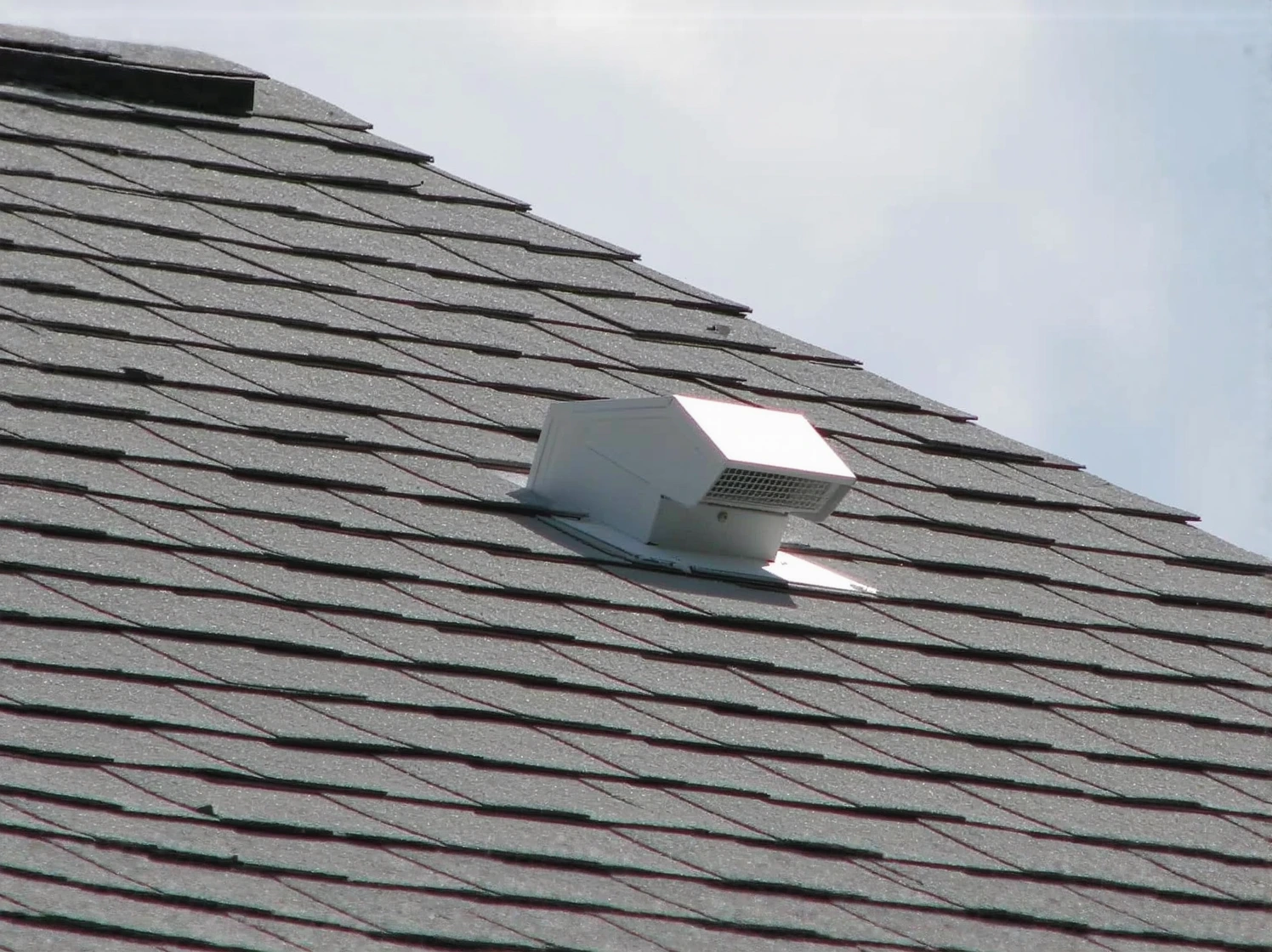
There’s really only one correct fix — route the duct all the way outdoors. That leaves you two paths: up through the roof, or out through a gable or soffit wall. I lean toward roof termination in most jobs since it’s usually the shortest route, keeps duct length to a minimum, and avoids pulling exhaust air right back in through a nearby soffit intake. Stick to a total duct run under 25 feet, and shave 5 feet off that allowance for every 90-degree elbow you add, following ASHRAE 62.2 guidance.
Roof Termination, Step by Step
- Follow the duct to its current stopping point in the attic, and note the diameter — most residential fans use standard 4-inch round duct.
- Pick a roof exit point as directly above the fan as the framing allows, staying clear of valleys or spots where snow tends to pile up.
- Using a hole saw sized to match your duct, cut through both the sheathing and the shingles.
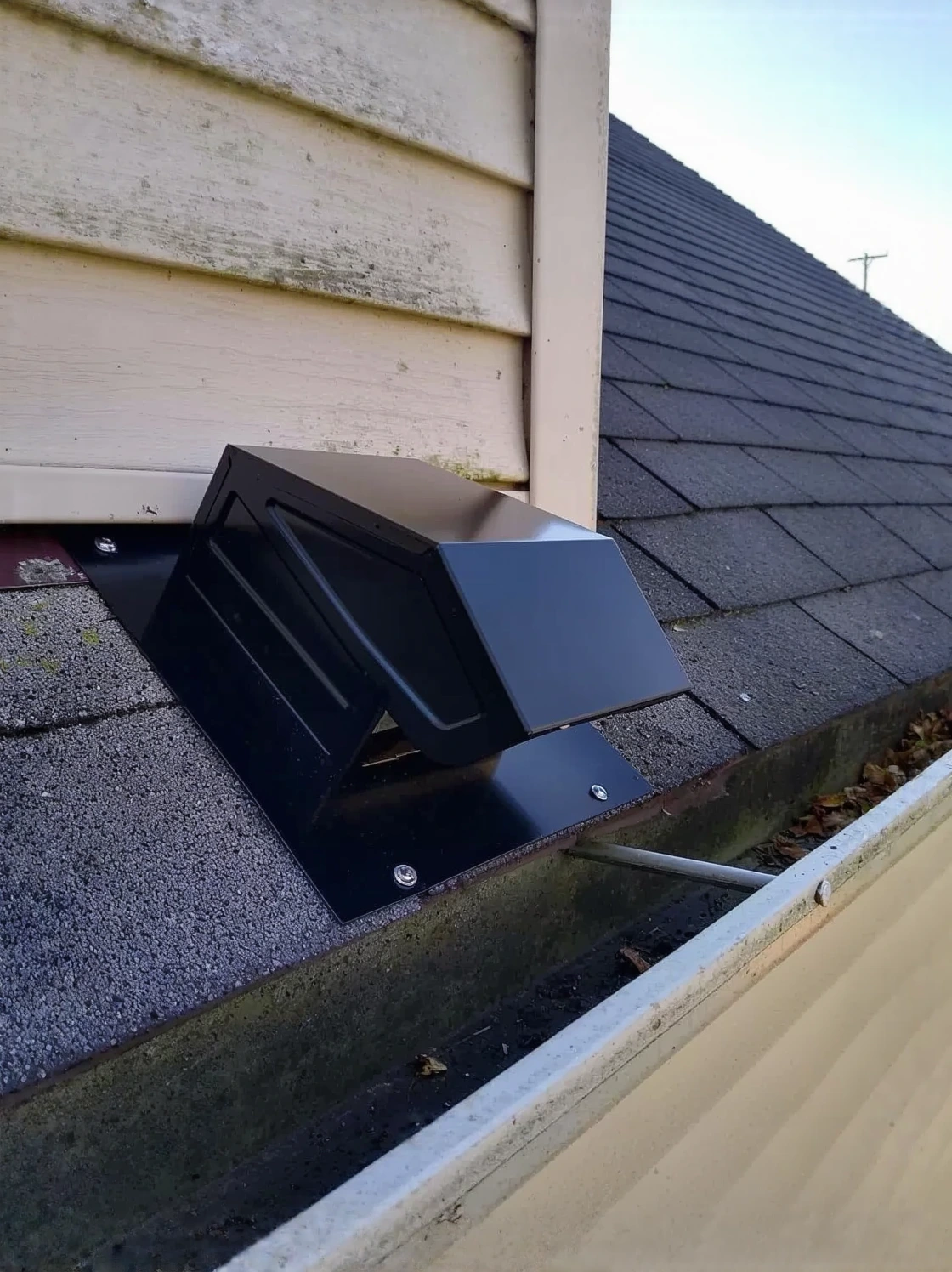
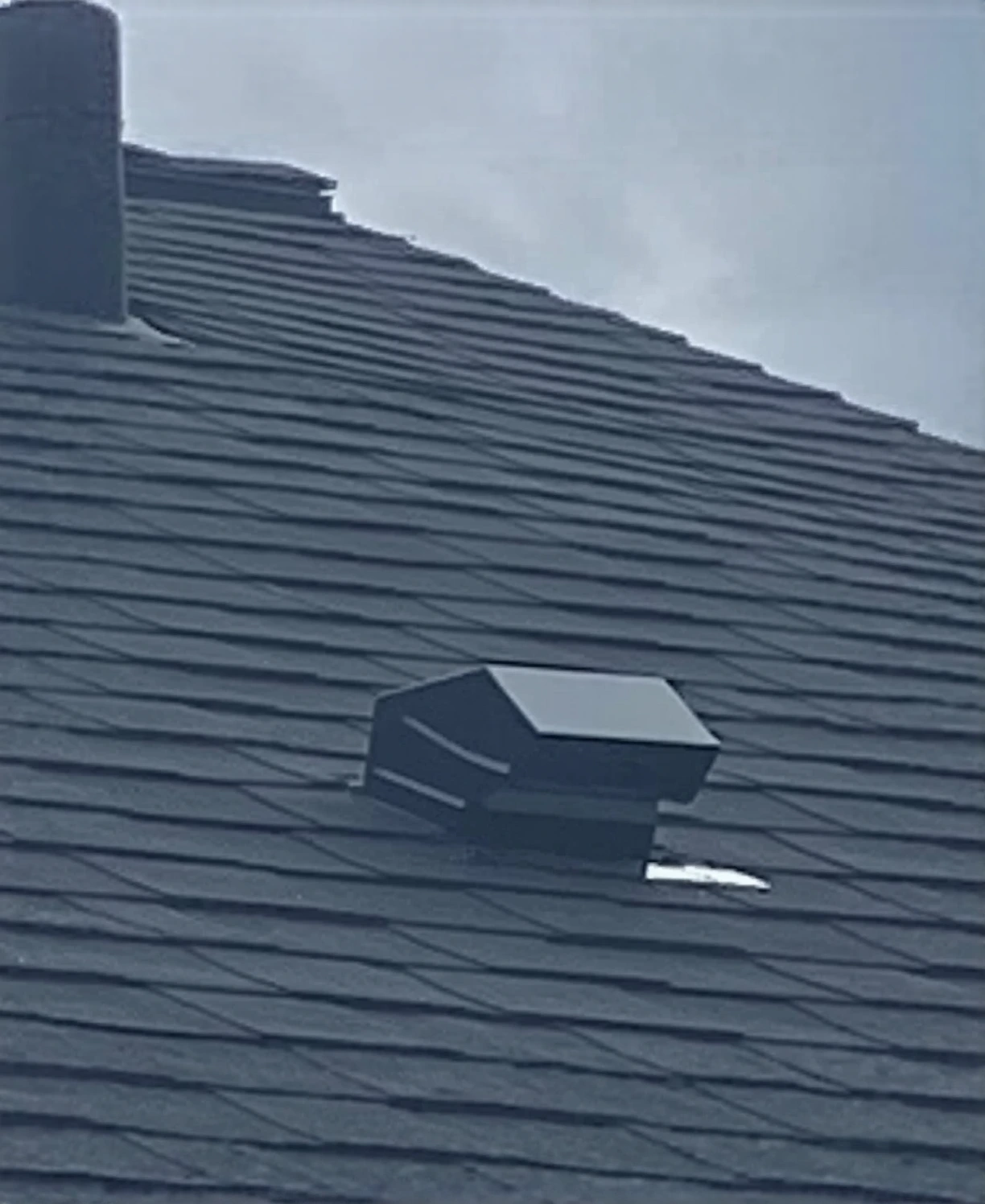
- Set a roof vent cap equipped with a built-in damper. Run roofing cement beneath the flange before you nail it down, then seal the top edge with a compatible product — I go with NP1 polyurethane on asphalt shingle roofs.
- Attach the duct to the cap’s collar using 4-inch metal foil tape. Skip standard duct tape entirely — it breaks down within a couple of years once attic temperatures start swinging.
- Support the duct run so it can’t sag. A sagging section traps condensate and chokes off airflow.
On my second solo install, I found this out the hard way — I’d used ordinary gray duct tape on the collar joint, and by the following winter it had peeled apart completely. Metal foil tape is the only thing built to survive the thermal cycling an attic puts it through.
The Cap That Ended the Humidity Buildup in My Own Attic
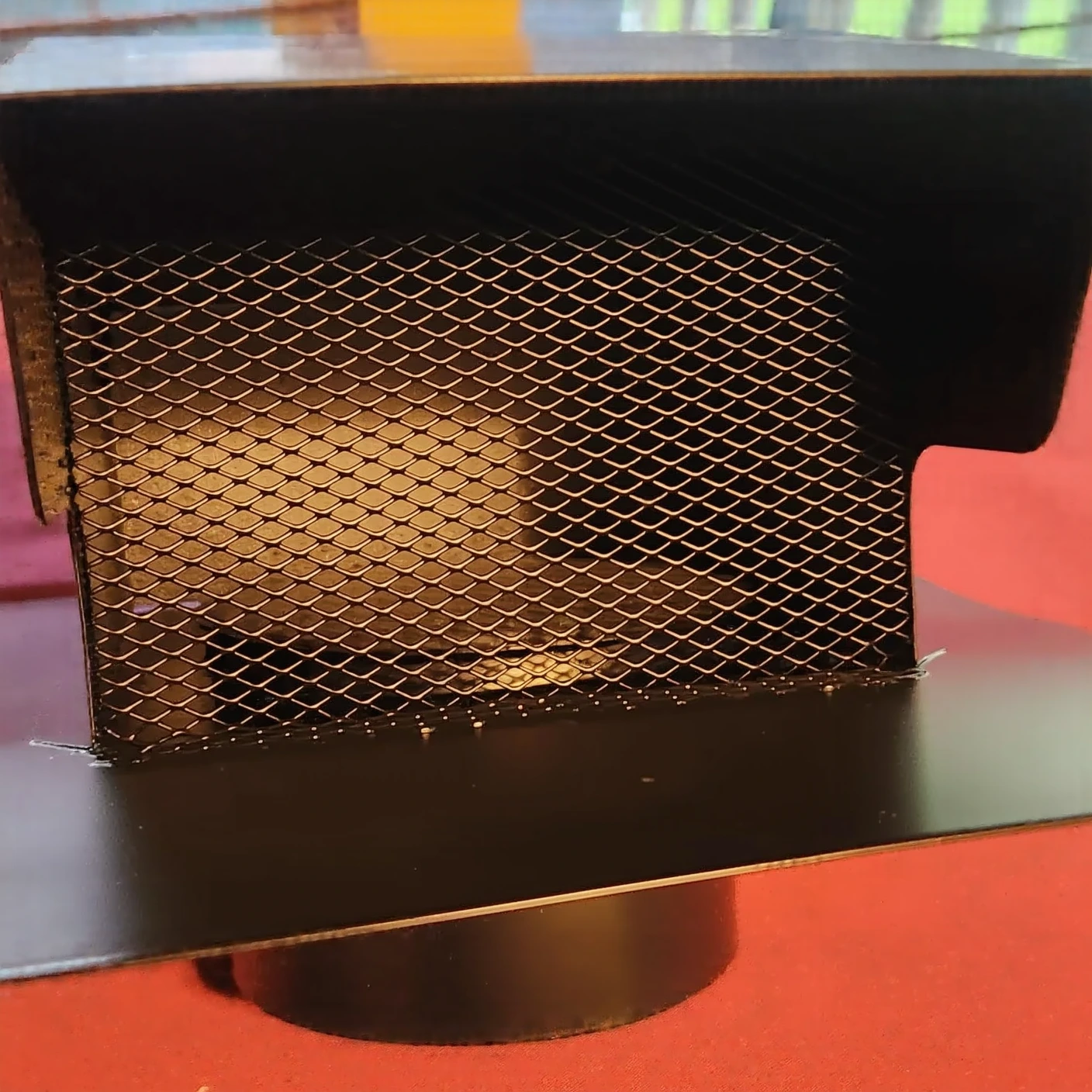
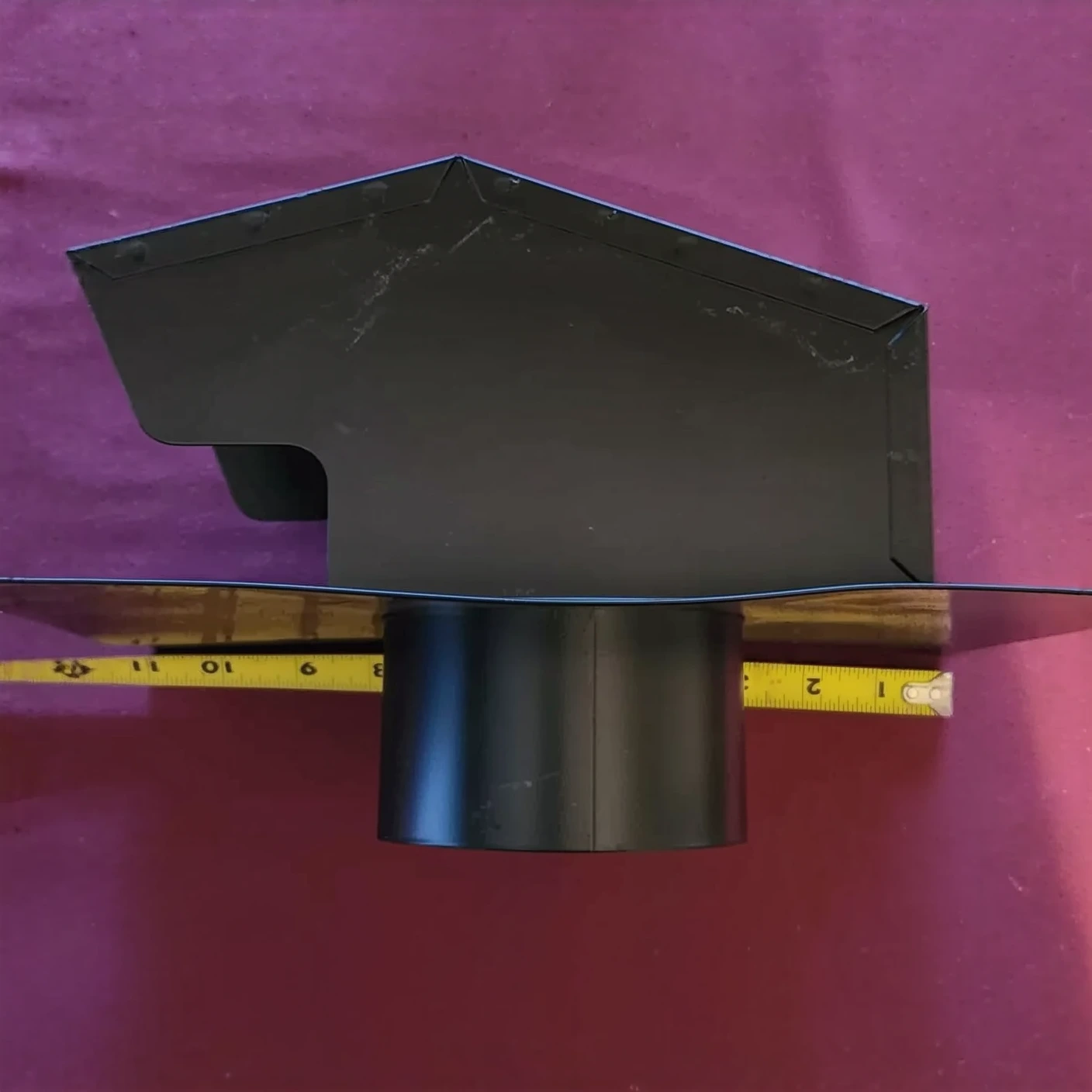
Once you’ve confirmed your bath fan has been dumping air into the attic, there’s no way around it — that moisture has to be routed outside through a proper roof-mounted exhaust cap. Skip that step and all you’ve done is relocate the problem, or hand it a chance to get worse.
Where it delivers
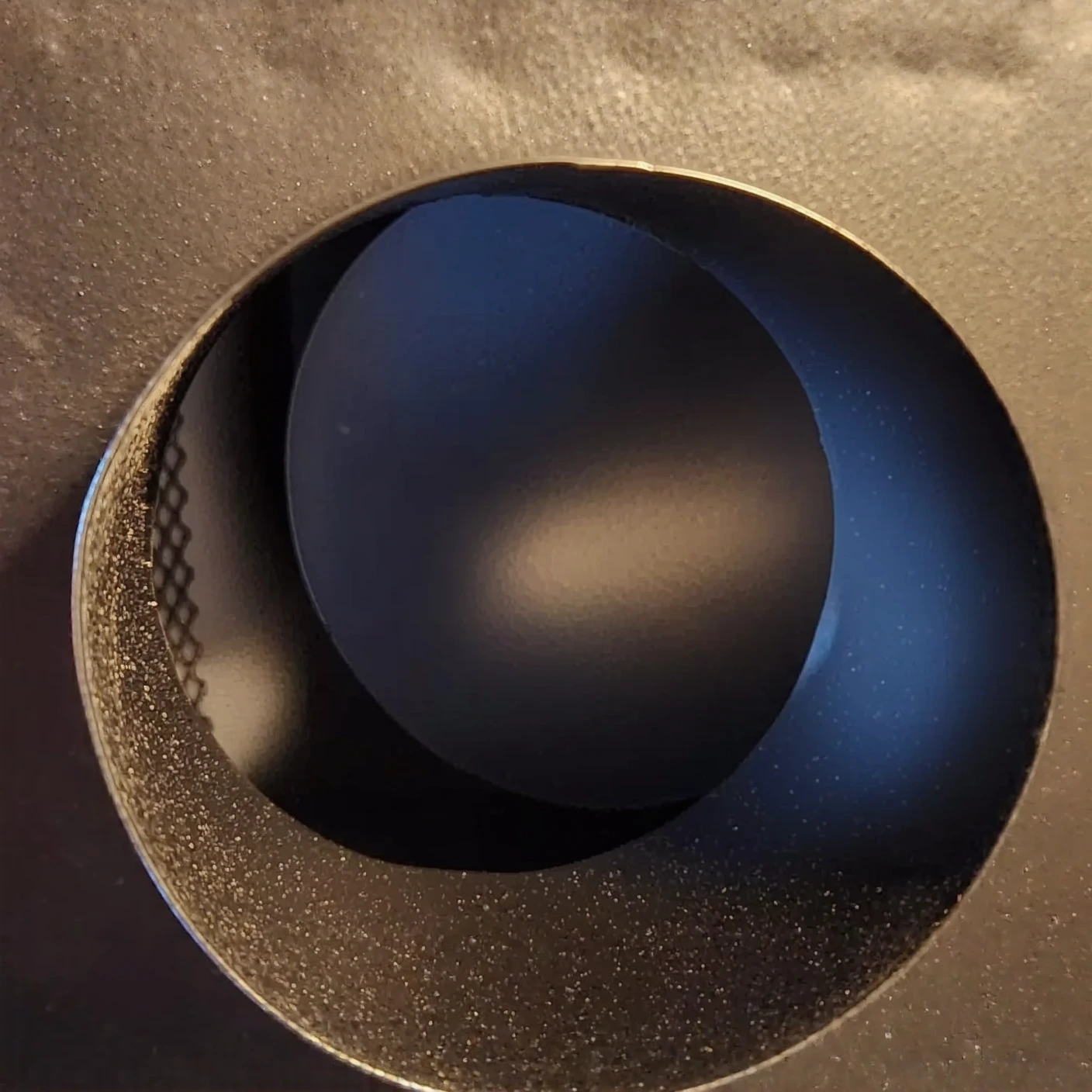
- The built-in damper flap seals shut between fan cycles, so attic air and cold drafts can’t creep backward into the house once the fan shuts off.
- Steel outlasts plastic versions by a wide margin, holding up especially well through repeated freeze-thaw cycles that leave condensation forming right on the cap.
- It accommodates both 3-inch and 4-inch round ductwork, matching the vast majority of the residential bath fan setups I run into — no swapping caps or rigging adapters.
Where it falls short
- You’ll need roof access and a cut through both sheathing and shingles to install it — this isn’t something you can knock out from the attic alone, and plenty of homeowners will end up calling a roofer.
- In especially cold climates, the damper can stick or freeze up if moisture inside the cap isn’t kept in check, so proper duct slope and insulation upstream are still essential to keep condensation from forming.
I initially worried the standard damper design might ice up too easily in Minnesota winters, but proper duct insulation and slope kept it functioning through three years of inspections. Get the Broan-NuTone 636 Steel Roof Vent Cap for 3″ and 4″ Round Duct installed before that bathroom humidity finds your roof sheathing.
About This Article

Written by Dana Sorensen. Homeowner turned building-science obsessive. I help other homeowners understand attic insulation, ventilation, and air quality so they can stay comfortable year-round without overspending on energy bills. More about this site.
Scope and limits. Dana is a homeowner who studies building science, not an HVAC contractor or licensed tradesperson. Anything involving combustion appliances, gas lines, or electrical work belongs with a licensed contractor.
Verify this against a primary source
Specifics change, and your situation may differ from the one described here. These are the authorities worth checking directly:
- ENERGY STAR — recommended insulation R-values by climate zone
- U.S. Department of Energy — air sealing and insulation guidance
- EPA Indoor Air Quality — ventilation and indoor air quality standards