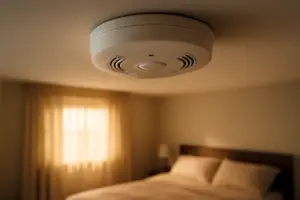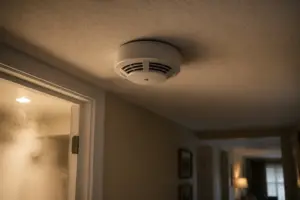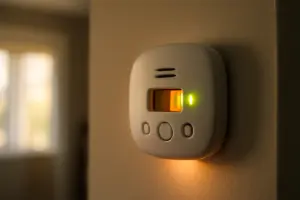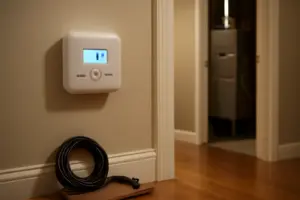
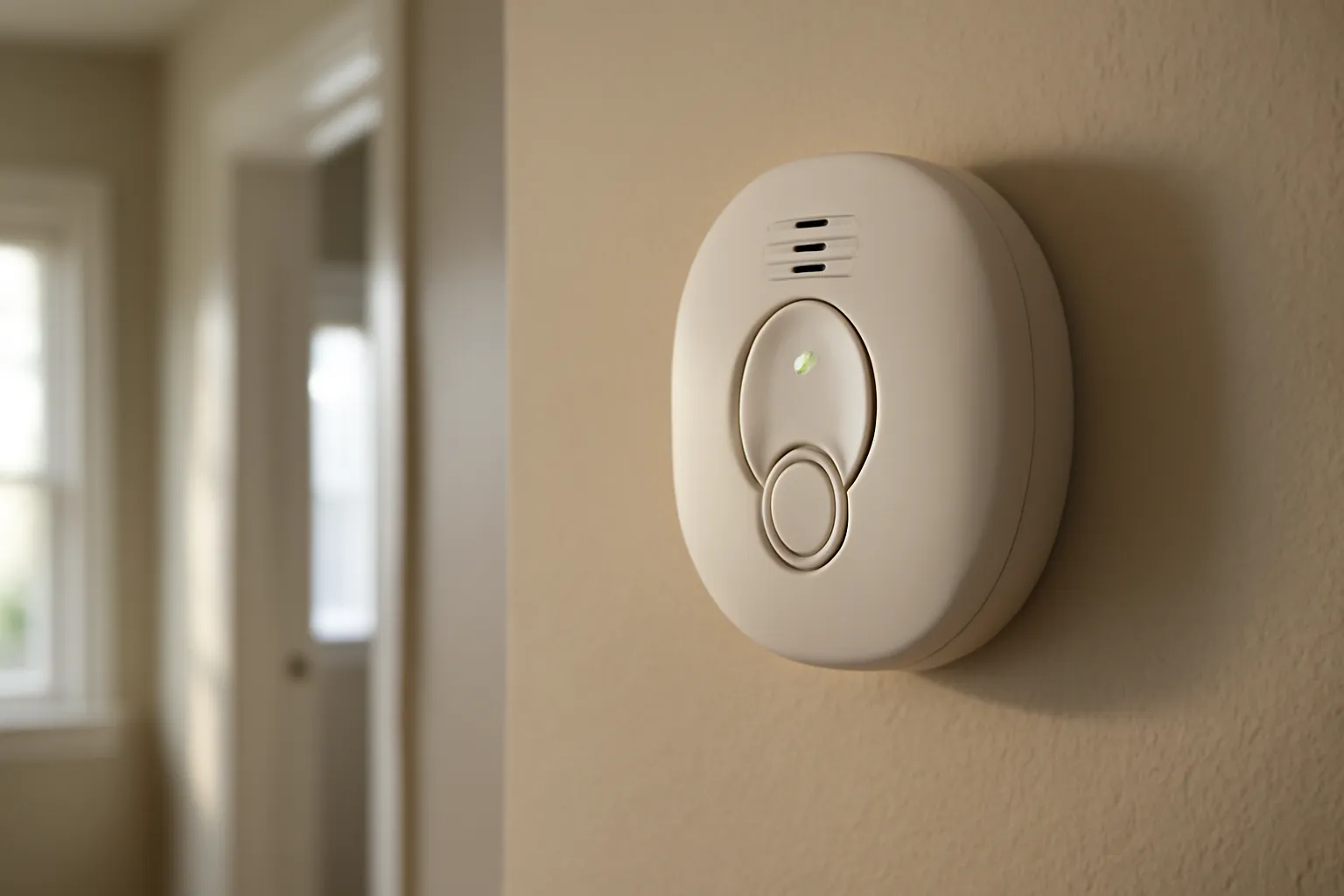
47 ppm and climbing — that’s what my combustion analyzer read the second I cracked open the burner compartment on Karen’s furnace, and the hairline crack running across the heat exchanger explained the rest. She’d spent the previous night fighting a headache and a queasy stomach, blaming bad takeout, before finally drifting back to sleep around 2 a.m. By morning, her carbon monoxide alarm was chirping at her insistently. That crack had been feeding CO into her ductwork for hours, and she’d gotten lucky. What stopped me cold during the walkthrough afterward was mounted right on her ceiling: a bargain ionization combo unit, smoke and CO sensors bundled into one plastic housing, both sensors long past their expiration dates. The thing was still screwed to the ceiling, still blinking its little green light, doing absolutely nothing to protect anyone. That discovery is why Karen finally asked me the question I field on nearly every job site: are combination smoke and CO detectors actually worth installing? There’s no clean yes-or-no here — it hinges on which unit you buy, where it ends up mounted, and whether you grasp the tradeoffs baked into that design. Fifteen-plus years into this HVAC and home-performance career, I’ve pulled more dead detectors off ceilings than I can count. Here’s what actually matters when you’re the one deciding.
The Core Issue: Smoke Detection and CO Detection Play by Different Rules
Most homeowners — and plenty of contractors, if I’m being honest — overlook a basic fact: smoke and carbon monoxide move through a room in entirely different ways, which means the best mounting spot for catching each one isn’t the same spot on your wall.
Smoke climbs. Heated combustion particles ride the rising thermal column a fire generates, and that’s exactly why building codes and every manufacturer’s install sheet insist smoke detectors go on the ceiling, or no more than 12 inches down from it. NFPA 72 — the standard most local codes point back to — spells this out clearly. Mount a smoke detector at eye level instead, and you’re essentially betting that the entire room fills with smoke before the sensor catches any of it, and by then you’re already dealing with a fire well past its early stage.
Carbon monoxide plays by different rules entirely. At 28 grams per mole, CO is only marginally lighter than air’s average of 29 g/mol, and in real rooms it ends up spreading itself almost evenly rather than sinking like propane or rising like smoke. Because of that even distribution, the Consumer Product Safety Commission and most CO alarm manufacturers point to breathing height — roughly 5 feet up — or a nightstand as the better mounting location, since that’s the air you’re actually pulling into your lungs. A CO alarm positioned there will flag a rising concentration faster than one stuck on the ceiling, simply because it’s sampling the air you’re breathing.
Combo units complicate this picture. Because smoke detection requires ceiling placement, that’s almost always where a combination smoke/CO unit lands — and technically that’s fine under UL 2034, the CO alarm standard, which doesn’t forbid ceiling installation. Being code-compliant, though, isn’t the same as being ideal. A ceiling-mounted combo can trail a breathing-height unit by a few minutes when it comes to sensing CO. In a slow overnight leak, those extra minutes matter more than you’d think.
Then there’s the redundancy problem. A dead battery, a unit knocked off its bracket, or a sensor that’s simply outlived its service life takes out smoke protection and CO protection in one shot when they’re bundled into a single device. Keep them separate, and a failed CO alarm leaves your smoke detector working just fine — and the reverse holds true too.
Lifespan mismatch is the other complication worth flagging. Photoelectric smoke sensors reliably run 10 years. Electrochemical CO sensors — standard in nearly every residential CO alarm — historically last only 5 to 7 years. Older combo units forced homeowners to toss the entire device the moment the CO sensor aged out, even though the smoke sensor still had years of life left, which wasted money and left plenty of people confused about why a “working” detector needed replacing at all.
So where does that leave you in practical terms? The combo smoke CO alarm pros and cons shake out like this: you gain convenience and save some money on one side of the ledger, while accepting placement compromise and shared-failure risk on the other. The gold-standard setup remains photoelectric smoke detectors on every required ceiling location, paired with standalone CO alarms at breathing height, especially near bedrooms. That said, going all-in on separate units isn’t always realistic or affordable — and that’s precisely the situation where a well-built combo unit earns its place.
How a Single Combo Unit Ended My Habit of Juggling Two Separate Alarms
Walking through Karen’s bedroom and spotting her smoke detector tucked in one corner while her CO alarm sat half-hidden behind a dresser made something click for me: it’s absurdly easy for blind spots to creep in when you’re managing two separate devices. A combo unit closes that gap entirely, covering both threats without asking you to remember and maintain multiple gadgets scattered around a room.
What Combo Units Get Right
- Fewer total devices per room translates to less testing, less battery-swapping, and less chance one gets forgotten in the back of a closet.
- A sealed 10-year battery erases that nagging “wait, when did I last swap that battery?” worry for good.
- Photoelectric sensing shrugs off false alarms triggered by cooking smoke or shower steam far better than older ionization tech, so when it actually goes off, you trust it.
Combination units are not immune to this either — the same troubleshooting applies, and I cover it step by step in my guide to fixing an over-sensitive smoke detector.
Where Combo Units Fall Short
- The upfront price tag runs higher than standalone smoke or CO units, which stings extra when you’re already budgeting for furnace or HVAC repairs.
- A single failure knocks out both protections simultaneously — uncommon with reputable brands, but a real reason not to skip that annual test button-press.
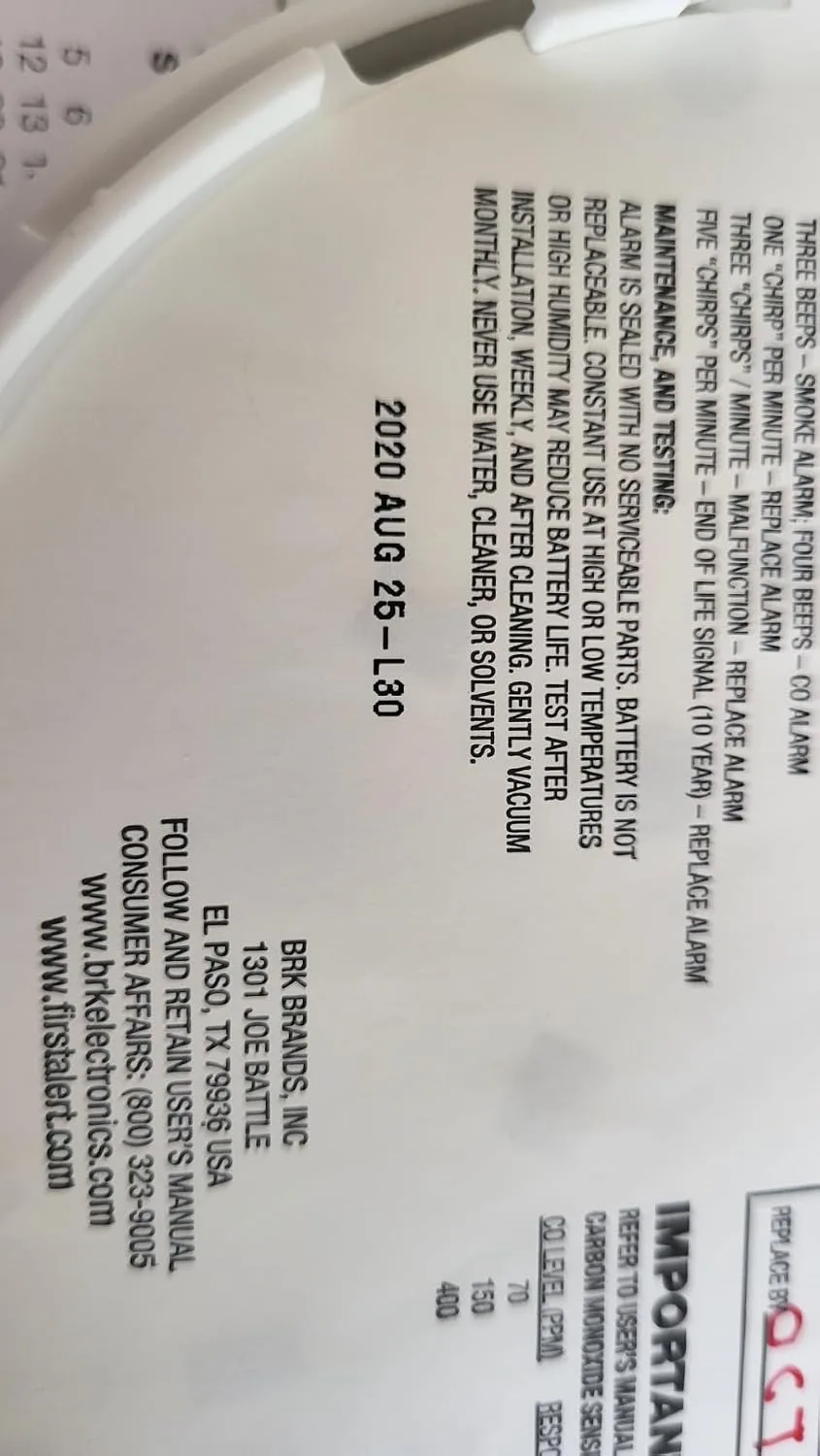
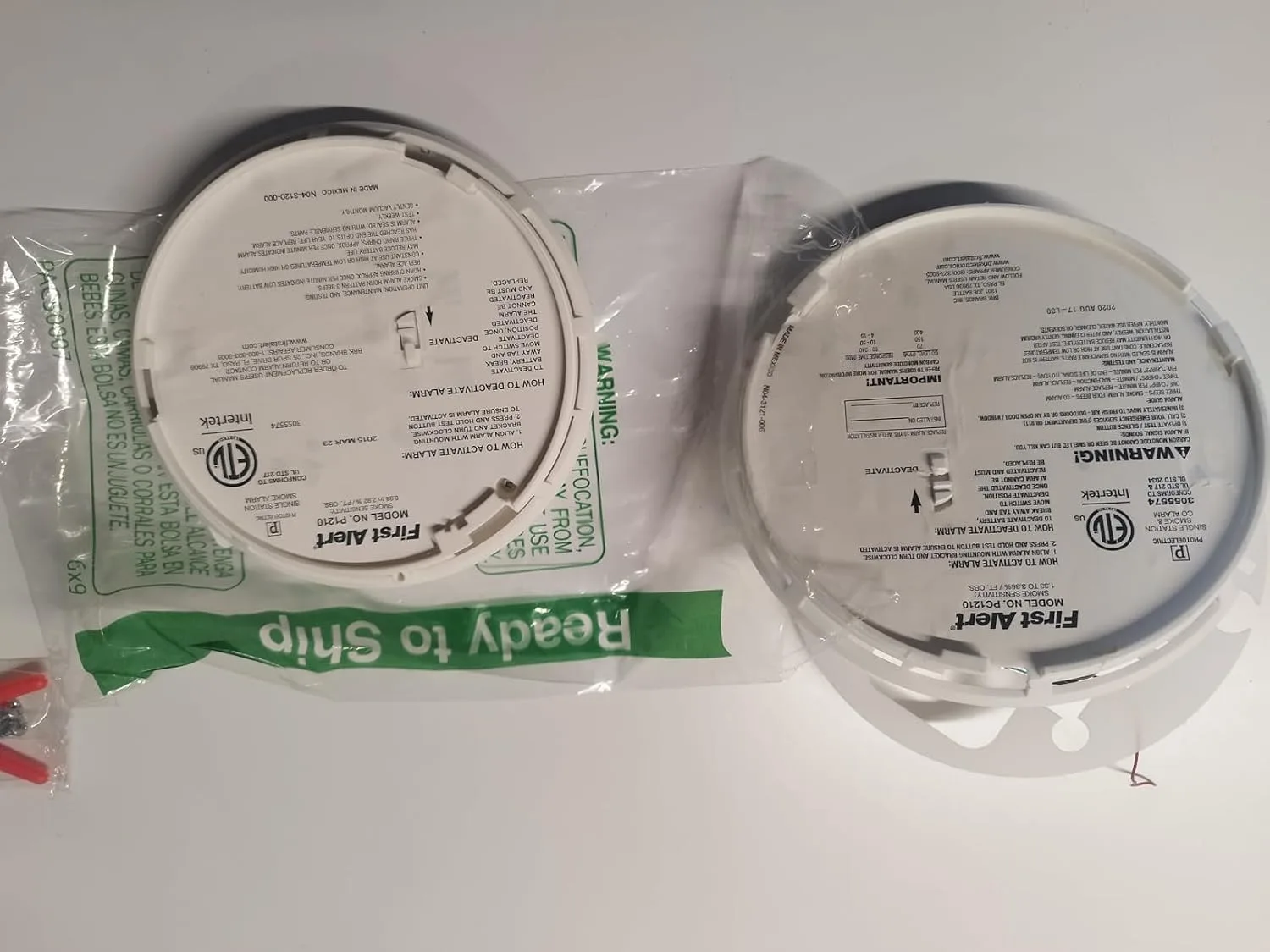
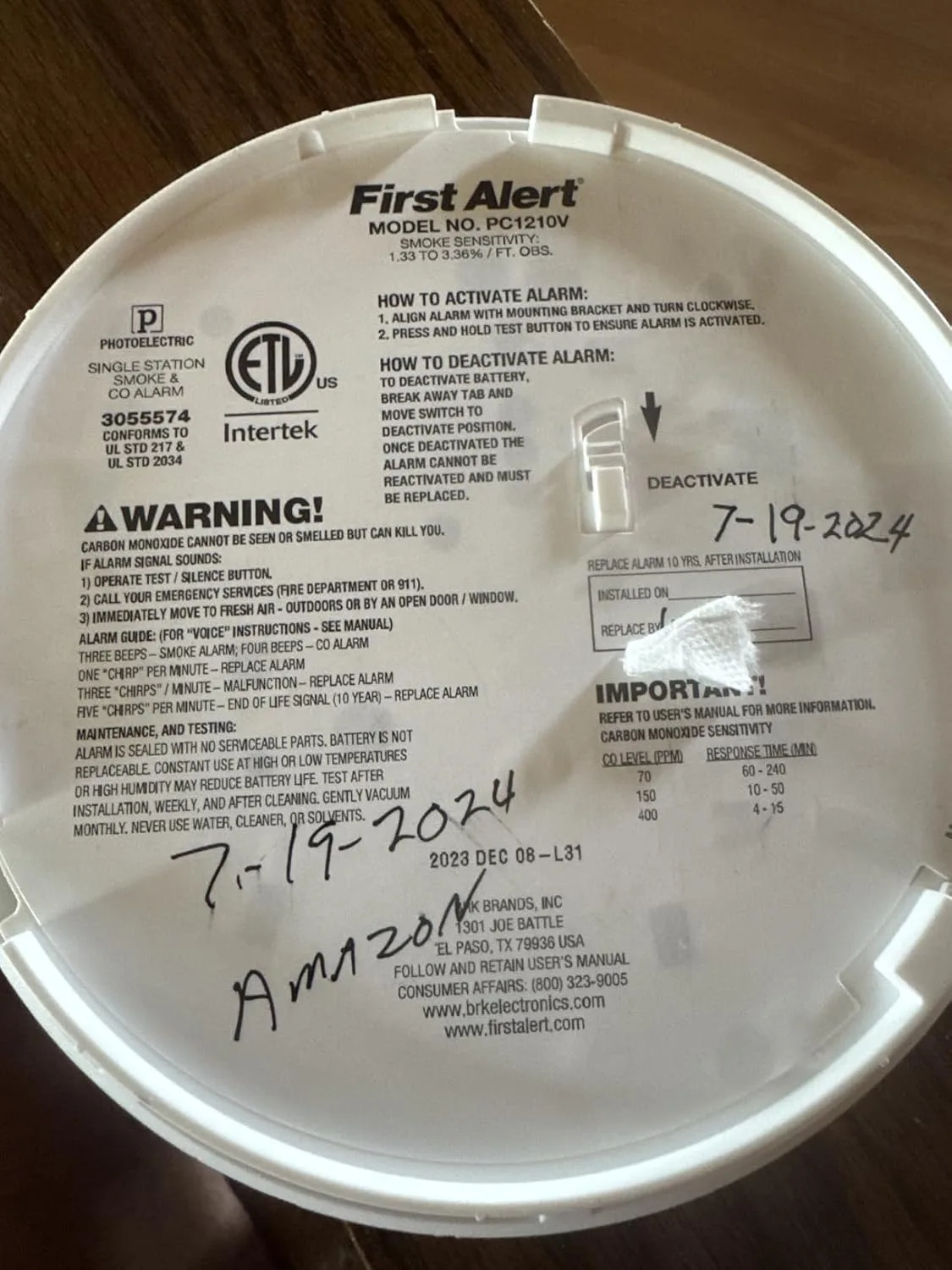
I’ll admit: when I first priced out combination units versus buying separate detectors for a whole-house retrofit, I almost talked myself into the cheaper route. But after that call from Karen, I knew the peace of mind was worth every penny. Grab a First Alert PRC710 PC1210 10-Year Combination Carbon Monoxide and Photoelectric Smoke Detector for the bedrooms and living areas where you spend the most time.
About This Article

Written by Dana Sorensen. Homeowner turned building-science obsessive. I help other homeowners understand attic insulation, ventilation, and air quality so they can stay comfortable year-round without overspending on energy bills. More about this site.
Scope and limits. Dana is a homeowner who studies building science, not an HVAC contractor or licensed tradesperson. Anything involving combustion appliances, gas lines, or electrical work belongs with a licensed contractor.
Verify this against a primary source
Specifics change, and your situation may differ from the one described here. These are the authorities worth checking directly:
- ENERGY STAR — recommended insulation R-values by climate zone
- U.S. Department of Energy — air sealing and insulation guidance
- EPA Indoor Air Quality — ventilation and indoor air quality standards