Scroll through enough HVAC forums and you’ll find two camps giving opposite advice. One says grab the densest, highest-MERV filter on the shelf because more filtration always wins. The other insists anything past MERV 8 will choke your furnace and should be avoided entirely. Neither absolute is correct, but if I had to pick which one causes more expensive damage, it’s the first — and a homeowner in Draper found that out the hard way last month. Her furnace had started short-cycling not long after she’d upgraded to a MERV 13 filter, convinced that thicker filtration simply meant cleaner air. Six weeks in, her heat exchanger was cooking itself. The filter she’d chosen with good intentions was the actual cause. Sorting out MERV 8 vs 11 vs 13 HVAC filter options isn’t really an air-quality debate at all — it’s a question of whether your equipment can physically move air through whatever filter you’ve picked.
This is probably the topic I have to untangle most often on-site. Filter manufacturers advertise higher MERV numbers like they’re an automatic step up, and homeowners naturally connect “cleaner air” with “better filter.” But that logic skips a step. Pick the wrong filter for your equipment and you can end up restricting airflow, driving your energy bills up, and slowly wearing down components that cost $3,000–$8,000 to replace.
I’ve spent more than ten years crawling through ductwork, inspecting systems, and consulting on home performance, and this exact mistake shows up in nearly every variation imaginable. So this post is going to lay out what MERV ratings really measure, what each tier is capable of filtering, and — the part that actually matters — how to figure out which rating your own system can tolerate before it costs you a repair bill.
What a MERV Number Actually Tells You (And Who Decided It)
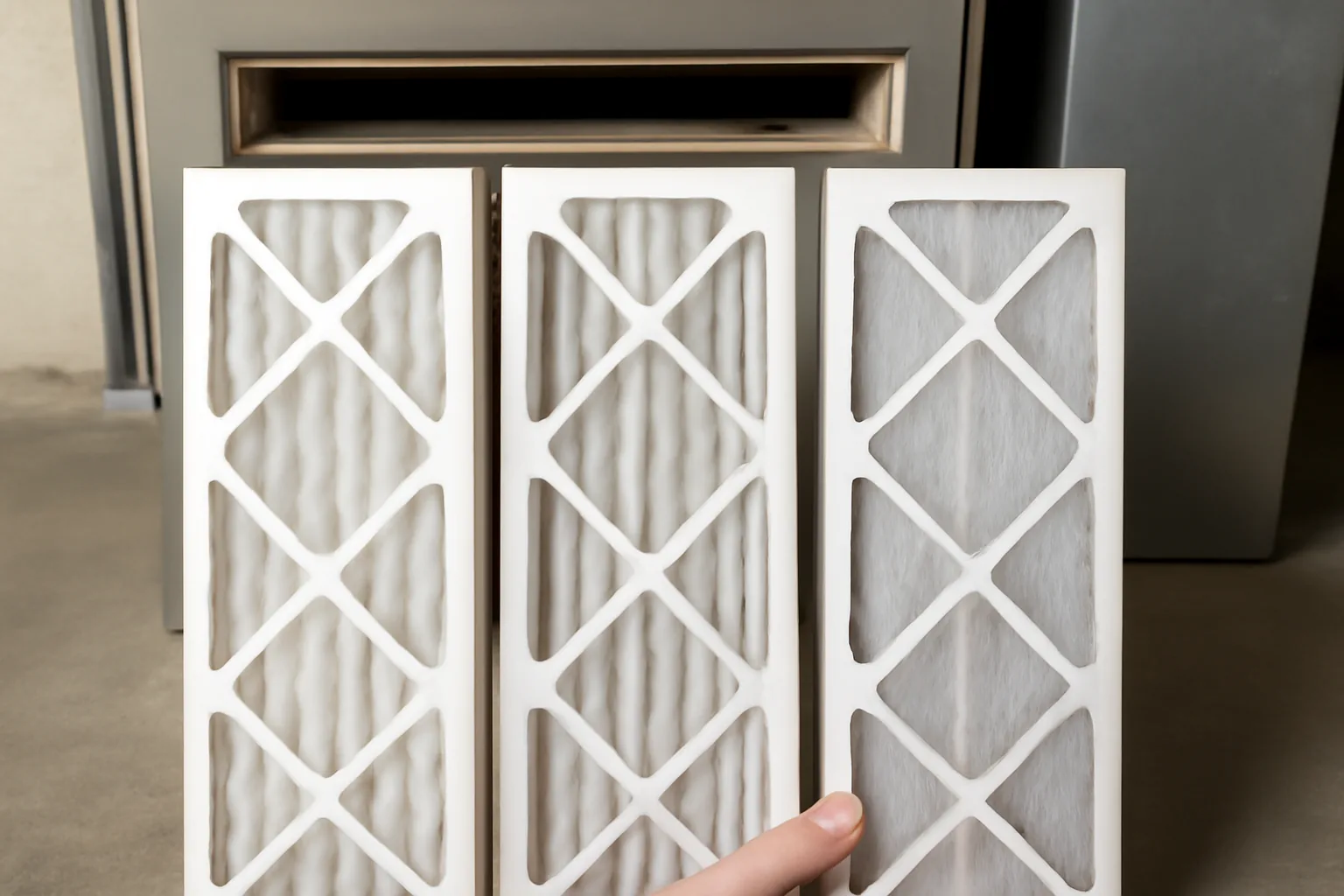
MERV is short for Minimum Efficiency Reporting Value, a rating scale built by ASHRAE — the American Society of Heating, Refrigerating and Air-Conditioning Engineers — under their Standard 52.2. The scale spans 1 to 20, though homes typically land somewhere in the MERV 4 to MERV 13 range. As the number climbs, the filter is capturing progressively smaller particles with greater efficiency.
What most people never learn is this: bumping up the MERV rating also means packing the filter media tighter. That tighter weave is exactly what snags the smaller particles, but it comes at a cost — more resistance to airflow, which technicians measure as static pressure. Your blower motor is engineered to push against a certain static pressure range. Exceed that range on a regular basis and you’re either cutting the motor’s life short or tripping its built-in safety shutoffs.
Both ASHRAE 62.2 and individual equipment manufacturers spell out a maximum allowable external static pressure, usually somewhere between 0.1 and 0.5 inches of water column (in. w.c.) for a home system. Installers generally set up equipment to run at roughly 0.2–0.3 in. w.c. total. One dense filter alone can burn through half of that allowance before air even makes it to the coil — and that’s the physical reason this whole issue exists.
MERV 8 vs 11 vs 13 HVAC Filter: What Each Tier Actually Does
MERV 8: The Dependable Baseline
A MERV 8 filter stops particles as small as 3 microns with roughly 70–85% efficiency, which covers dust mite waste, mold spores, pet dander, and most lint. If nobody in the house is dealing with serious allergies, MERV 8 does the job without asking anything extra of your equipment. It’s easy on blower motors and generally lasts 60–90 days before it needs swapping, depending on how the house is used.
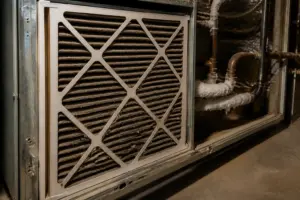
From what I’ve seen on service calls, MERV 8 is the floor I’ll recommend for any home with pets or wall-to-wall carpet. I’ve opened up systems running MERV 4 or MERV 6 filters and found evaporator coils buried under a layer of gray fuzz — a cleaning job that runs $150–$400 depending on how hard the coil is to reach. A slightly better filter would have made that whole visit unnecessary.
MERV 11: A Reasonable Middle Ground
Step up to MERV 11 and you’re catching particles down to 1 micron at 65–80% efficiency — fine dust, vehicle exhaust particles, lead dust, and even some bacteria start getting trapped here. For anyone managing allergies, living with pets, or dealing with mild breathing sensitivities, MERV 11 tends to land right in the sweet spot: a real improvement in air quality without paying the airflow penalty that comes with MERV 13.
Still, not every furnace shrugs this off easily. Older equipment — think anything installed pre-2010 with a smaller blower — can struggle under a MERV 11. I make it a habit to pull up the manufacturer’s filter spec sheet before ever suggesting the upgrade. If that sheet caps the pressure drop at the filter to 0.10 in. w.c., a MERV 11 filter could push you to that ceiling the moment it starts collecting dust.
MERV 13: Serious Filtration, Serious Compromises
MERV 13 reaches down to 0.3–1 micron particles at better than 90% efficiency — this is the tier that starts pulling out fine smoke, sneeze droplets, and even some viral particles. It sounds ideal during wildfire season or a bad flu year, and I understand the appeal. But out of everything I’d consider for a typical residential setup, MERV 13 places the heaviest demand on static pressure.
Most homes were never built with a standard 1-inch filter slot in mind for MERV 13. Both the EPA and ASHRAE point out that filters this dense need generous airflow to work as intended — put a loaded MERV 13 into an undersized system and it essentially cancels out its own benefit. If you’re running a variable-speed ECM blower with properly sized ductwork, MERV 13 might be viable. Outside of that combination, you’re usually trading more risk than benefit.
The Airflow Issue Most Homeowners Never Hear About
I picked up this lesson firsthand back in 2017. A client of mine ran a mid-range Carrier two-stage furnace, well-maintained and in good shape, and wanted to clean up the indoor air for his daughter’s asthma. We installed a MERV 13 filter. Three weeks later, he called: the furnace was running nonstop, his utility bill had jumped $40, and the house was heating unevenly. I went back out and measured total static pressure at 0.52 in. w.c. — above Carrier’s rated ceiling of 0.50 in. w.c. The filter by itself was responsible for 0.22 in. w.c. of that resistance.
We stepped back down to MERV 11, and the system settled within a day. His daughter’s symptoms stayed about the same either way. That’s typical — in most households, the perceived difference in air quality between MERV 11 and MERV 13 is smaller than people expect, while the added stress on the equipment is anything but small.
Before you upgrade, run this quick check yourself. Pull the current filter out and note your furnace or air handler’s model number, then track down the manufacturer’s installation manual online — most are posted as PDFs. Search for “maximum external static pressure” or “maximum filter pressure drop.” A number at or under 0.10 in. w.c. at the filter means you should stay with MERV 8. Somewhere between 0.10 and 0.20, MERV 11 is generally fine. Above 0.20 with a variable-speed motor, you likely have room to try MERV 13.
Cases Where Stepping Up in Filtration Actually Makes Sense
Caution isn’t always the right call. Certain situations genuinely justify going beyond MERV 8, and here’s where I’d tell a homeowner to make the jump:
- Diagnosed allergies or asthma: A physician’s diagnosis of a respiratory condition is reason enough to upgrade — and worth pairing with a standalone air purifier too.
- A household with several pets: Two or more indoor dogs or cats means a much heavier particulate load, and a MERV 11 filter earns back its cost through a cleaner coil alone.
- Active wildfire smoke: During a smoke event, temporarily running MERV 13 — assuming your system can tolerate it — provides genuine protection.
- Just finished a renovation: Drywall dust, insulation fibers, and construction debris are rough on equipment, and stepping up filtration during and after the work shields the coil.
- An immunocompromised person in the house: Here I’d look at adding a whole-home air purifier alongside a MERV 11–13 filter rather than relying on the filter alone.
Whenever any of these situations applies, I also push for more frequent filter checks — every 30–45 days rather than the usual 60–90. A high-MERV filter that’s loaded up with debris restricts airflow far more than a fresh one does, and that one habit protects your equipment no matter which rating you land on.
The MERV 12 Option That Splits the Difference
If you’re stuck deciding between the leniency of MERV 8 and the risk MERV 13 poses to a struggling system, MERV 12 is usually the sweet spot where most residential setups run comfortably. It pulls out far more particles than a MERV 8 without piling on the airflow restriction that turns your furnace into an overworked machine.
Where it delivers
- Airflow holds steady — your blower isn’t straining, and you skip the uneven temperatures that come with an oversized filter choice
- Particle capture improves noticeably over MERV 8, without the heat exchanger strain I regularly see with MERV 13 installations
- The standard 16x25x1 size drops right into most homes’ return-air plenums — no hunting for adapters or dealing with retrofit headaches
Where it falls short
- You still need to verify your system’s static pressure first — some older furnaces with underpowered blowers may need to stick with MERV 8
- It runs pricier than a basic MERV 8 filter, and you’ll be swapping it every 60–90 days rather than stretching it to six months
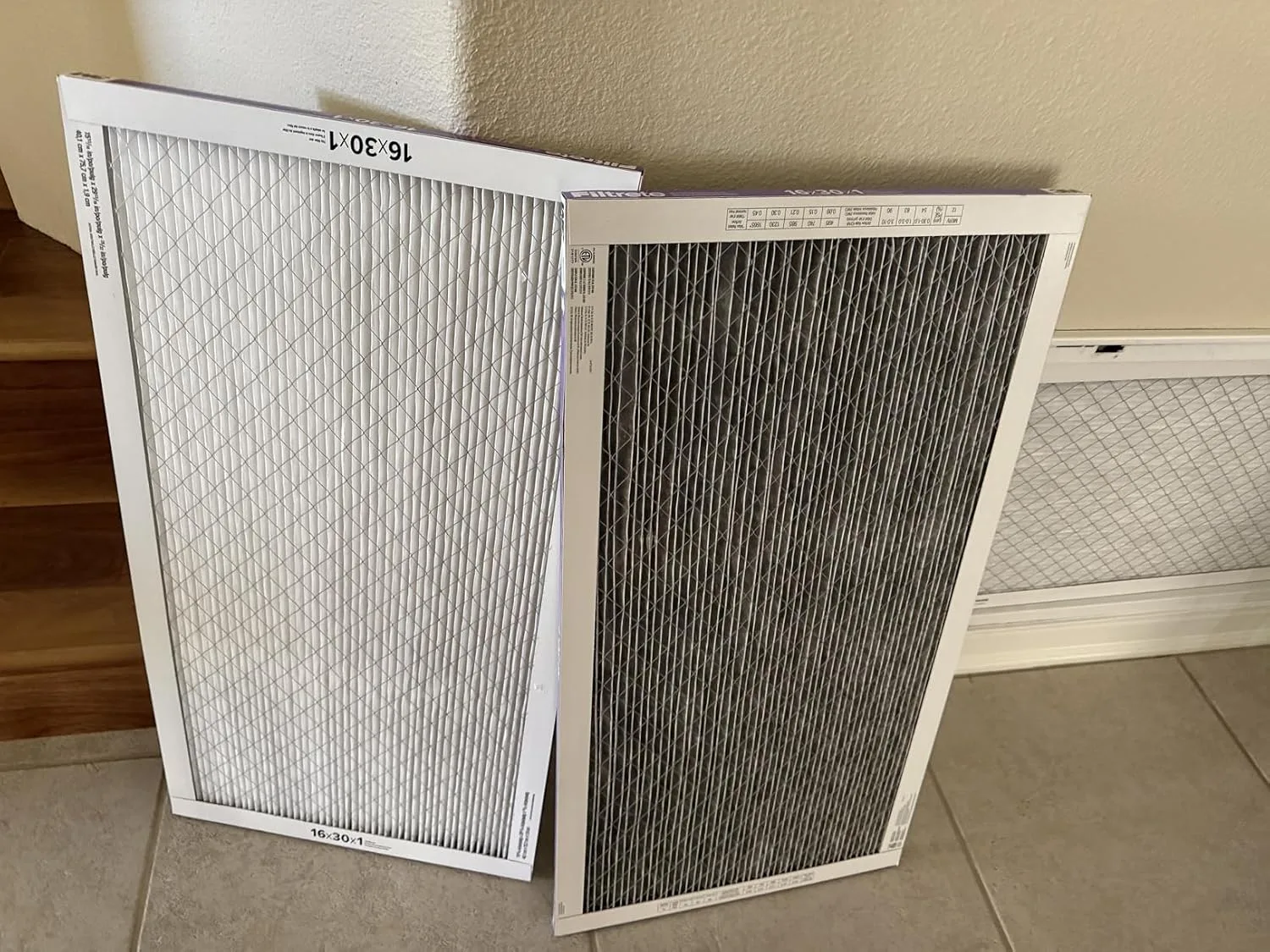
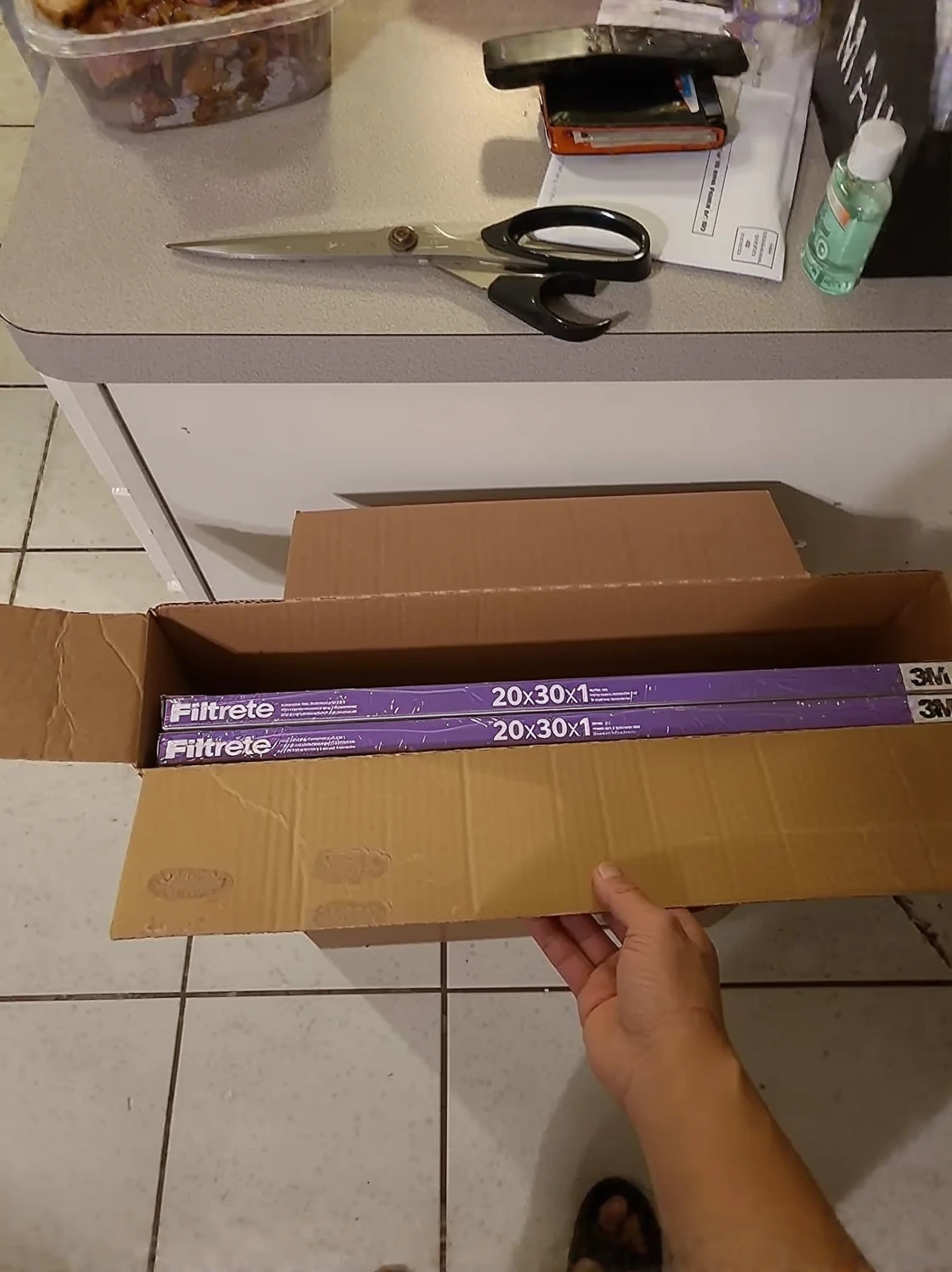
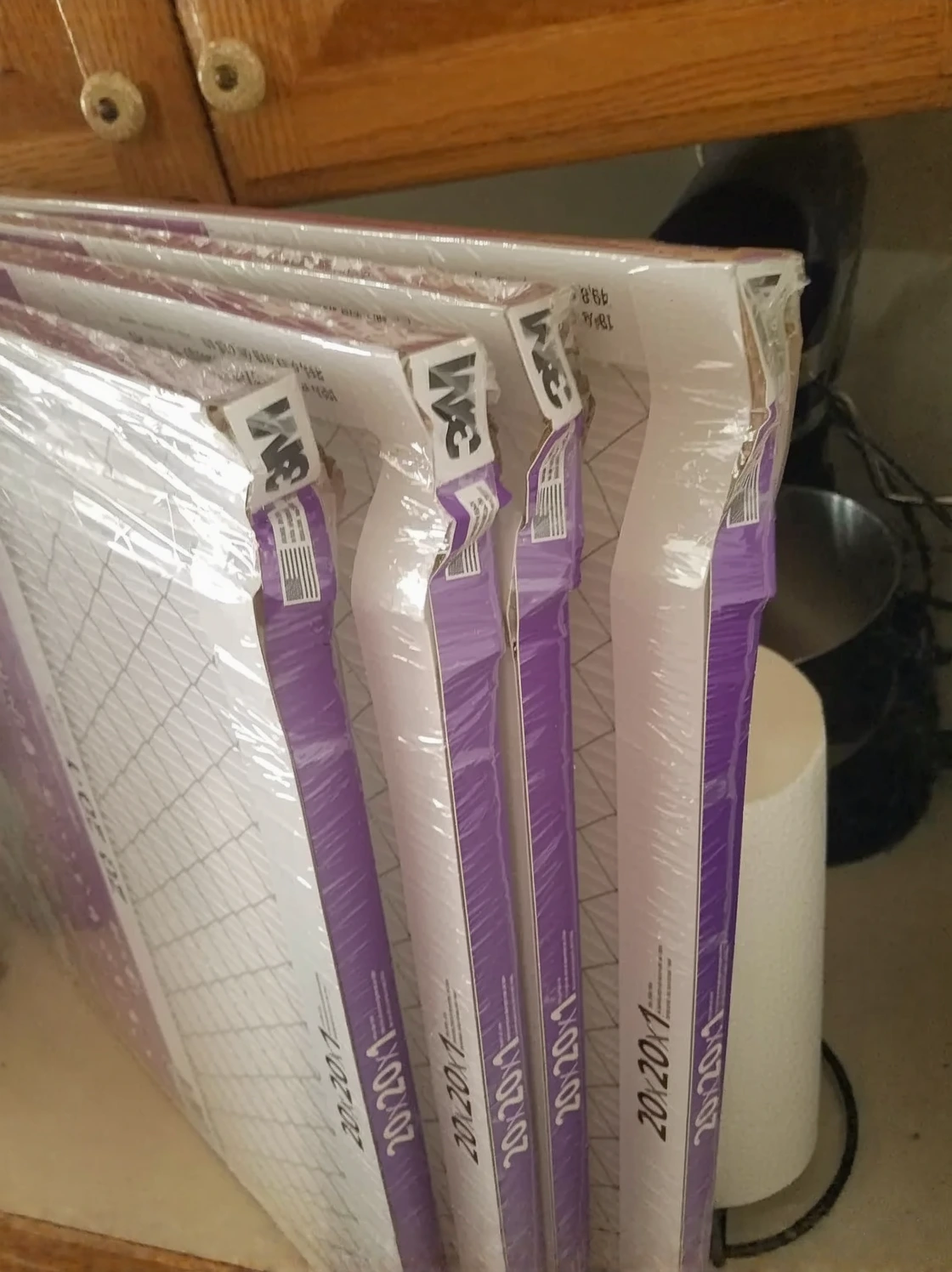
I almost recommended MERV 13 to a client last year before pulling a manometer to check static pressure — that filter would have cost them an early heat exchanger replacement. The Filtrete 16x25x1 Air Filter, MERV 12, MPR 1500 sits in that sweet spot where filtration meets system reality.

About This Article

Written by Dana Sorensen. Homeowner turned building-science obsessive. I help other homeowners understand attic insulation, ventilation, and air quality so they can stay comfortable year-round without overspending on energy bills. More about this site.
Scope and limits. Dana is a homeowner who studies building science, not an HVAC contractor or licensed tradesperson. Anything involving combustion appliances, gas lines, or electrical work belongs with a licensed contractor.
Verify this against a primary source
Specifics change, and your situation may differ from the one described here. These are the authorities worth checking directly:
- ENERGY STAR — recommended insulation R-values by climate zone
- U.S. Department of Energy — air sealing and insulation guidance
- EPA Indoor Air Quality — ventilation and indoor air quality standards