Thirty minutes — that’s how much longer a smoke alarm relying only on ionization sensing can take to sound compared to a photoelectric unit when a fire is smoldering rather than flaming. In a house full of sleeping people, that gap is the difference between waking up and not waking up. I thought about that number again last spring while talking with a homeowner near Salt Lake City — we’ll call her Karen — who’d just torn every ionization-only alarm out of her house after learning smoldering fires cause the overwhelming share of home fire fatalities. A reasonable move, except she called me from the middle of a hardware store aisle, staring down three competing options: a photoelectric-only unit, a dual-sensor model combining photoelectric and ionization, and a “split-spectrum” version priced at more than quadruple the others. The more research she’d done, the less certain she felt. That’s the trap built into the photoelectric vs dual sensor smoke detector which better question — digging deeper tends to muddy things rather than clarify them. Fifteen-plus years into this trade, I’ve spent enough time in attics, basements, and mechanical rooms to have watched firsthand what happens when the wrong alarm ends up in the wrong spot. I’ve also dug through the data on nuisance alarms, sensor cross-interference, and battery life. What follows is the same rundown I’d give a relative standing exactly where Karen stood.
Sensor type is also the single biggest factor in nuisance tripping and how to stop it.
Why the Sensor Technology Behind Your Alarm Isn’t a Minor Detail
Most homeowners never get a straight explanation of the science underneath this choice, so here’s the short version. Residential fires break down into two distinct categories, each generating smoke in its own way — which is exactly why a single sensor type can’t excel at catching both.
Smoldering fires do their damage quietly. No open flame, low heat, slow burn — that’s the profile. What they generate is a heavy load of large combustion particles, similar to the dense, choking smoke that rises off upholstery or bedding that’s been smoking for an hour before flames ever appear. These fires turn deadly overnight, while everyone’s asleep, because CO and smoke can reach lethal concentrations well before anyone stirs. NFPA figures back this up again and again: smoldering fires are behind the majority of fire deaths simply because victims run out of time before they ever wake up.
Flaming fires tell a different story. They throw off small, fast-traveling combustion particles — think a pan of grease catching, paper igniting in a trash can, or an electrical short setting nearby material alight. These situations spiral out of control almost instantly, sometimes spreading from floor to ceiling in under two minutes, so speed of detection matters enormously. The danger here isn’t lingering toxic smoke — it’s how fast heat and flame consume the room.
This is where the internal sensor technology decides everything. Ionization detectors rely on a minuscule amount of Americium-241 — genuinely radioactive, though the dose is harmless — to ionize the air sitting between two charged plates. Combustion particles entering that chamber interrupt the current flow and set off the alarm. That mechanism makes them quick to catch the tiny, fast particles thrown off by flaming fires, but sluggish when it comes to the large particles produced by smoldering ones. Independent research, NIST included, has found ionization-only units can lag as much as 30 minutes behind photoelectric alarms when a fire is smoldering. They’re also the ones notorious for going off every time toast pops a little too dark.
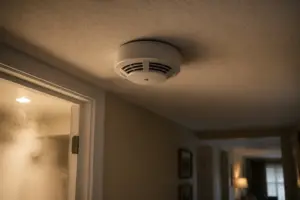
Photoelectric detectors work off a different principle: a light source, usually a red LED, is angled away from an internal photosensor. Smoke drifting into the chamber scatters that beam onto the sensor and triggers the alarm. Because this setup is tuned to catch large particles, it reacts faster than ionization sensing in smoldering scenarios and triggers far fewer false alarms from ordinary cooking. That’s the reason building scientists and fire departments, when forced to pick one technology over the other, tend to land on photoelectric.
Dual-sensor alarms fold both technologies into a single housing. On paper, that reads like the obvious answer. In real-world use, it’s a bit messier than the packaging lets on — and that nuance is exactly what comes next.
The Dual-Sensor Unit That Ended My Own Aisle Indecision
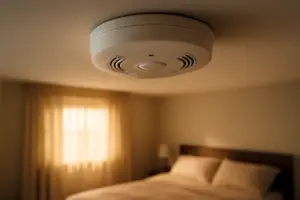
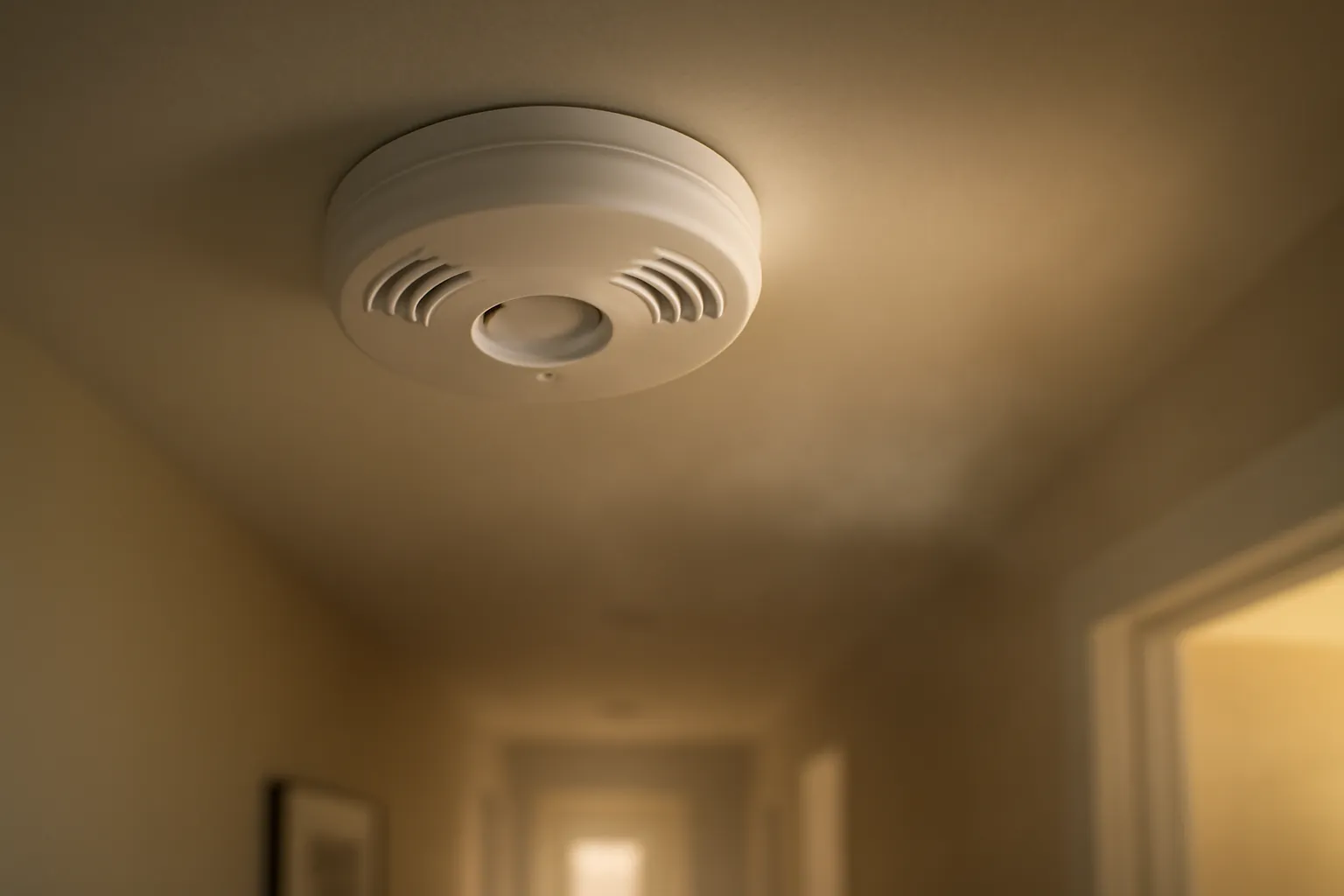
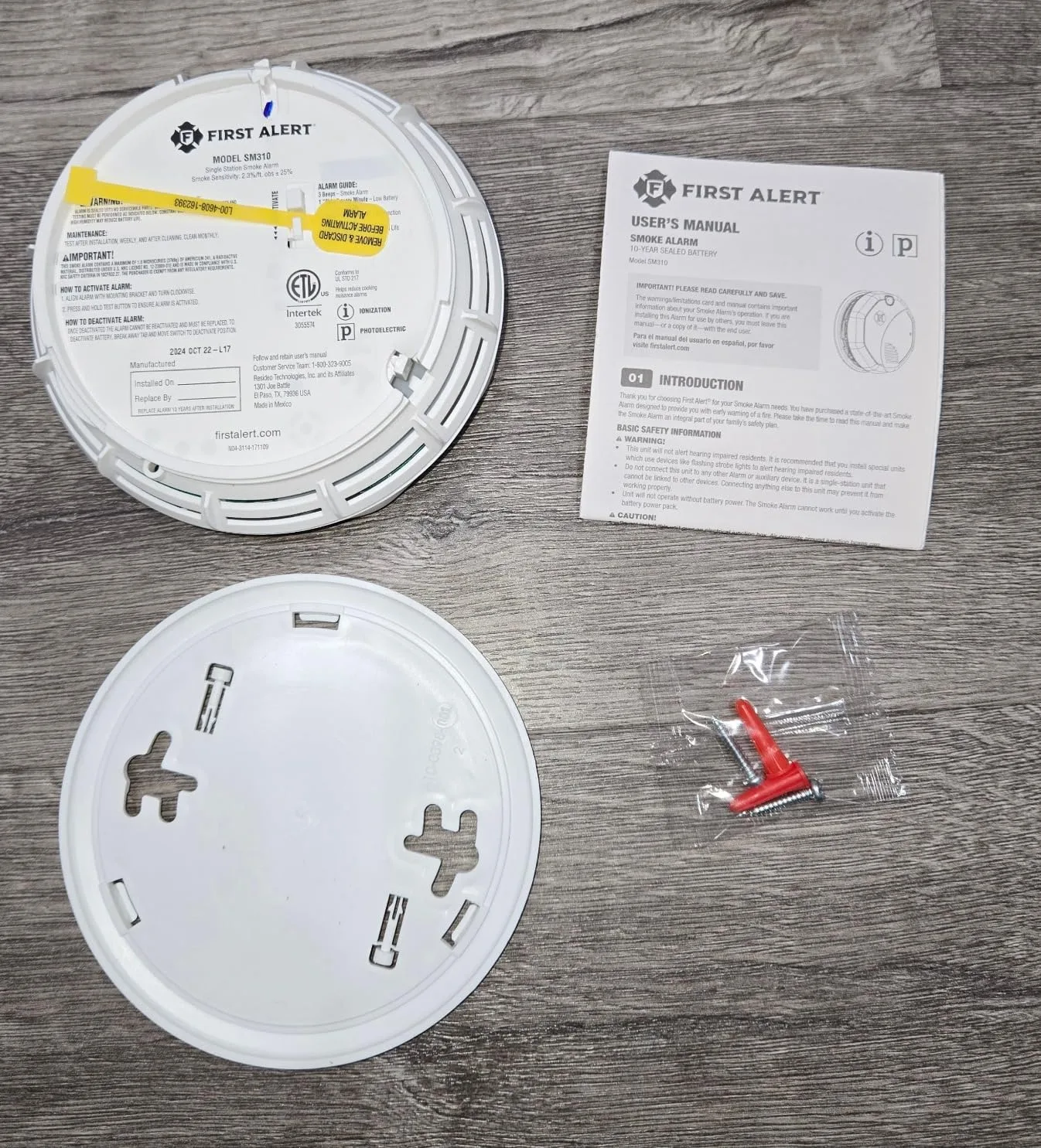
If you’ve found yourself in Karen’s shoes — or in mine, before my first dual-sensor install — you already know the bind: photoelectric alone can be blind to fast-flaming fires, while ionization alone is too slow on smoldering ones. Covering both scenarios means needing both technologies, and the First Alert SM310 is the unit that pulls this off without saddling you with yearly battery swaps.
Where it earns its keep
- A sealed 10-year battery eliminates the 2 a.m. chirp-hunting ritual entirely — mine’s been running three years untouched since installation.
- Combining both sensor types genuinely speeds up response to smoldering and flaming fires alike, which is exactly why fire safety engineers point people toward dual-sensor units for bedrooms and living areas.
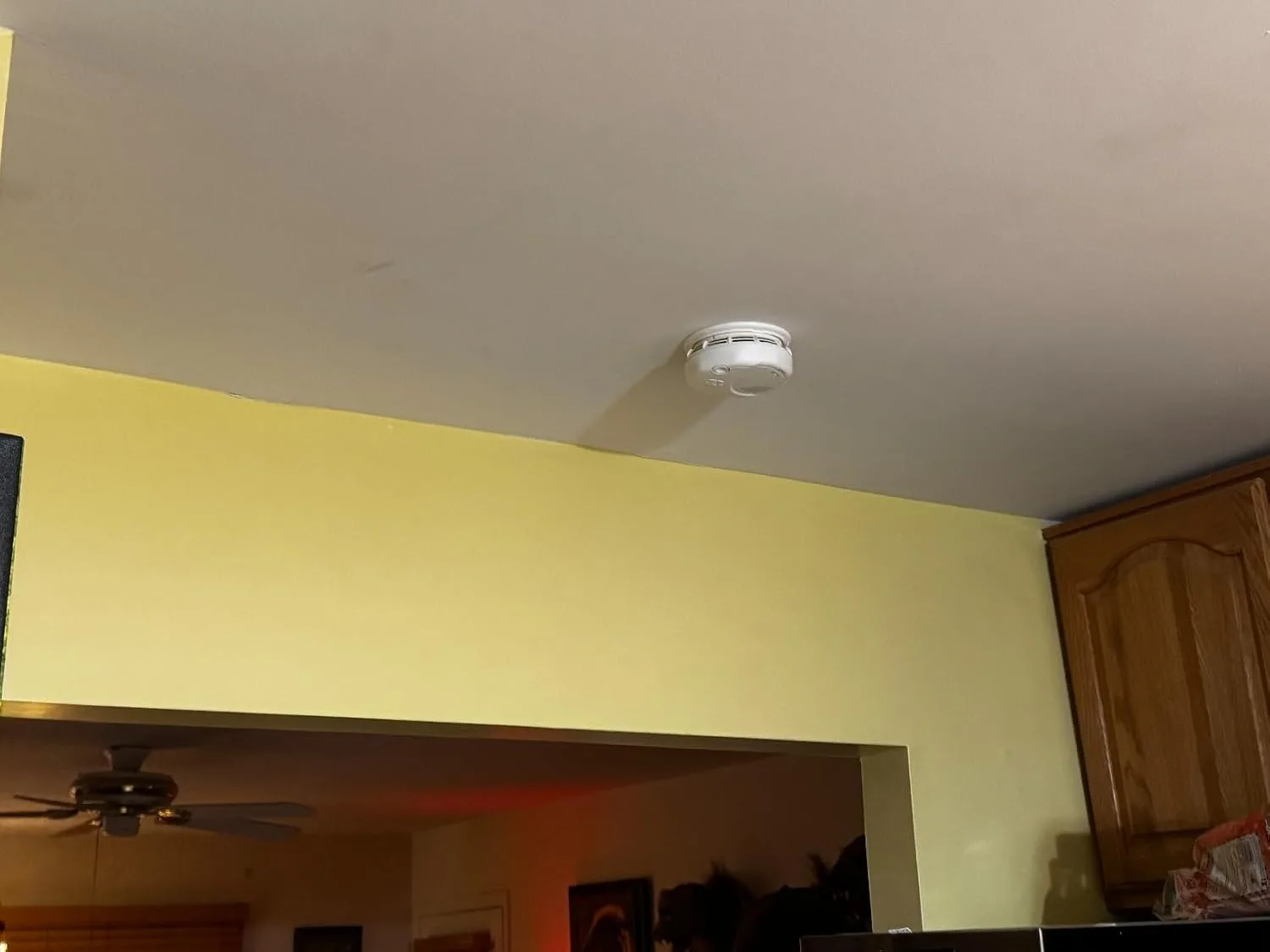
- Its slim profile sits nearly flush against ceiling drywall, avoiding the oversized “landing light” look some competing models have.
Where it falls short
- Because the battery is sealed inside, a malfunction means replacing the entire unit rather than just a battery — pricier at the outset, though it evens out cost-wise over the decade-long lifespan.
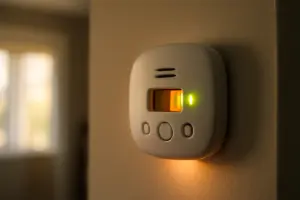
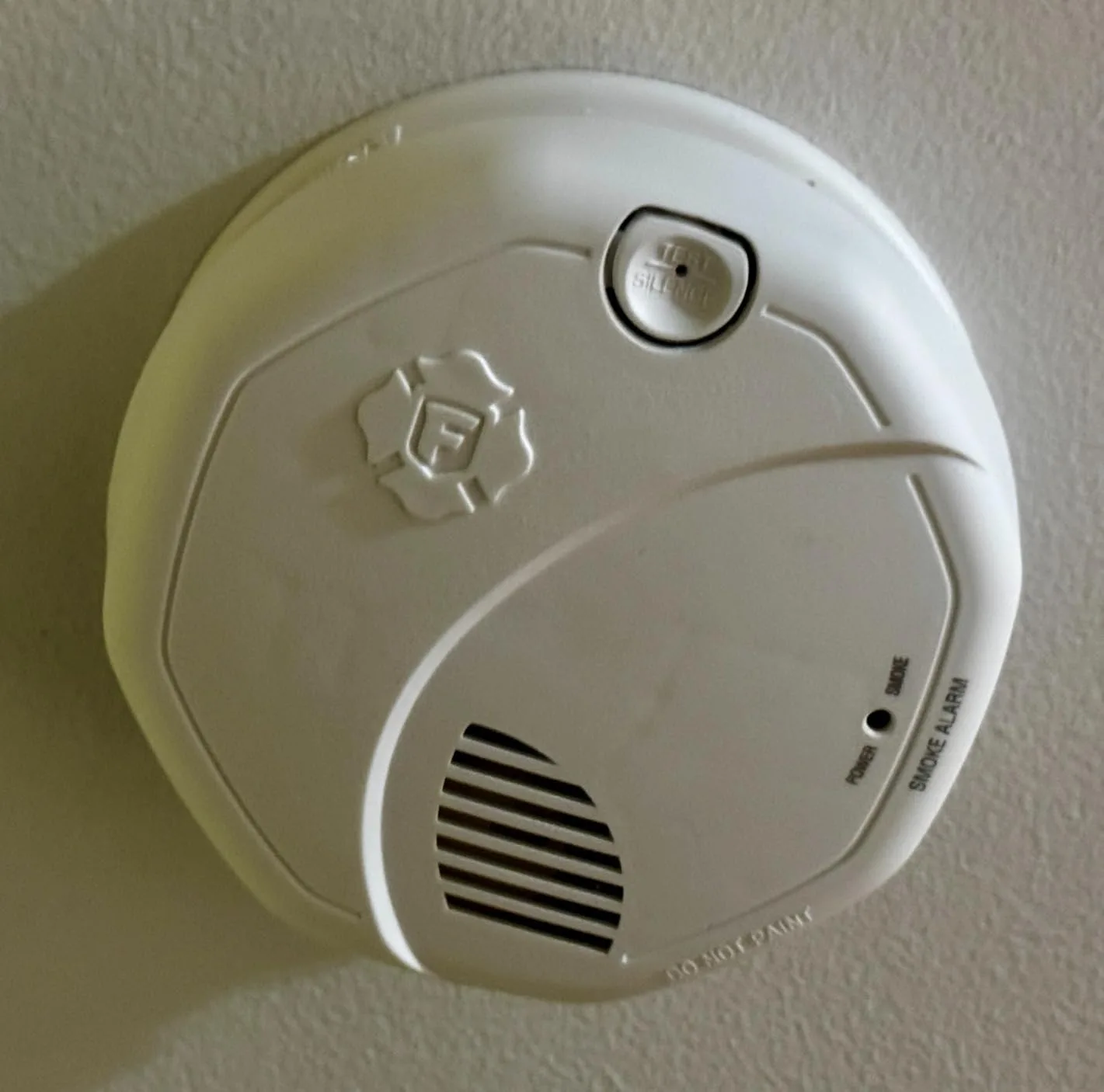
- You need a firm 3-second hold on the test button to trigger it, which is less intuitive than on some rival units — more than a few homeowners have told me they assumed theirs was broken.
I’ll admit: when I first priced these against the cheap ionization-only units, I almost talked myself into the $15 option—until I did the math on future replacements and remembered a close call at a rental property. Get the First Alert SM310 Dual Sensor Smoke Alarm with 10-Year Sealed Battery.
About This Article

Written by Dana Sorensen. Homeowner turned building-science obsessive. I help other homeowners understand attic insulation, ventilation, and air quality so they can stay comfortable year-round without overspending on energy bills. More about this site.
Scope and limits. Dana is a homeowner who studies building science, not an HVAC contractor or licensed tradesperson. Anything involving combustion appliances, gas lines, or electrical work belongs with a licensed contractor.
Verify this against a primary source
Specifics change, and your situation may differ from the one described here. These are the authorities worth checking directly:
- ENERGY STAR — recommended insulation R-values by climate zone
- U.S. Department of Energy — air sealing and insulation guidance
- EPA Indoor Air Quality — ventilation and indoor air quality standards