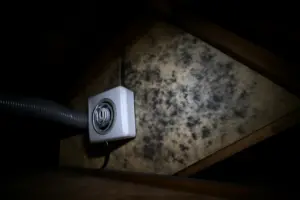
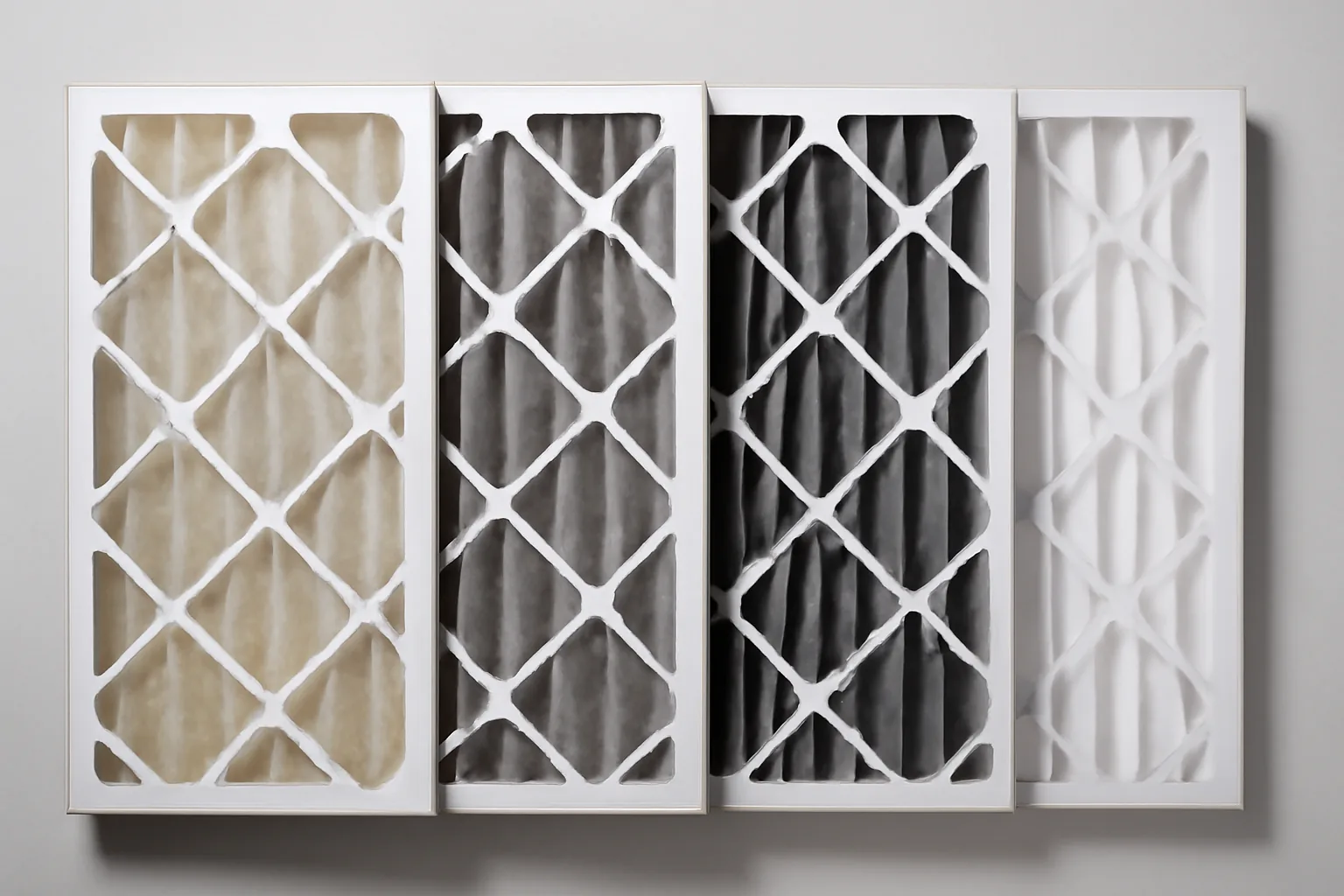
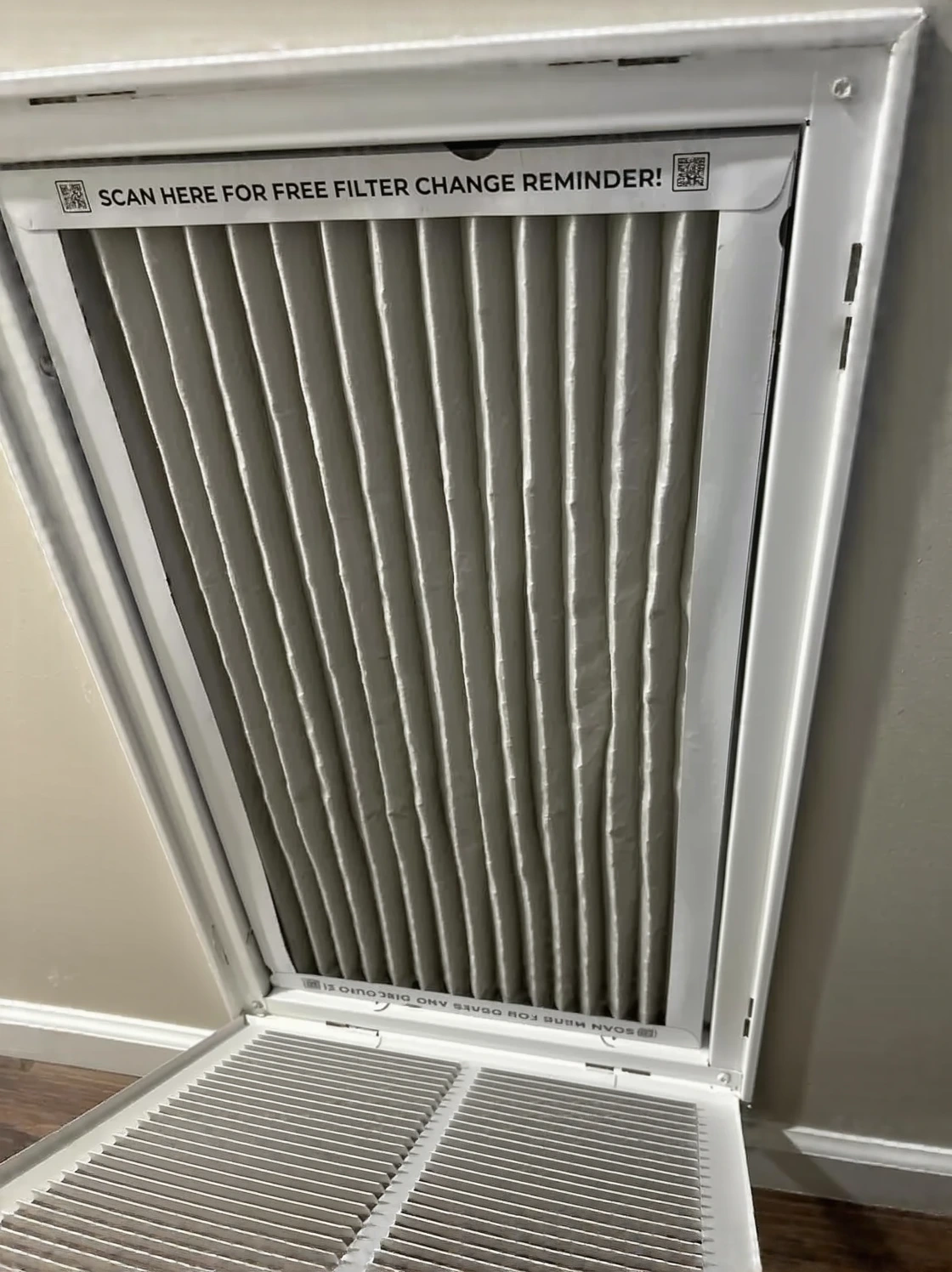
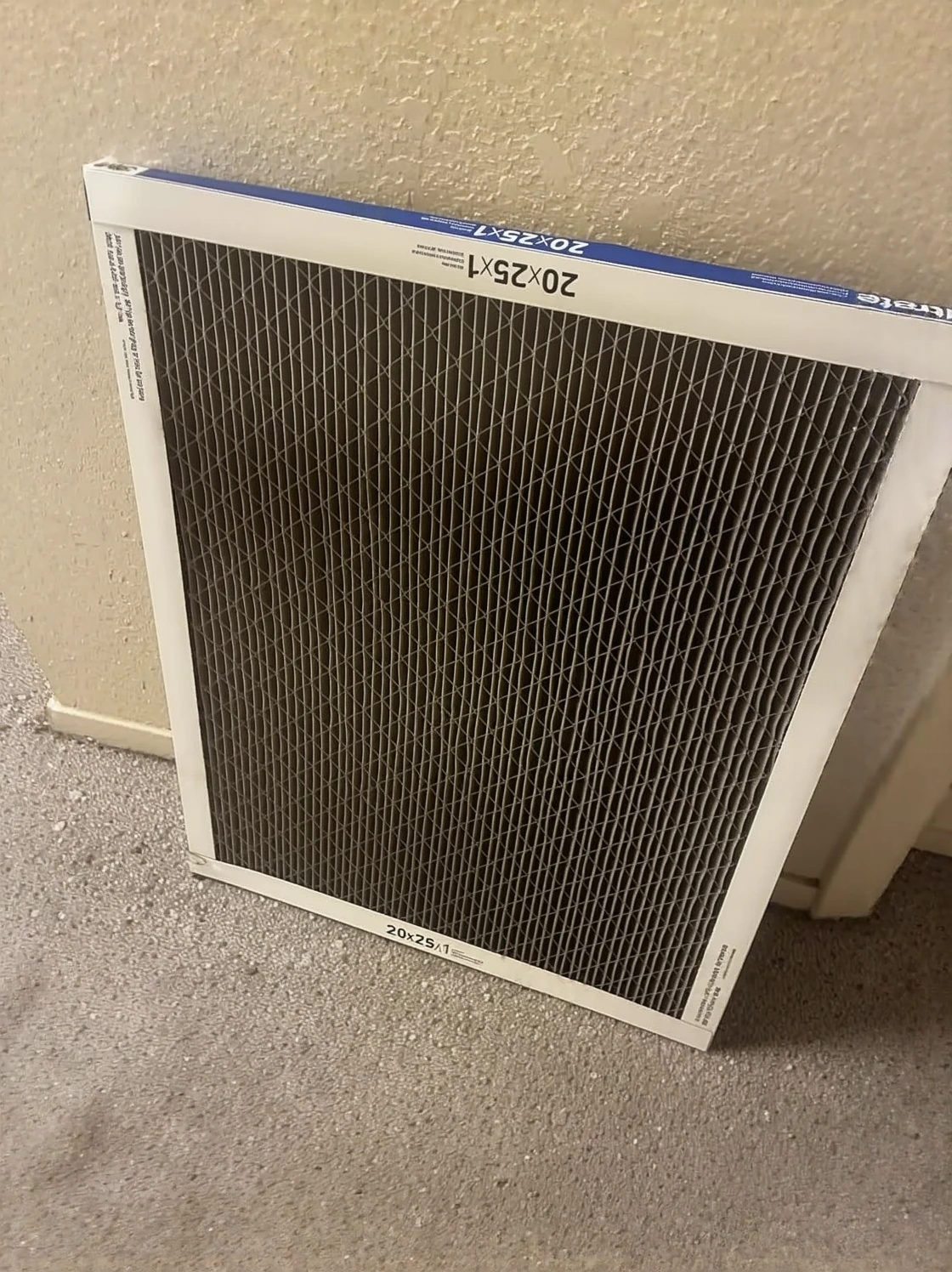
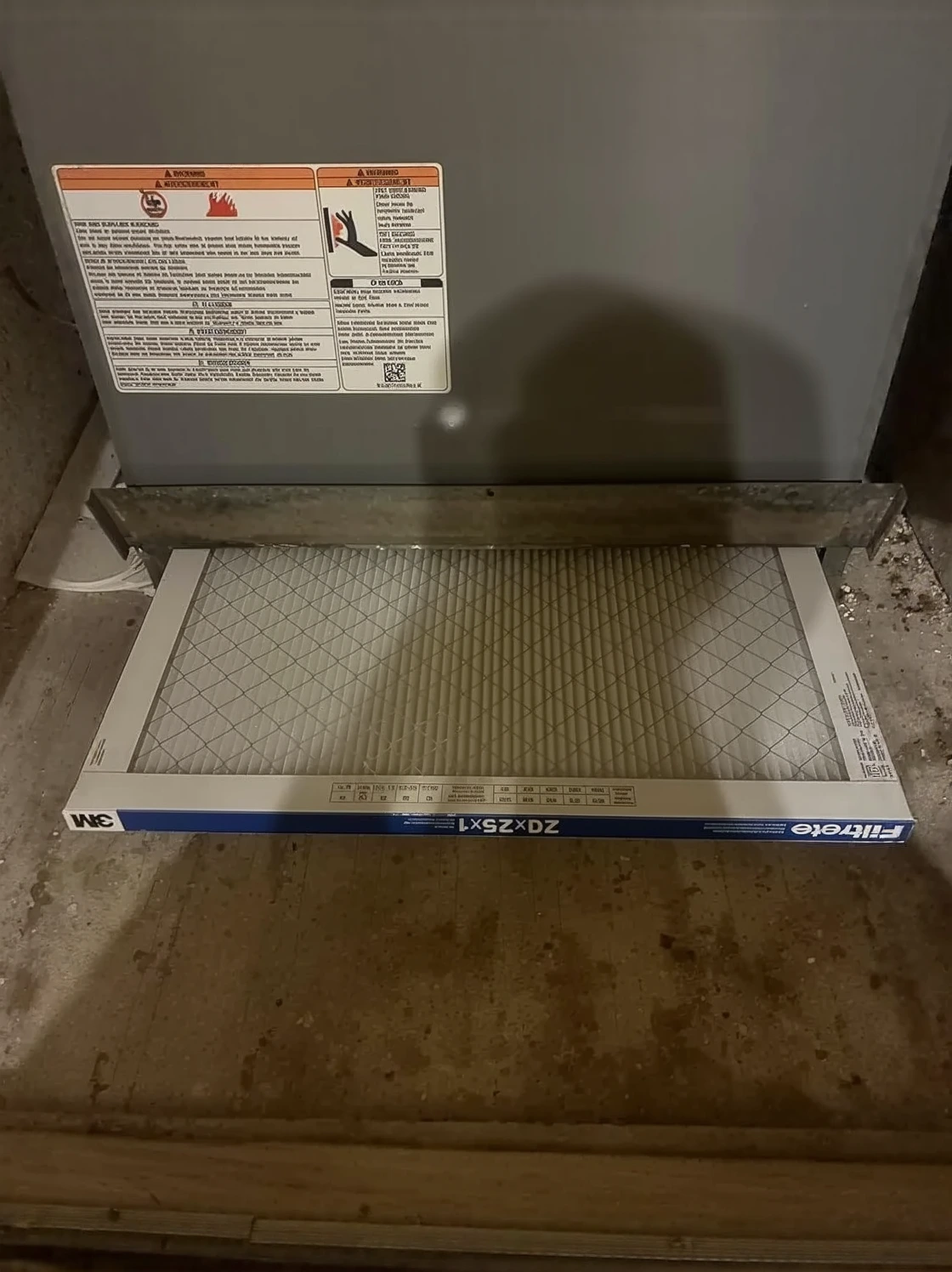
Picture this: a furnace filter pulled from its slot, coated so thick with gray fuzz it looks less like a filter and more like a wool blanket somebody forgot to wash for a decade. I’ve got that image saved on my phone, and I show it to almost every client who asks me why their system is struggling. The homeowner who owned that filter had called me in a full panic one January afternoon — her furnace had quit entirely, and she assumed the worst, some catastrophic mechanical breakdown. I popped the access panel and found the real story in about ten seconds. She’d grabbed the “best” filter on the shelf at the hardware store, a MERV 13, and then never once swapped it out. That decision alone put her within striking distance of a $1,200 blower motor replacement. So if you’ve been searching for what a MERV rating on an air filter actually means once you strip away the marketing language, you’ve landed in the right spot. I’m going to walk through it the same way I do standing in someone’s mechanical closet.
MERV is short for Minimum Efficiency Reporting Value — a standardized measurement built by ASHRAE (the American Society of Heating, Refrigerating and Air-Conditioning Engineers) to quantify how well a filter grabs particles floating around in your air. The scale runs 1 through 20, though nearly all residential filters land somewhere between MERV 4 and MERV 13. The higher the number climbs, the finer the filtration gets. Simple enough on its face. But the printed number on the box is only half the picture, and manufacturers rarely mention the other half.
What’s Actually Being Measured on the MERV Scale
The testing behind MERV ratings is spelled out in ASHRAE Standard 52.2, which grades filters against three separate particle-size bands: 0.3–1.0 microns, 1.0–3.0 microns, and 3.0–10.0 microns. A MERV 8 filter has to trap a minimum of 70% of particles in that largest band, 3.0–10.0 microns. A MERV 13 has to trap at least 50% of particles down in the 0.3–1.0 micron range — territory that includes fine dust, bacteria, and smoke particulate. These aren’t advertising claims pulled from thin air; they’re lab-tested thresholds.
Here’s the part that trips up nearly every homeowner I talk to. Push the MERV rating up, and the filter media gets denser — which means more resistance fighting against the airflow moving through it, something technicians measure as pressure drop. Your HVAC equipment was engineered around a specific volume of air movement, generally around 400 cubic feet per minute for every ton of cooling capacity. Drop in a filter too tight for that equipment, and the blower has to fight for every cubic foot, static pressure climbs, and usable airflow shrinks. Left unchecked, that strain wears down the motor and can leave your evaporator coil frozen solid come summer.
From what I’ve seen, most residential systems installed from 2000 onward do best somewhere between MERV 8 and MERV 13. Go below MERV 8 and you’re mostly filtering out large dust clumps and lint — not much else. Go above MERV 13 in a typical residential air handler, and more often than not you’re creating new headaches rather than solving old ones, unless the equipment was explicitly built to handle that load.
Breaking Down the MERV Numbers That Actually Change Your Air Quality
Here’s how I actually sort filter recommendations when I’m standing in front of a client’s system.
MERV 1–4: Not Worth Your Money
These basic fiberglass panels only stop the coarse stuff — visible dust clumps, big lint particles, carpet fibers. Their entire job is keeping your equipment safe from large debris; beyond that, they contribute essentially nothing to indoor air quality. I’ve watched these sell for a dollar or two apiece, and frankly, that price tag matches what you’re getting. If you’re living solo, no pets, no allergy issues on your radar, a MERV 4 will do the minimum job of protecting your blower. Anyone else should look higher.
MERV 5–8: The Dependable Middle Range
At MERV 8, you’re now catching dust mites, mold spores, pet dander, and the bulk of pollen particles. For a household with one occupant and no breathing concerns, this range does the job just fine. Expect to pay roughly $5 to $10 per filter, and the good news is most residential systems run these without any airflow penalty whatsoever. I steer clients with older equipment toward MERV 8 specifically — anything running a single-speed blower installed before 2010, since those units simply weren’t engineered with high-efficiency filtration in mind.
MERV 9–12: Worth the Upgrade in Most Homes
This tier begins pulling in smaller particulates: Legionella, lead dust, humidifier residue, and vehicle exhaust particles. If your home sits near heavy traffic, you’ve got kids managing asthma, or multiple pets sharing the house, jumping to MERV 10–11 makes a real difference. Plan on spending $10 to $18 per filter. Most equipment built after 2005 tolerates these ratings without issue, particularly if you’re staying disciplined with a 60- to 90-day swap schedule.
MERV 13: Where Residential Filtration Tops Out
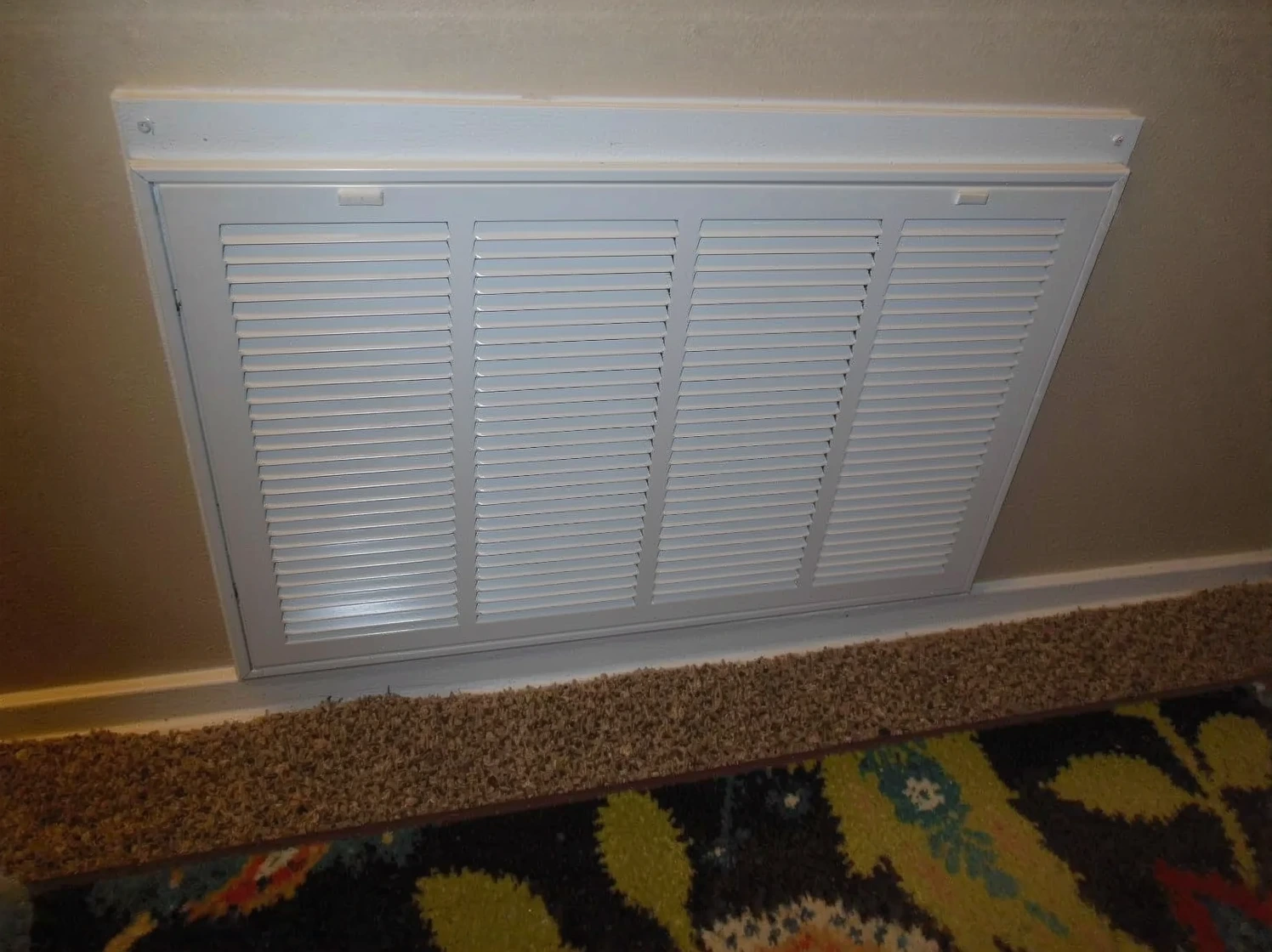
MERV 13 is the ceiling I’ll recommend for a typical residential setup. This is the level where you’re catching fine bacteria, smoke particulate, sneeze-generated droplet nuclei, and particles sitting in that 0.3–1.0 micron range. Both the CDC and the ASHRAE Epidemic Task Force pointed to MERV 13 as effective at cutting down airborne pathogen concentrations during the COVID-19 pandemic — that’s not a marketing footnote, that’s genuine real-world evidence. The catch, and it’s an important one, is that your equipment has to have the airflow headroom to support it. Got a 1-inch filter slot? You need a filter engineered specifically for 1-inch MERV 13 applications — not a bulky 4-inch media pack forced into a housing that was never built for it.
Where I Got This Wrong Myself, Early On
I won’t dress this one up. When I was newer to the trade, I operated on the assumption that a higher number was always the smarter call. I put a MERV 16 filter into a client’s 2.5-ton Carrier 58TP system because she dealt with severe allergies and wanted the cleanest air she could possibly get. I felt sure about the decision. Six weeks later, she called because the system had stopped cooling properly. I went back out, hooked up a manometer across the filter, and got a reading of 0.72 inches of water column — against a manufacturer maximum of 0.50. The coil had partially iced over, and the whole system was gasping for airflow.
That job taught me filter selection is fundamentally an engineering call, not simply a health-driven one. The filter’s resistance has to line up with what the system can actually handle. From that point forward, I started pulling equipment manuals before ever making a filter recommendation, and I never leave for a service call without a digital manometer in the truck. It reshaped how I approach every job.
That’s exactly why I tell every single client now: the best filter is the highest-rated one your particular system can run without choking off its own airflow. For most of the homes I walk into, that lands squarely at MERV 13 in a standard 1-inch slot — provided it actually gets swapped on schedule.
Why a 6-Pack Beats Buying Filters One at a Time
Tracking down a MERV 13 filter was never the hard part — the hard part is actually remembering to swap it before it turns into that gray wool-blanket mess. Stocking up in bulk means you’ve always got a fresh one waiting, which eliminates the excuse for letting a change cycle slide.
The upside
- A six-pack covers a full year on a 2- to 3-month rotation, so there’s no last-minute scramble to the hardware store once you finally remember the furnace exists.
- The common 20x20x1 dimension fits the majority of residential systems, so you’re not stuck cross-referencing five different sizes before ordering.
- Cost per filter drops noticeably versus buying one at a time, which keeps you from rationalizing a skipped change to save a few bucks.
The downside
- A stockpile eats up closet space, and if your system doesn’t take the standard dimension, you’ll end up with a handful of extras collecting dust.
- A MERV 13 clogs faster than a mid-range filter regardless of how many you have on the shelf — buying in bulk only fixes the “I forgot” issue, not the “my HVAC is working overtime” issue if you slack on the schedule.
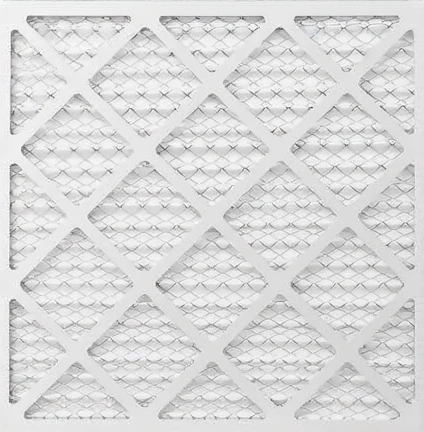
I bought my first 6-pack thinking bulk savings would be enough to keep me honest, only to realize halfway through year two that I’d still let three changes slide because life got busy. Simply 20x20x1 Air Filter, MERV 13, 6-Pack works best when you write the change dates on the box itself—that visual cue matters more than you’d think.
About This Article

Written by Dana Sorensen. Homeowner turned building-science obsessive. I help other homeowners understand attic insulation, ventilation, and air quality so they can stay comfortable year-round without overspending on energy bills. More about this site.
Scope and limits. Dana is a homeowner who studies building science, not an HVAC contractor or licensed tradesperson. Anything involving combustion appliances, gas lines, or electrical work belongs with a licensed contractor.
Verify this against a primary source
Specifics change, and your situation may differ from the one described here. These are the authorities worth checking directly:
- ENERGY STAR — recommended insulation R-values by climate zone
- U.S. Department of Energy — air sealing and insulation guidance
- EPA Indoor Air Quality — ventilation and indoor air quality standards