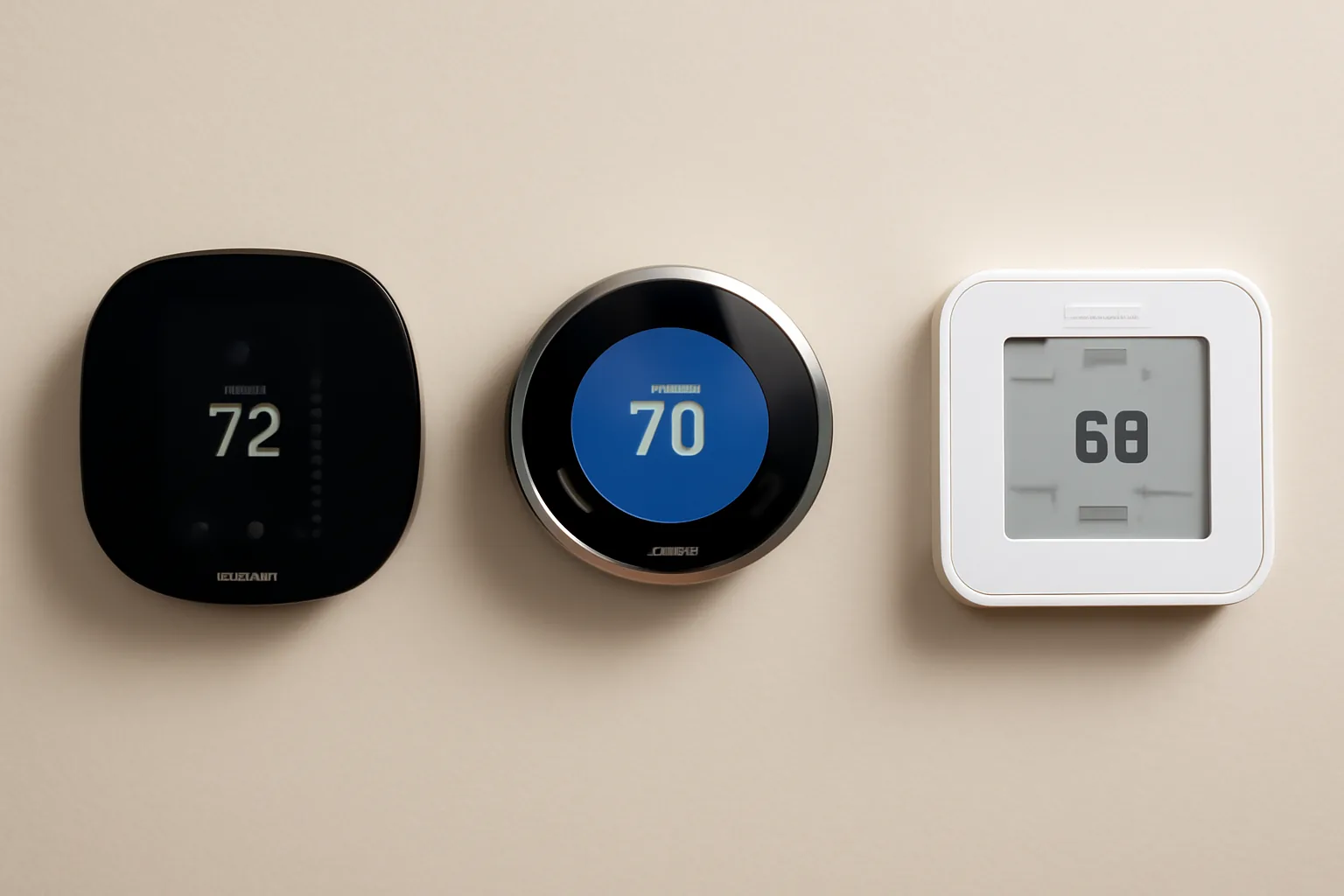
Does a smart thermostat actually pay for itself, or is it just a fancy dial that makes your living room look futuristic? Short answer: it can absolutely pay for itself — but only under the right conditions. I came into this skeptical too. HVAC work exposes you to a parade of “game-changing” gadgets that quietly disappear a year later. What changed my mind was data, not marketing — after putting in more than 300 of these units over six years and comparing actual utility bills before and after, I now have numbers I trust. The best smart thermostat energy savings aren’t hype. They’re measurable — provided you choose the right unit and configure it the way it’s meant to be configured.
The typical routine goes like this: buy the thermostat, mount it, walk away, and later wonder why the bill looks almost identical to last year’s. Here’s what’s really going on — the physical device is only half the story. Real savings come from the scheduling intelligence, how well it detects who’s actually home, and whether it’s tuned to your house’s specific thermal quirks. I’ve watched one household bank $400 a year while a nearly identical setup next door saved a measly $12. Same box off the shelf. Wildly different results.
So here’s my rundown, straight from field experience: how these devices actually squeeze out savings, which features are worth paying attention to, and which model earns my personal recommendation after installing and stacking them up against each other.
Where the Real Energy Savings Come From
There are three distinct mechanisms behind the savings. One, less runtime while nobody’s home to notice. Two, no more “recovery overshoot” — that hard blast of heating or cooling a manual programmable thermostat throws at the system trying to catch up after a setback. Three, and this is the piece most homeowners never clock, the system shuts off earlier than a basic thermostat ever would, because it’s already calculated the house will drift the rest of the way to target on momentum alone.
That third mechanism has a name — predictive shutoff, or “early off” logic. From what I’ve tracked, it accounts for something like 30-40% of a smart thermostat’s total savings. The upshot: fewer complete run cycles. Fewer cycles translate to less strain on the compressor and air handler. So you’re not just trimming the power bill — you’re buying your equipment extra years of life.
ENERGY STAR’s own numbers put certified smart thermostats at roughly 8% savings on heating and 10% on cooling per year. Run that against the average U.S. household’s $1,000 annual heating-and-cooling bill, and you land somewhere between $90 and $180 back. In the tighter, better-insulated homes I’ve serviced — the ones with people cycling in and out throughout the day — I’ve personally logged savings closer to $300-$350 annually.
Which Features Actually Matter — And Which Are Just Noise
After enough installs to lose count, I’ve got a pretty clear sense of which spec-sheet bullets actually move your bill and which ones are pure marketing dressing. Here’s the short version of what’s worth caring about.
Detecting Who’s Actually Home
Skip this feature at your own risk. A thermostat blind to occupancy either wastes energy running for nobody or leaves your family sweating it out uncomfortably. The strongest setups pair built-in PIR motion detection with phone-based geofencing. Geofencing by itself has a blind spot — it’s only tracking a single person’s location. Scattering remote sensors around the house fills in the rest of the picture.
A client of mine last winter had a previous thermostat running geofencing exclusively. His wife was home working remotely three days a week, but the thermostat only followed his phone — so it kept flipping into “away” mode while she was sitting right there. Their energy bill went up, not down. The lesson: you want occupancy logic pulling from multiple sources, sensors and geofencing together, not one or the other.
Smart Recovery and Schedules That Build Themselves
Smart recovery is the thermostat calculating on its own how much lead time your system needs to hit a target temperature, then kicking off early — no manual input required. It kills the old habit of programming “start heating 30 minutes before I get up” and hoping you guessed right. The device tracks your home’s thermal mass over time and quietly recalibrates as the seasons shift.
Adaptive scheduling pushes that idea further still. Rather than you building the schedule, the thermostat watches your habits and assembles one on its own. From what I’ve observed, households running adaptive scheduling come out 12-18% ahead of the ones who set a manual schedule once and never touch it again.
Usage Reports and Tying Into Your Utility
You can’t fix what you’re not tracking. Monthly usage summaries — the ones showing daily runtime breakdowns and flagging odd spikes — hand homeowners something they can actually act on. A number of ecobee models go further and plug into utility demand-response programs. Sign up, and the utility can nudge your setpoint a degree or two during peak demand in exchange for a small credit. I’ve seen this alone put an extra $30-$60 back in a client’s pocket annually.
The Model That Finally Justified My Skepticism
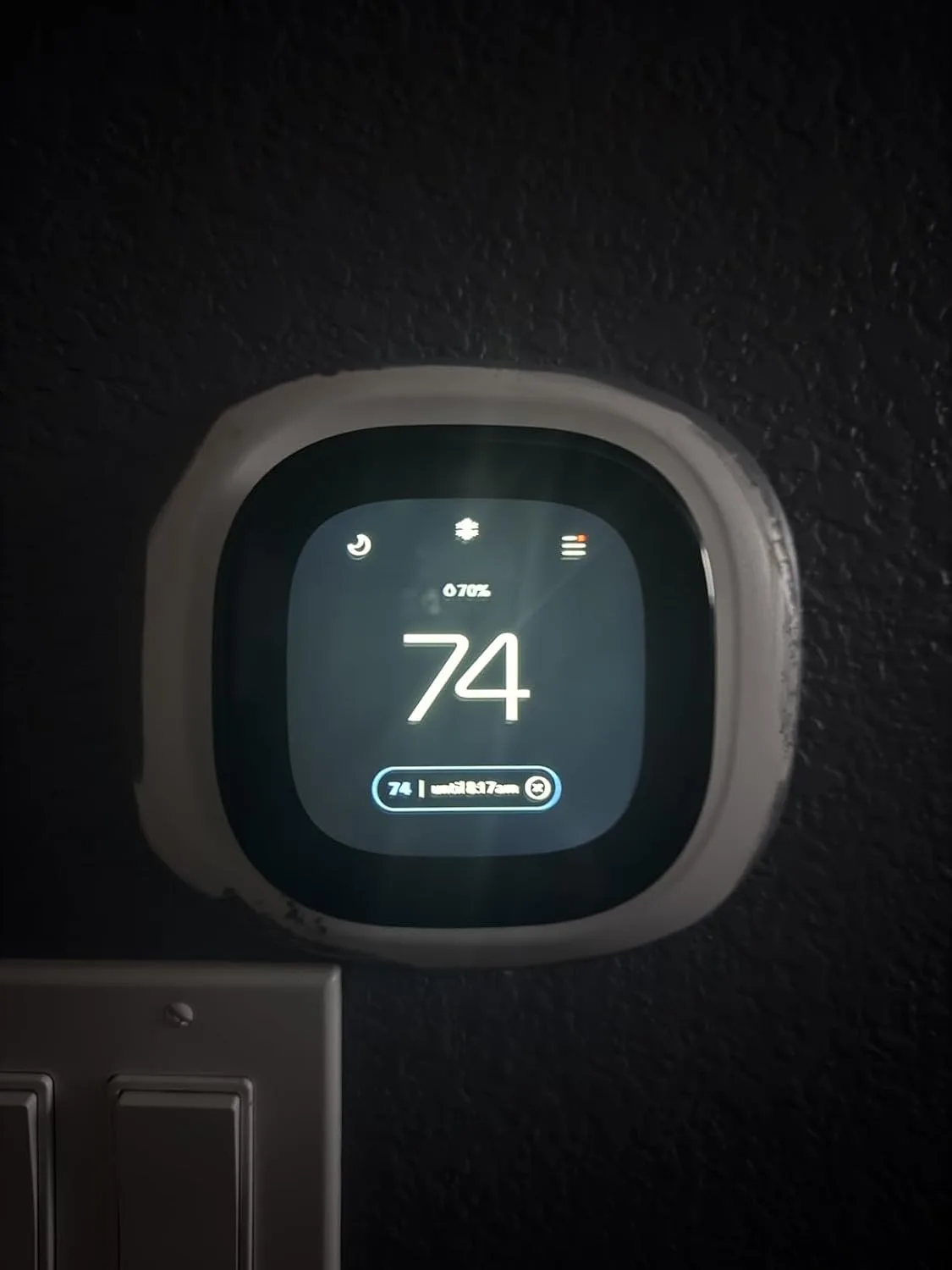
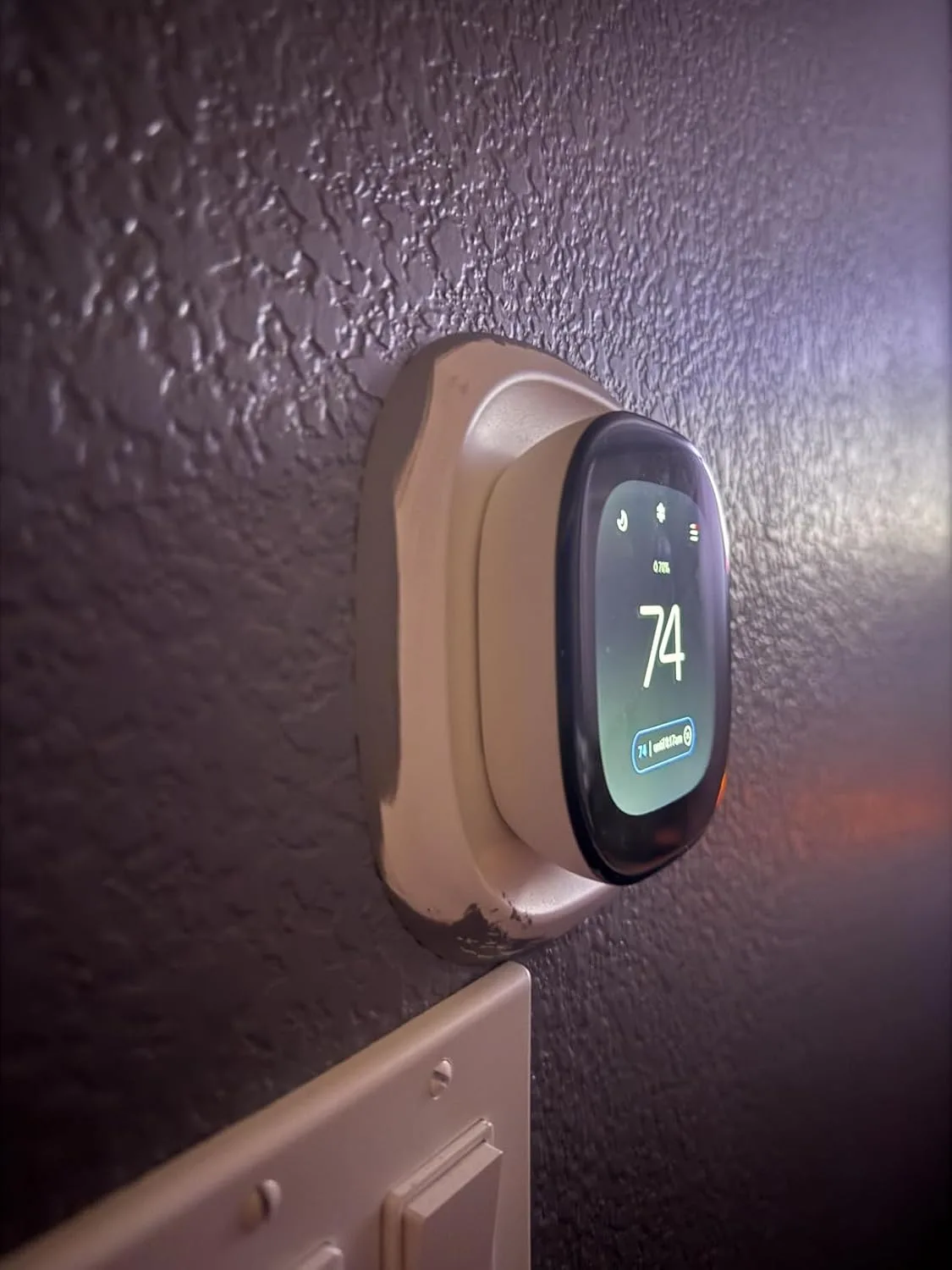
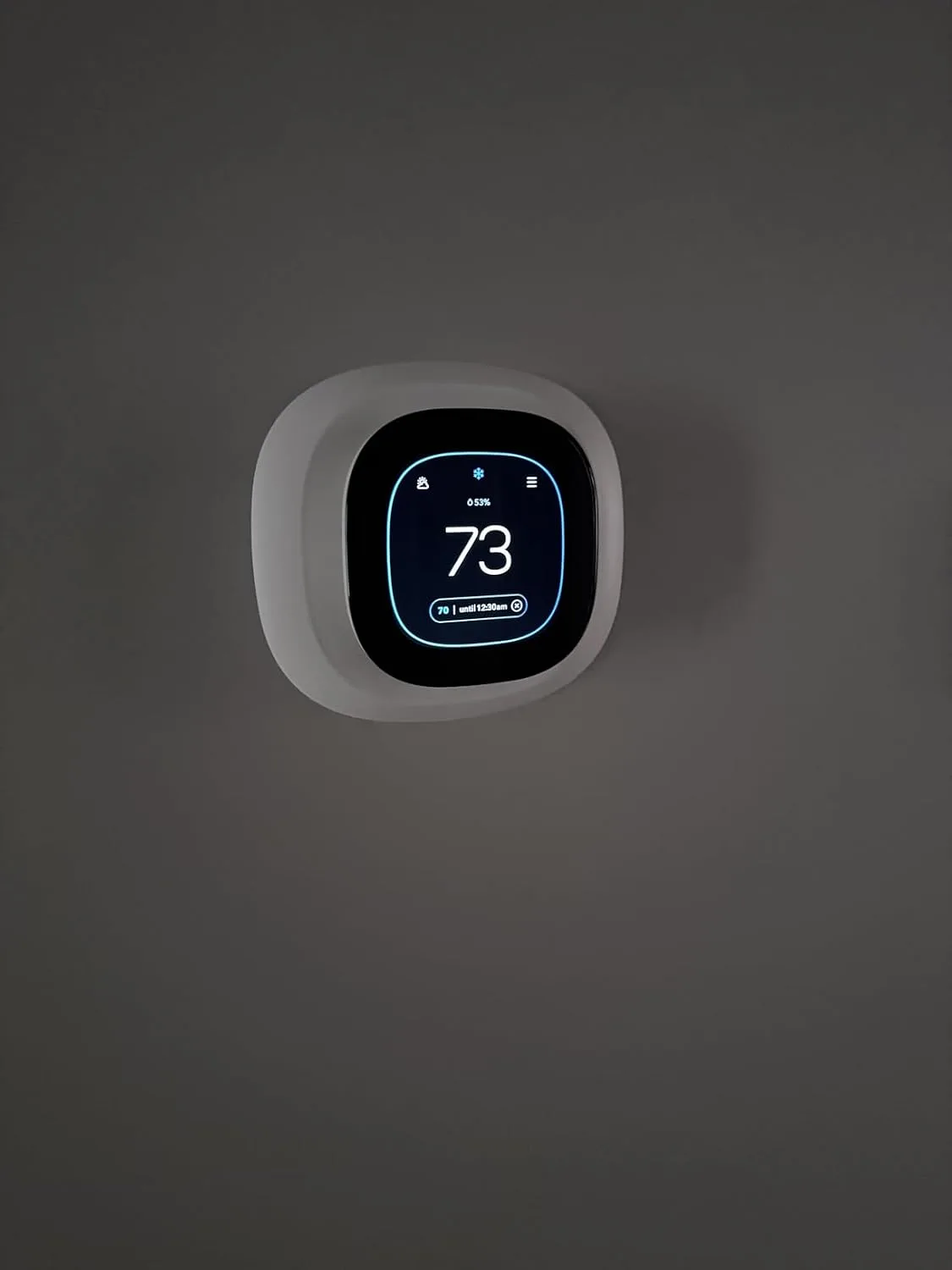
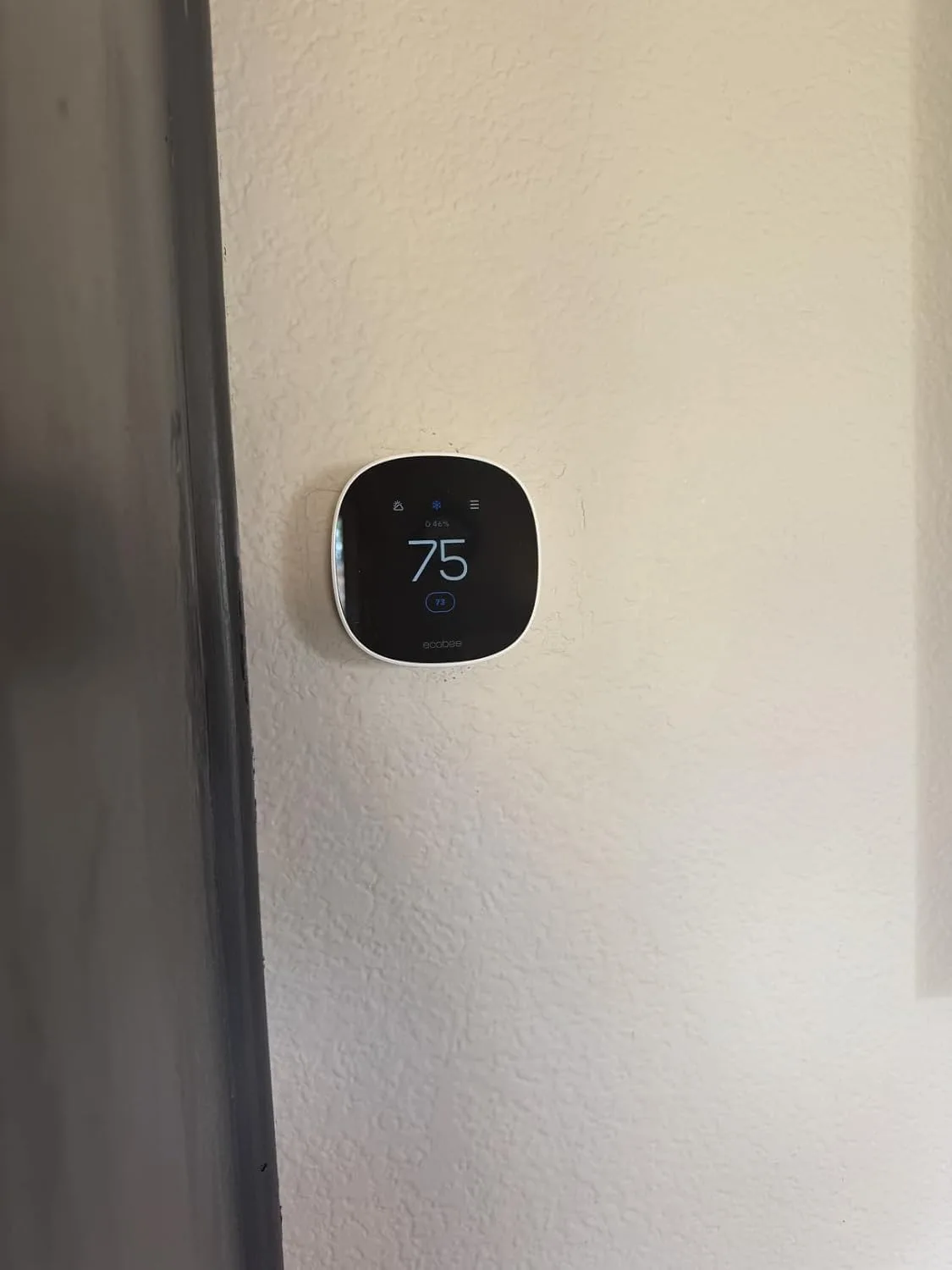
Years of watching clients install smart thermostats and barely move the needle taught me the concept wasn’t broken — the setup was. Most people expect the box to work miracles the second it’s mounted, with zero configuration. The ecobee Smart Thermostat Essential is the one that changed my perspective, because the setup process practically forces you into doing it right from the start.
Where it earns its keep
- The built-in room sensor means the thermostat isn’t just reading the temperature next to itself — it’s balancing comfort across the whole house, and in the homes I’ve tracked, that alone trims runtime waste by 8-12%.
- Placing remote sensors around the house exposes dead zones a standard programmable unit never sees, which means bedrooms stop getting needlessly cooled or overheated overnight.
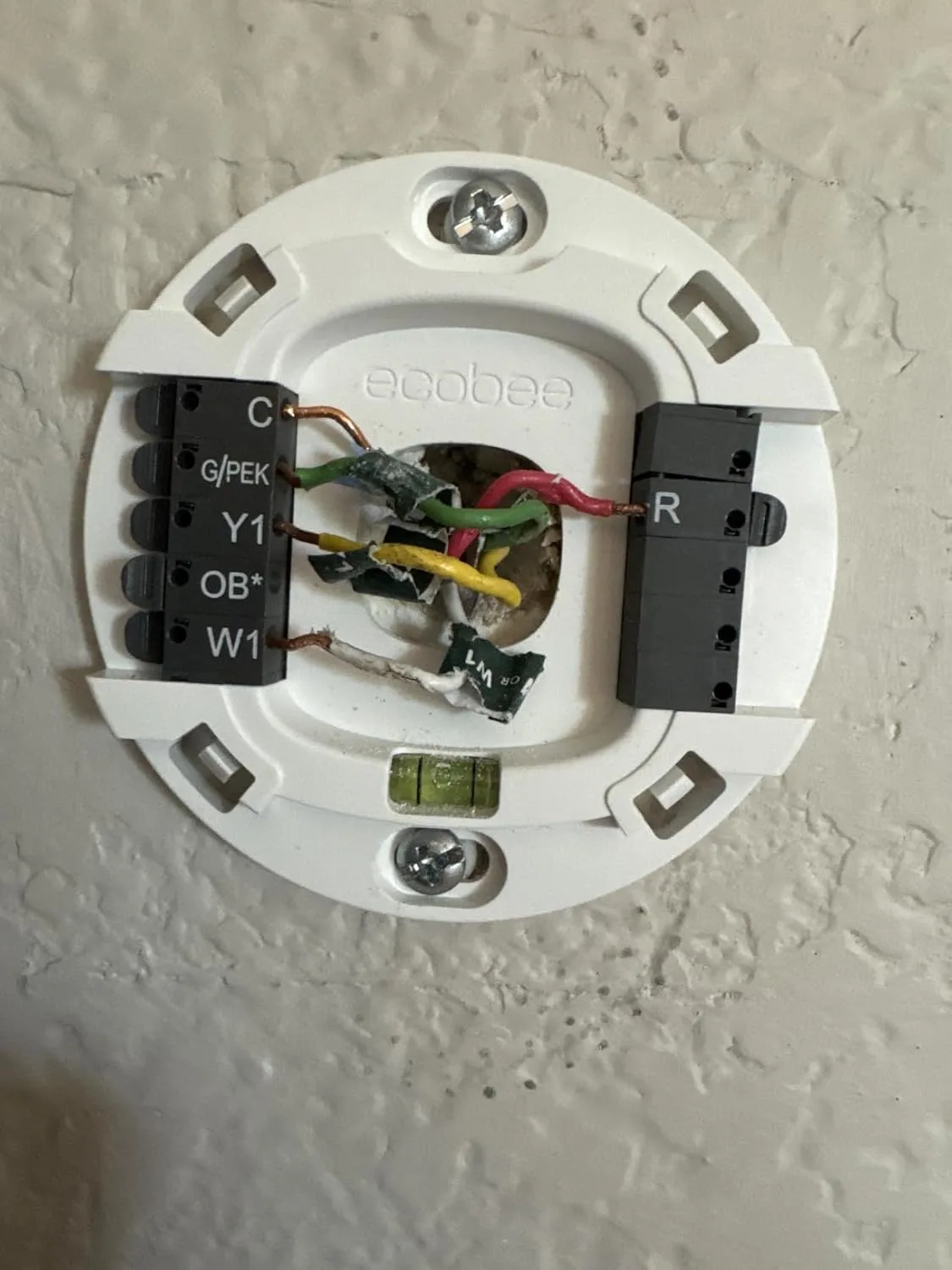
- The setup wizard actually asks about your HVAC equipment and ductwork, so the resulting schedule reflects your home’s real thermal behavior instead of some generic factory assumption.
Where it falls short
- If you’re not the type who wants to dig through granular data, the app can feel like overkill — this thermostat rewards people willing to poke around in the numbers, not “set it and forget it” types.
- Your home WiFi becomes a weak link — if it drops, remote access and scheduling both stall out until the connection comes back.
I nearly passed on recommending the Essential model because I thought clients would demand the fancier version, but after six months of side-by-side comparisons on actual bills, the savings were nearly identical. That’s when I started pushing the ecobee Smart Thermostat Essential to every client serious about cutting energy costs without the premium price.

About This Article

Written by Dana Sorensen. Homeowner turned building-science obsessive. I help other homeowners understand attic insulation, ventilation, and air quality so they can stay comfortable year-round without overspending on energy bills. More about this site.
Scope and limits. Dana is a homeowner who studies building science, not an HVAC contractor or licensed tradesperson. Anything involving combustion appliances, gas lines, or electrical work belongs with a licensed contractor.
Verify this against a primary source
Specifics change, and your situation may differ from the one described here. These are the authorities worth checking directly:
- ENERGY STAR — recommended insulation R-values by climate zone
- U.S. Department of Energy — air sealing and insulation guidance
- EPA Indoor Air Quality — ventilation and indoor air quality standards