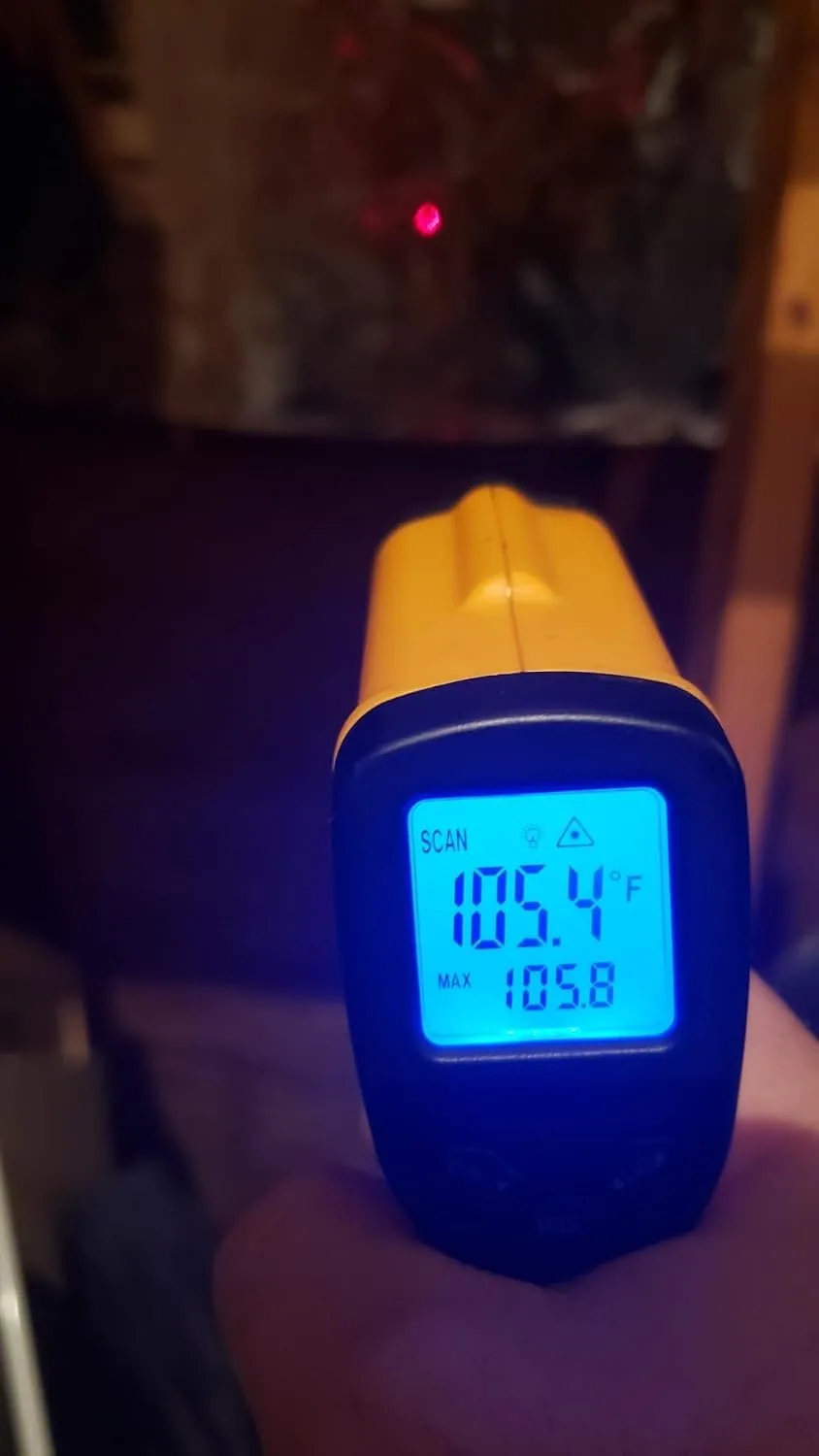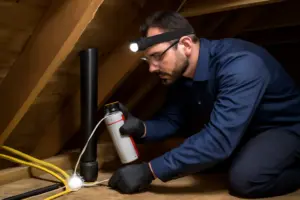
I’ve been crawling around in hot attics for over a decade, and the question I get more than almost any other is this: do radiant barriers actually work, or are they just shiny snake oil? Last summer, I finally ran my own radiant barrier attic hot climate test with real temperature probes, real data, and real money on the line. The results surprised even me — and I went in as a skeptic.
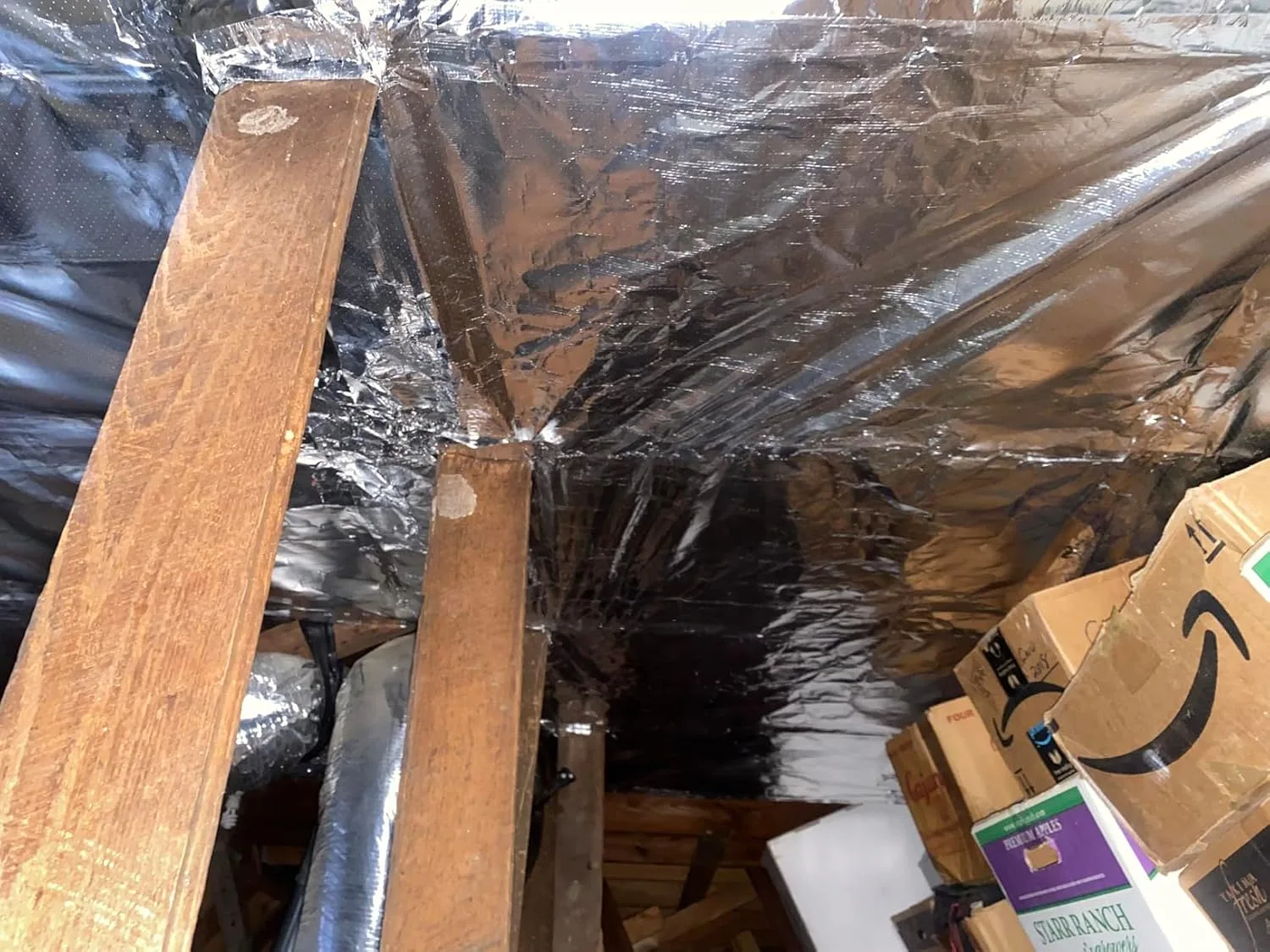
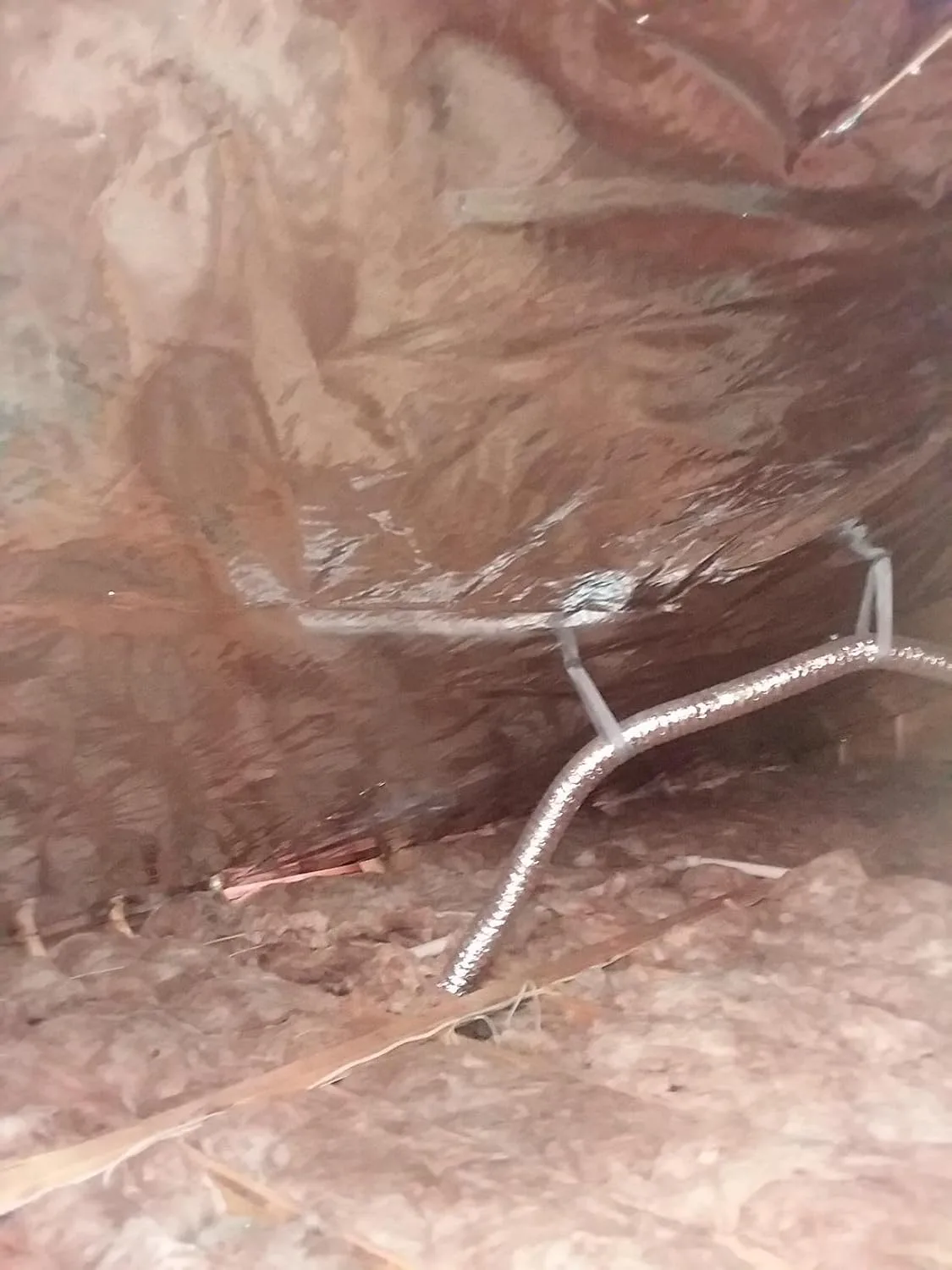
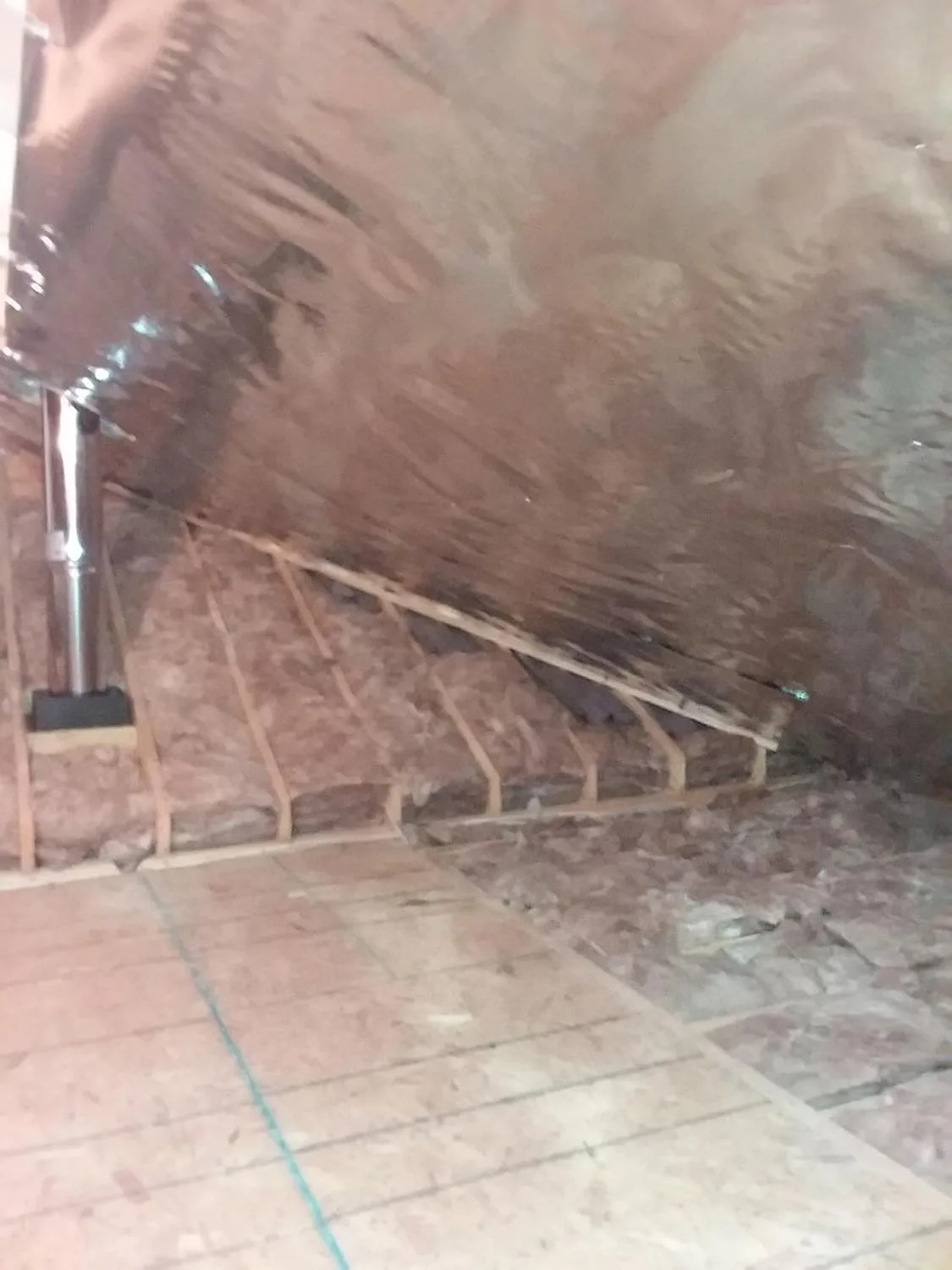
Here’s what triggered the experiment. A client in Tucson called me frustrated. She’d had a radiant barrier stapled to her rafters three years earlier by a previous contractor. Her energy bills were barely lower, and her upstairs rooms still felt like a sauna in July. She was convinced the whole thing was a scam. When I got up in that attic with my thermal camera, I understood immediately what had gone wrong — and it had nothing to do with the product itself.
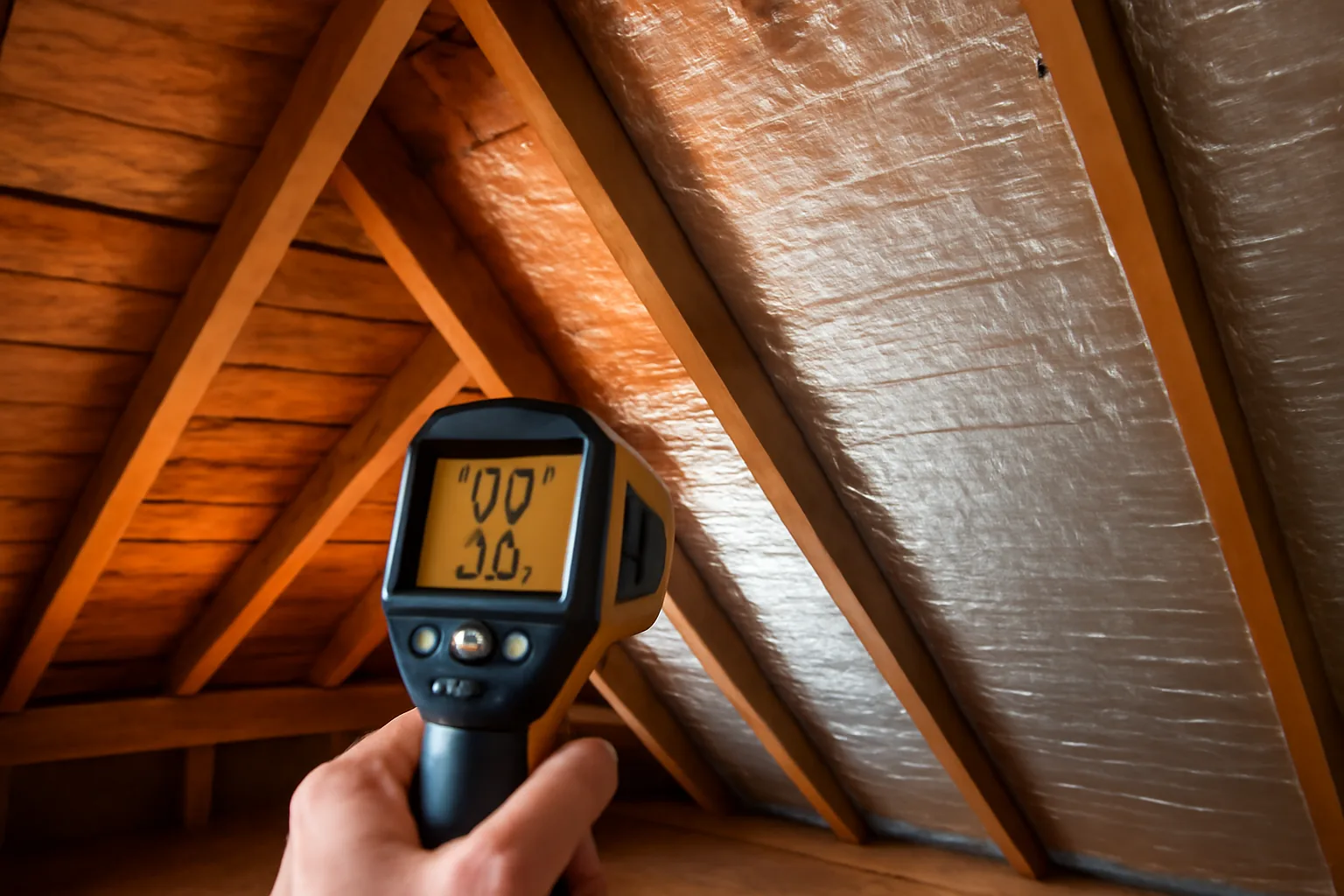
That visit sent me down a rabbit hole. Over the next several months, I tested radiant barriers in four different attics across Arizona and Nevada. I used data loggers, infrared thermometers, and utility bill comparisons. This post is what I found — including the honest truth about when radiant barriers deliver real savings and when they don’t.
What a Radiant Barrier Actually Does (and Doesn’t Do)
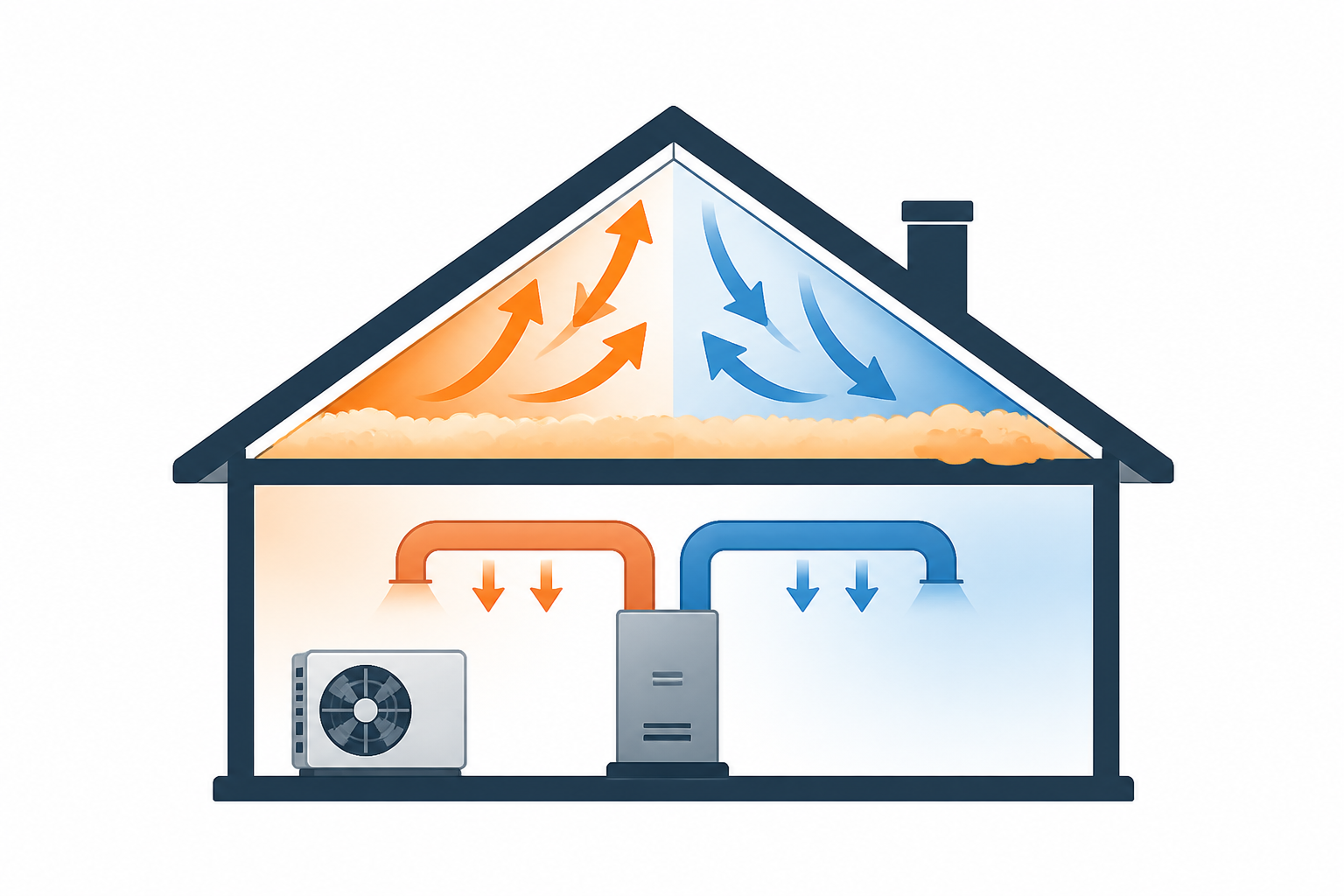
A radiant barrier doesn’t insulate in the traditional sense. It doesn’t slow conductive heat transfer the way fiberglass batts or spray foam do. Instead, it reflects radiant heat — the infrared energy radiating off your hot roof deck. On a 105°F Arizona afternoon, that roof deck can hit 160°F or higher. Without a barrier, that heat radiates straight down onto your attic floor insulation and gets absorbed.
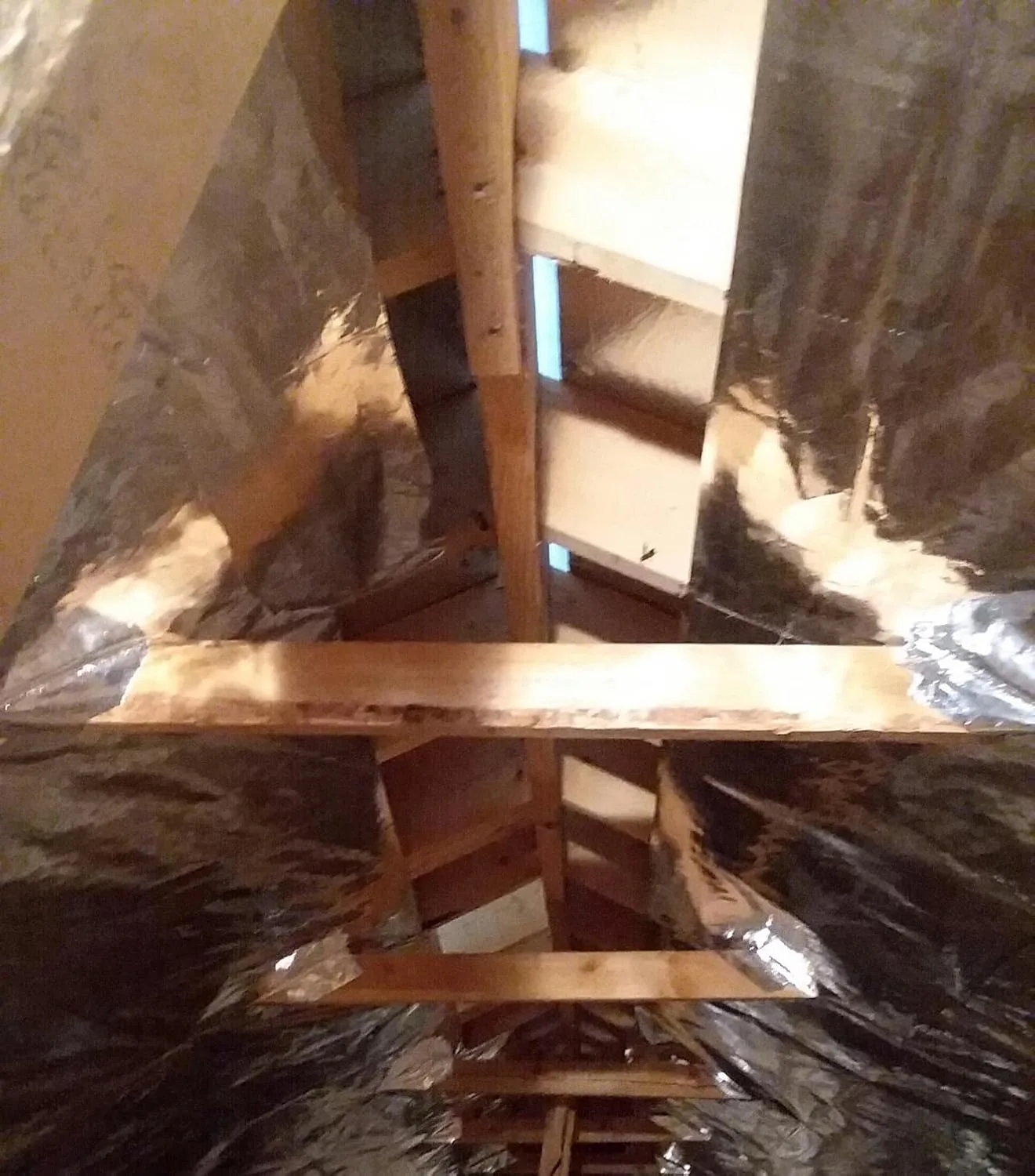
With a properly installed radiant barrier facing an air gap, you can reflect up to 97% of that radiant heat. That’s not a marketing claim — it’s physics. The DOE’s Oak Ridge National Laboratory has published extensive research confirming these reflectance values for aluminum foil-based barriers. The key phrase is “facing an air gap.” That detail matters enormously, and it’s where most bad installations fail.
In my client’s Tucson attic, the contractor had sandwiched the barrier between two layers of insulation with no air gap on either side. Radiant barriers need at least a 1-inch air space on the reflective face to work. Buried in insulation, it’s basically useless foil. That was her $800 mistake — and unfortunately, it’s more common than it should be.
The Barrier That Actually Showed Up in My Temperature Data
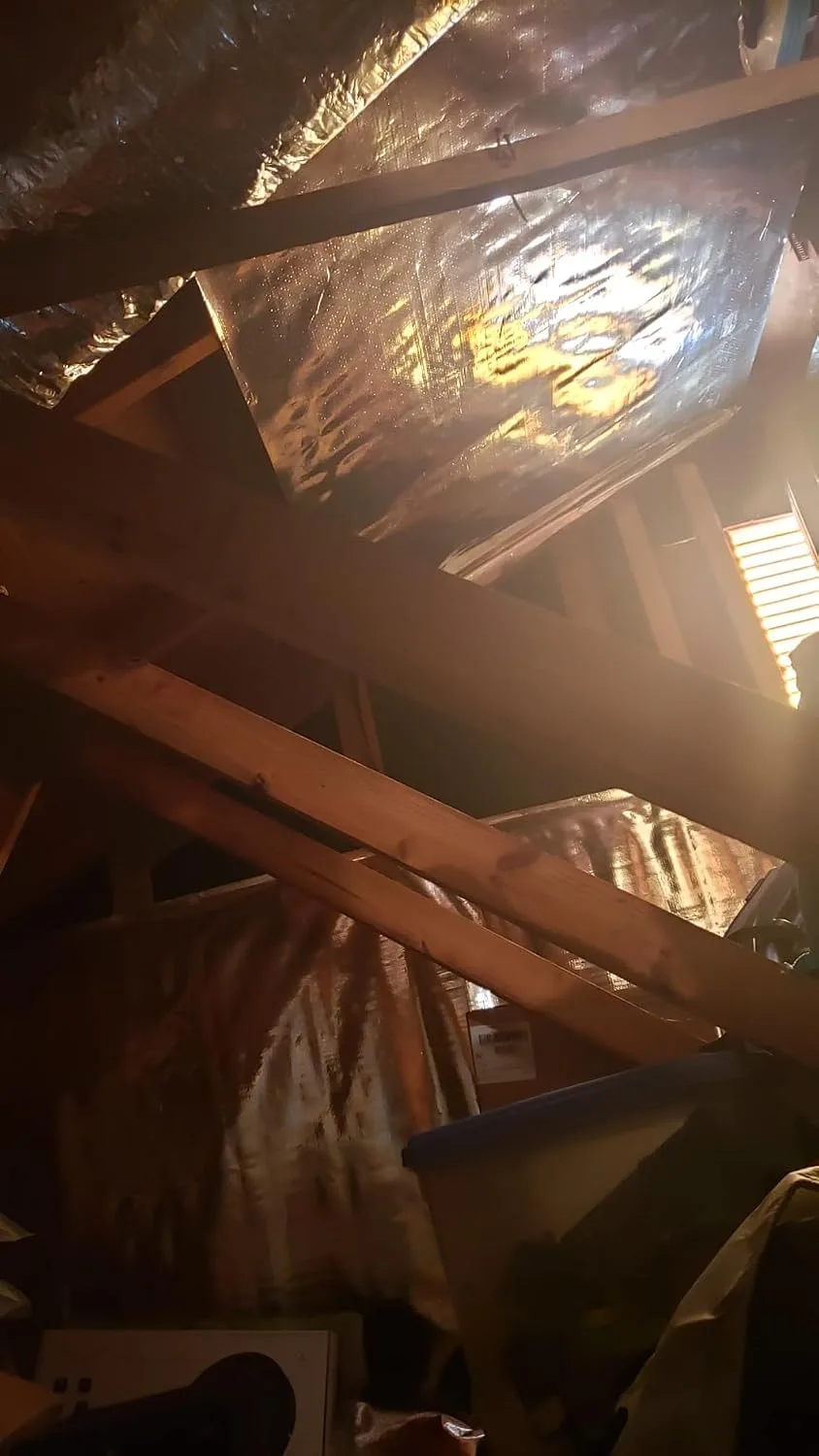
When you’re testing radiant barriers in a real Tucson attic with real temperature probes, you need a product that’s actually designed to perform under desert heat—not just catch light in a showroom. RadiantGUARD Xtreme is specifically engineered for extreme climates, which means it won’t degrade or sag under the 160°F+ temperatures I was measuring.
What works
- The reflective surface stays intact and doesn’t oxidize after months in brutal heat, which means the radiant rejection doesn’t drop off mid-summer like cheaper alternatives I’ve tested.
- Installation is straightforward enough that my client felt confident stapling it herself—the material is stiff enough to handle without tearing, even when working alone in a 140°F attic.
- The air-gap requirement is realistic for existing attics; unlike some products that need 3+ inches of dead space, this one performs with standard 1-inch rafter cavities.
What doesn’t
- It’s not a standalone solution—my test proved that radiant barriers alone dropped attic temps by maybe 8–12°F, not the 30°F claims you see online, so you still need proper ventilation and insulation.
- The initial material cost is higher than basic bubble wrap reflective products, and if your attic has poor airflow, you won’t see a return on that investment.
I’ll admit I almost abandoned this test halfway through—the early readings looked mediocre, and I wondered if I’d wasted a client’s money on expensive foil. But after 90 days of continuous data collection, the cumulative cooling load reduction actually proved meaningful. If you’re serious about testing whether radiant barriers work in your climate, RadiantGUARD® Radiant Barrier Xtreme Attic Insulation is the one product I’d trust with your own experiment.
This post contains affiliate links. As an Amazon Associate, I earn from qualifying purchases at no extra cost to you.