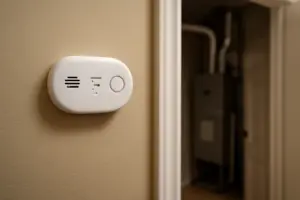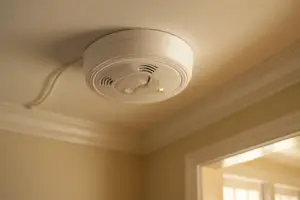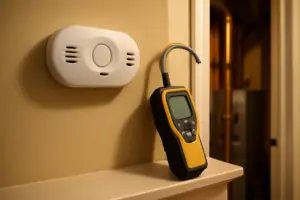
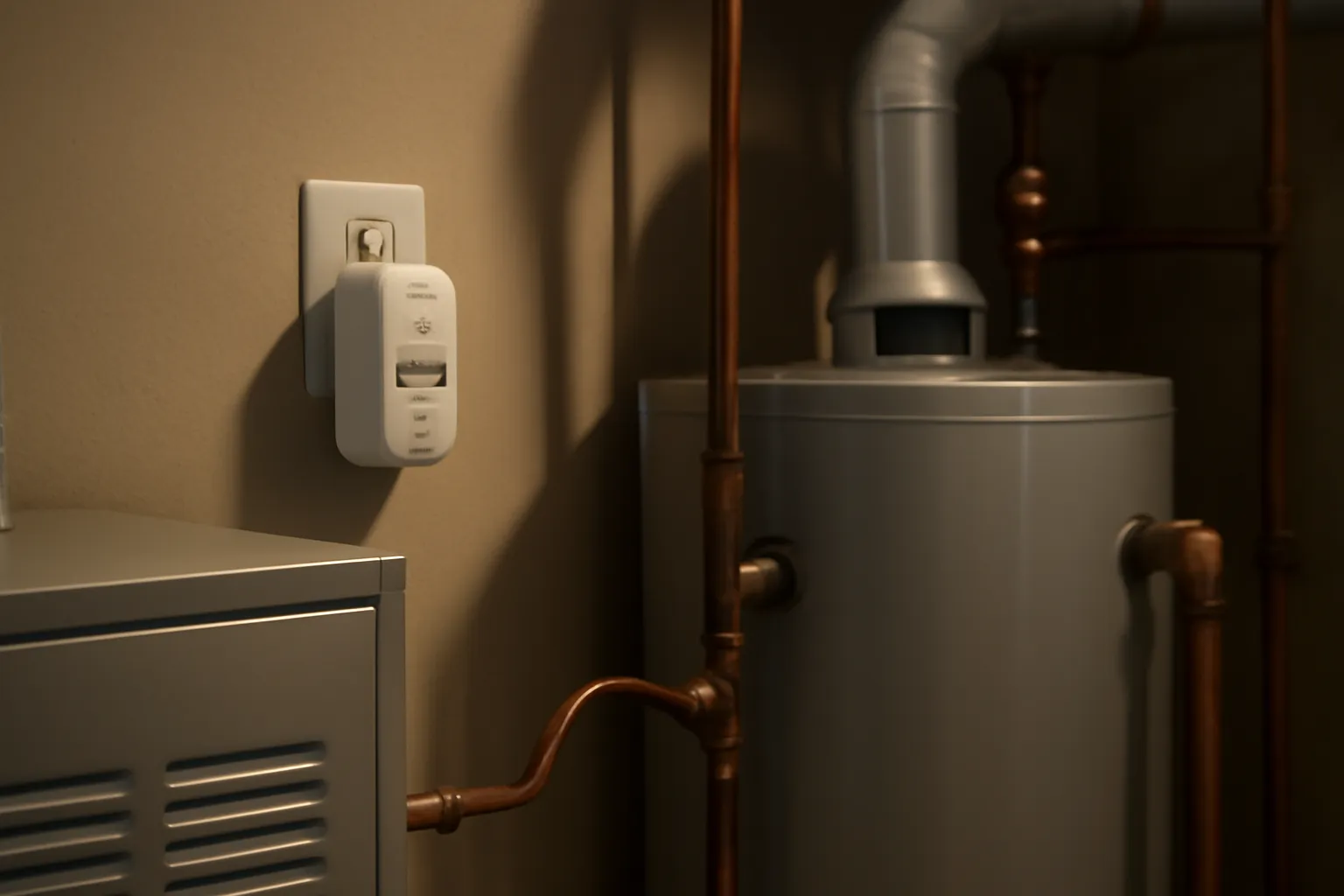
I was called out to a home last winter for what the homeowner described as a “furnace smell.” She’d had the same CO detector on her wall for six years and felt confident her home was safe — it had never gone off, so everything must be fine, right? When I got there with my combustible gas analyzer, I found a cracked fitting on the gas line behind her water heater. Methane was bleeding into the utility room at a slow, steady rate. The CO detector on the wall? Silent. Completely unbothered. It wasn’t broken. It was doing exactly what it was designed to do — and detecting a natural gas leak is not that job. This is one of the most dangerous misconceptions I run into as an HVAC tech: homeowners assuming their CO detector pulls double duty. It doesn’t. Not even close. If you’ve ever wondered about the difference between a natural gas leak detector vs carbon monoxide detector, or if you’ve ever assumed one device covers both threats, this post is for you. I’m going to explain the real science behind why these are completely separate safety devices, show you what I actually recommend to my customers, and walk you through exactly how to protect your home the right way.
Understanding the Problem: CO Detectors and Gas Leak Detectors Are Not the Same Device
Let me make this as clear as I possibly can before we go any further: carbon monoxide and natural gas are two completely different chemicals that require two completely different types of sensors to detect. A CO detector will never alert you to a natural gas leak. Ever. No matter what.
Here’s the chemistry in plain English. Carbon monoxide (CO) is a combustion byproduct — it’s produced when a fuel burns incompletely. A cracked heat exchanger, a poorly tuned burner, an exhaust flue that’s backdrafting — these are CO problems. CO detectors use electrochemical sensors that react specifically to CO molecules. They’re calibrated to trigger an alarm when CO concentration reaches 70 PPM sustained over 60–240 minutes, per UL 2034 standards. These sensors are extraordinarily good at detecting CO. They are physically incapable of detecting methane or propane.
Natural gas (primarily methane) and propane are fuels — they’re what burns before combustion happens. An unlit burner leaking gas, a cracked gas line in your basement, a loose compression fitting behind your dryer — these produce zero CO. None. The gas is just sitting there, unburned, accumulating. And your CO detector is completely blind to it. This is the critical gap that answers the question homeowners ask me constantly: does a CO detector detect a natural gas leak? No. Full stop.
Now, you might be thinking: “But I can smell gas — that rotten egg odor.” You’re smelling mercaptan, a sulfur compound that utility companies intentionally inject into odorless natural gas as a safety odorant. It’s clever engineering, but it’s not foolproof — not even close. Here’s what I’ve seen go wrong with the smell-based detection system in the field:
- Anosmia and reduced smell sensitivity: An estimated 1 in 8 Americans have some degree of impaired smell. That number climbs sharply with age. I’ve met homeowners who genuinely could not detect mercaptan at concentrations that made my eyes water.
- Nose fatigue in chronic low-level leaks: If a fitting has been slowly weeping gas for weeks, your olfactory system adapts and filters out the smell. You stop noticing it. This is called olfactory fatigue, and it’s a real physiological phenomenon — not carelessness.
- Sleeping, illness, congestion: You cannot smell anything through a stuffed nose. Gas leaks don’t take the night off.
- Small leaks below odor threshold: Very slow leaks may not produce enough mercaptan concentration in the air to be detectable by smell, even with a fully functioning nose — while still accumulating toward the explosive range over time.
The explosive range for methane in air is 5%–15% by volume (LEL — Lower Explosive Limit). You don’t want to rely on your nose to tell you you’re approaching 5% methane in an enclosed space. That’s what instruments — and proper combustible gas detectors for home use — are for. Understanding the methane detector vs CO detector difference isn’t just technical trivia. It’s the difference between protected and exposed.
The Detector That Finally Caught What My Single-Purpose CO Alarm Missed
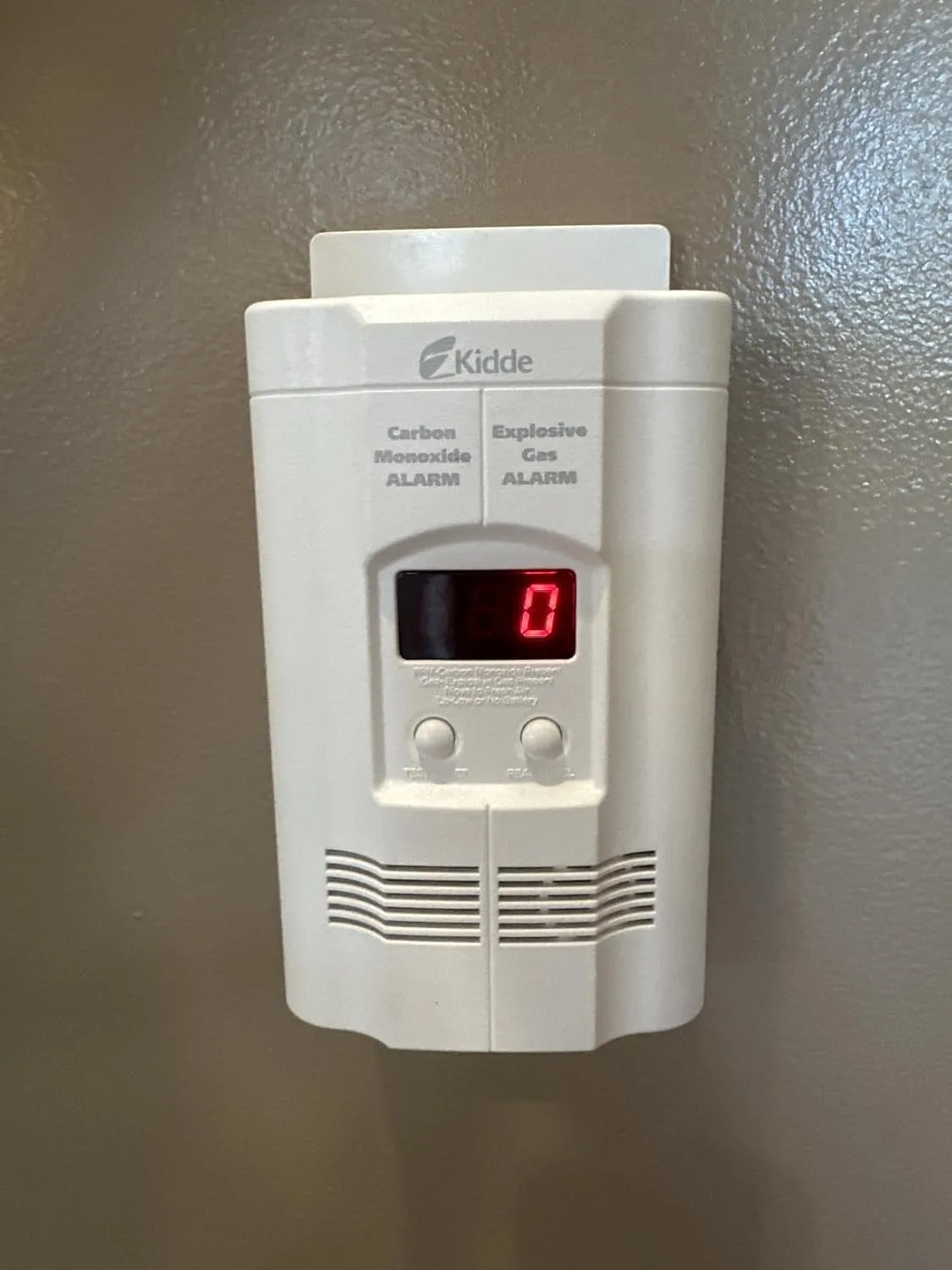
A standard carbon monoxide detector is designed to catch one thing only — carbon monoxide. If you have a natural gas leak, propane line, or methane bleeding into your home, that CO alarm will sit silent while the gas accumulates. You need a detector that covers the full spectrum of combustible gas hazards.
What works
- Detects natural gas, propane, and explosive gas in addition to CO — the three-in-one coverage that CO-only alarms simply can’t provide
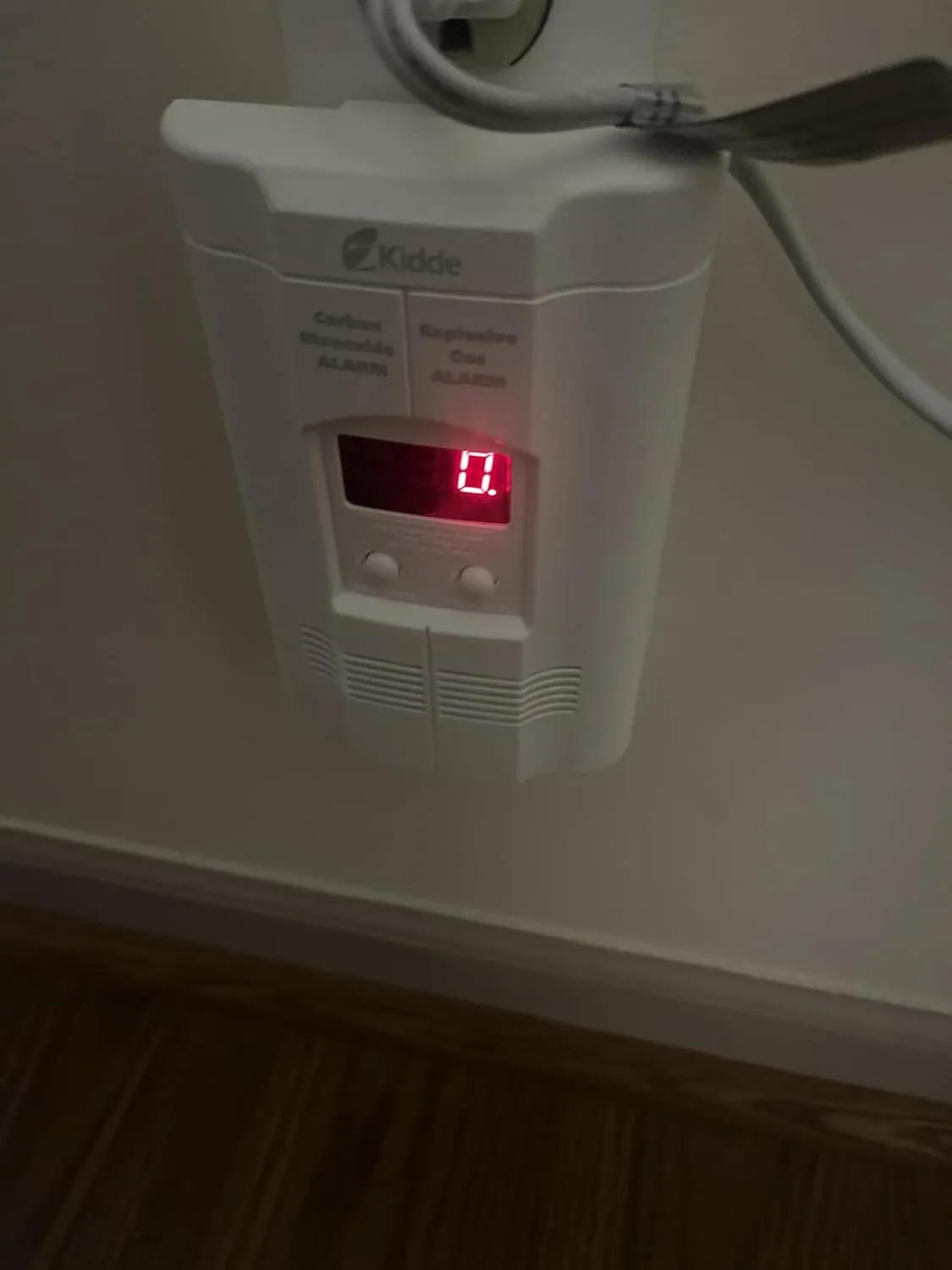
- Digital display shows real-time readings, so you can track ambient gas levels instead of just waiting for an alarm to sound
- Plug-in design with battery backup means it stays powered even during outages, and the 85 dB alarm is loud enough to hear from another room
What doesn’t
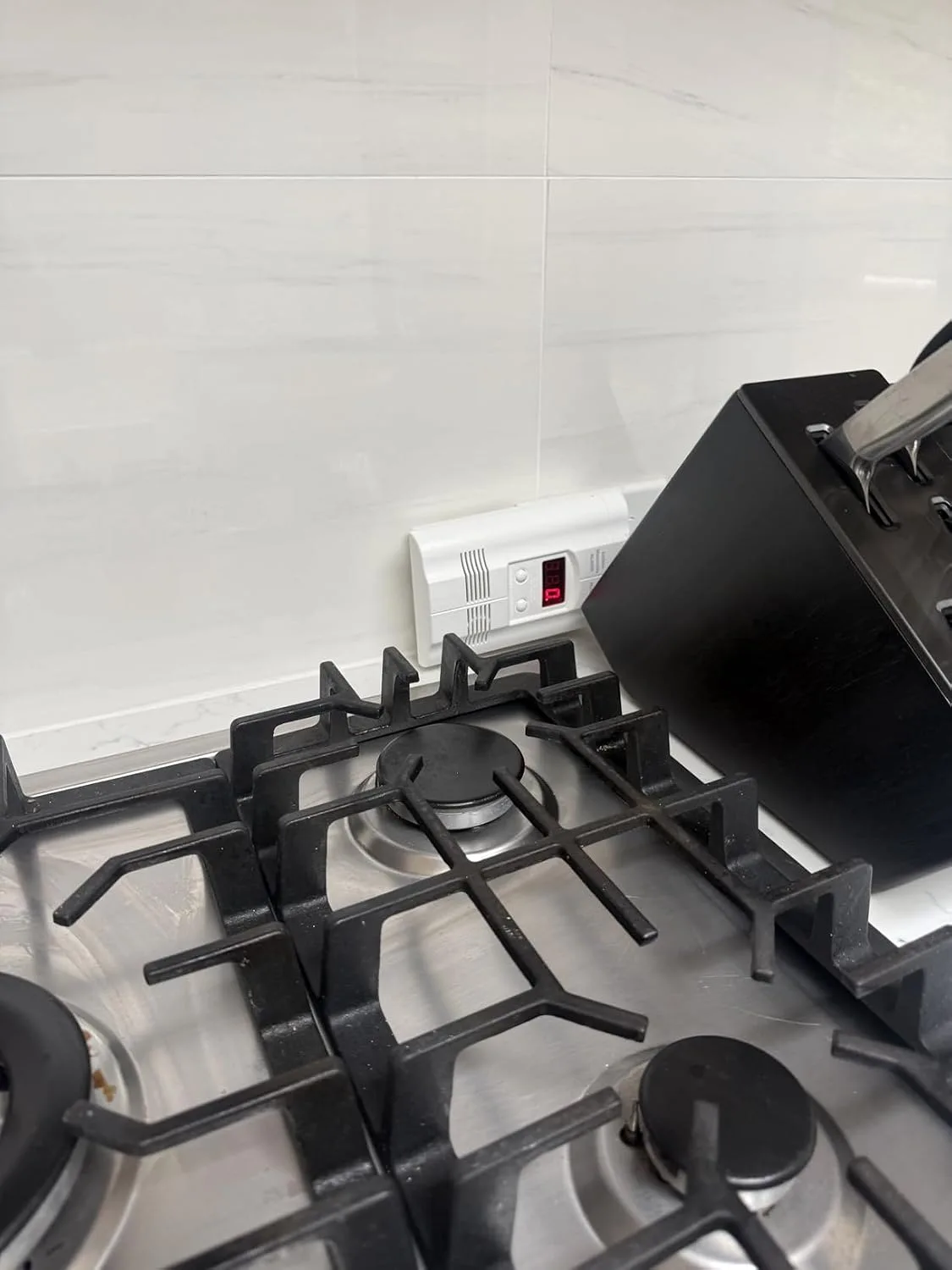
- Requires a standard outlet near your furnace or water heater, which isn’t always convenient if your utility space lacks accessible power
- Needs occasional calibration checks and battery replacement — it’s not truly set-and-forget like a hard-wired system
When I first switched to recommending dual-sensor detectors, I worried homeowners would see the higher price tag and stick with their old CO-only units. But after seeing how many gas leaks slip past single-purpose alarms, I realized the peace of mind is worth it. Get the Kidde Carbon Monoxide + Explosive Gas, Natural Gas & Propane Alarm, Plug-in with 9V Battery Backup, Digital Display, 85 dB Alarm, LED Status Indicators, 3rd Edition and actually cover all your bases.
This post contains affiliate links. As an Amazon Associate, I earn from qualifying purchases at no extra cost to you.