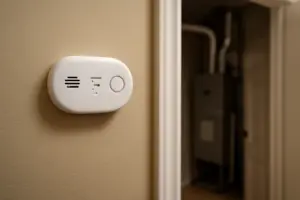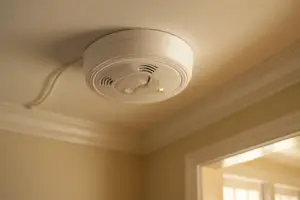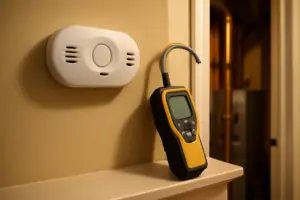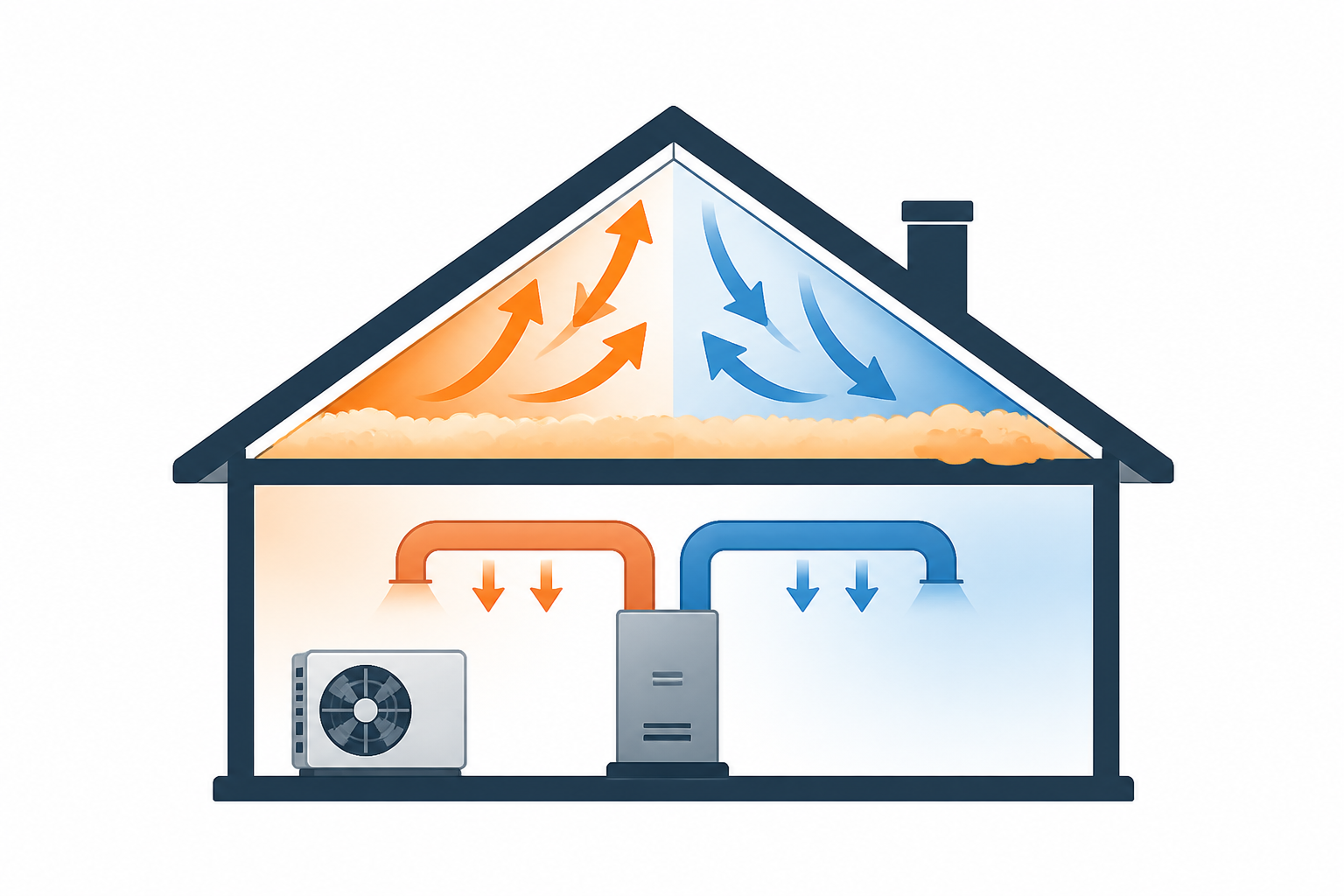
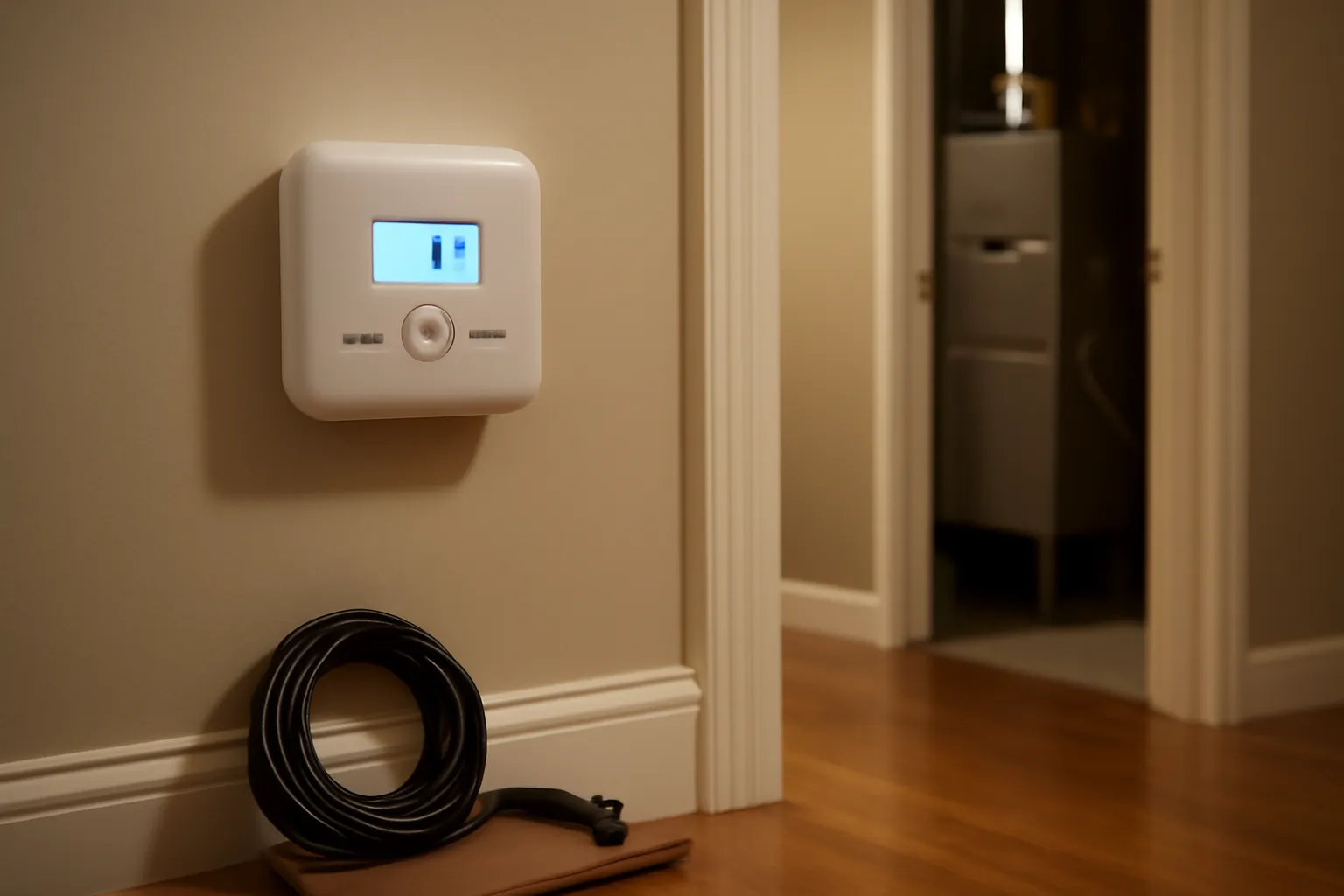
Last February, I got a call from a homeowner in a suburb about thirty miles north of me. She’d been dealing with headaches every single evening for about six weeks. Thought it was stress, then a sinus infection, then maybe the new candles her daughter had given her for Christmas. Her doctor had run bloodwork. Nothing unusual. But the headaches kept coming, always worse in the evening, always gone by mid-morning when she’d been at work. Her husband had started feeling it too — that dull, heavy fatigue that makes you feel like you haven’t slept in days. When I walked in with my combustion analyzer and a low-level CO monitor, her standard CO alarm — a perfectly functional, name-brand unit installed two years prior — was completely silent. My monitor lit up at 35 PPM within four minutes of me standing near her furnace. We found a cracked heat exchanger on a 14-year-old gas furnace that had been slowly seeping combustion gases into the living space every time the burner cycled. That alarm on her wall? It never would have triggered. Not that night, not the next night, not until something far worse happened. If you want to understand why the best low level carbon monoxide detector digital display isn’t just a nice upgrade — it’s the difference between catching a problem in February and calling 911 in March — keep reading.
Understanding the Problem: Why Your Standard CO Alarm Is Legally Compliant and Practically Dangerous
Here’s something most homeowners don’t know, and frankly, something the alarm industry doesn’t advertise loudly: the standard your CO detector is built to meet was designed to prevent acute poisoning deaths — not to protect you from the chronic, low-level exposure that actually affects most households with a combustion appliance problem.
The governing standard in the United States is UL 2034. Under that standard, a CO alarm is only required to trigger under these conditions:
- 70 PPM sustained for 60 to 240 minutes
- 150 PPM sustained for 10 to 50 minutes
- 400 PPM sustained for 4 to 15 minutes
Read that first bullet again. Seventy parts per million — a concentration that the EPA classifies as capable of causing headaches, dizziness, and disorientation in healthy adults — can sit in your home for up to four hours before a compliant alarm is legally required to sound. And that’s at 70 PPM. At 35 PPM, the level I found in that homeowner’s house? A standard alarm can legally stay completely silent indefinitely. There is no UL 2034 response requirement below 70 PPM. None.
To put those numbers in physiological terms: the OSHA permissible exposure limit for workers in industrial settings is 50 PPM over an eight-hour workday. The NIOSH recommended exposure limit — for people wearing safety equipment in controlled environments — is 35 PPM. Your family is sleeping in that. Your kids are doing homework in that. And the $30 alarm on your ceiling is silent because it’s doing exactly what it was built to do.
The sources of low-level CO intrusion in residential homes are more common than most people realize. In my work as an HVAC technician and home performance consultant, I’ve traced chronic low-level readings back to a handful of culprits that appear repeatedly:
- Cracked or corroded heat exchangers — the most dangerous because they’re invisible and intermittent. CO only leaks when the blower pressurizes the system.
- Blocked or deteriorating flue vents — bird nests, ice damming, collapsed liner sections. CO that should vent outside recirculates into the living space.
- Backdrafting on naturally-drafted appliances — when the house is depressurized by exhaust fans or a tight building envelope, combustion gases get pulled back down the flue.
- Car exhaust infiltration from attached garages — even idling a car for 30 seconds can push CO through wall penetrations, door gaps, or HVAC return plenums shared with the garage.
- Gas range and oven combustion products — especially in kitchens without dedicated ventilation or in homes with older, out-of-tune burners.
Every one of these scenarios can produce sustained readings of 20 to 50 PPM for days, weeks, or months. A low level CO monitor residential homeowners can actually use — one that shows you a real-time PPM number — turns an invisible, silent hazard into something you can see, track, and act on.
The Detector That Actually Caught What Her Symptoms Couldn’t Say
Standard CO detectors are built to alarm at dangerous levels — but by then, you’re already being poisoned. What you need is a unit with a digital display and memory function that logs what happened while you were asleep or away, so you can connect the dots between your symptoms and the readings.
What works
- The 10-year battery means you’re not scrambling to replace it mid-winter, and it won’t fail silently during the heating season when CO risk peaks.
- The backlit digital display shows real PPM readings, not just a red light — you can actually see if levels are creeping up before they trigger an alarm.
- Peak memory function logs the highest reading since the last reset, so you have proof of what happened when you weren’t watching — exactly what that homeowner needed to convince her HVAC contractor something was wrong.
What doesn’t
- Battery-powered units mean they rely on user discipline to check batteries and replace them on schedule — plug-in models remove that variable entirely.
- A digital display is only helpful if you actually check it; many homeowners install these and never look at them again until something feels wrong.
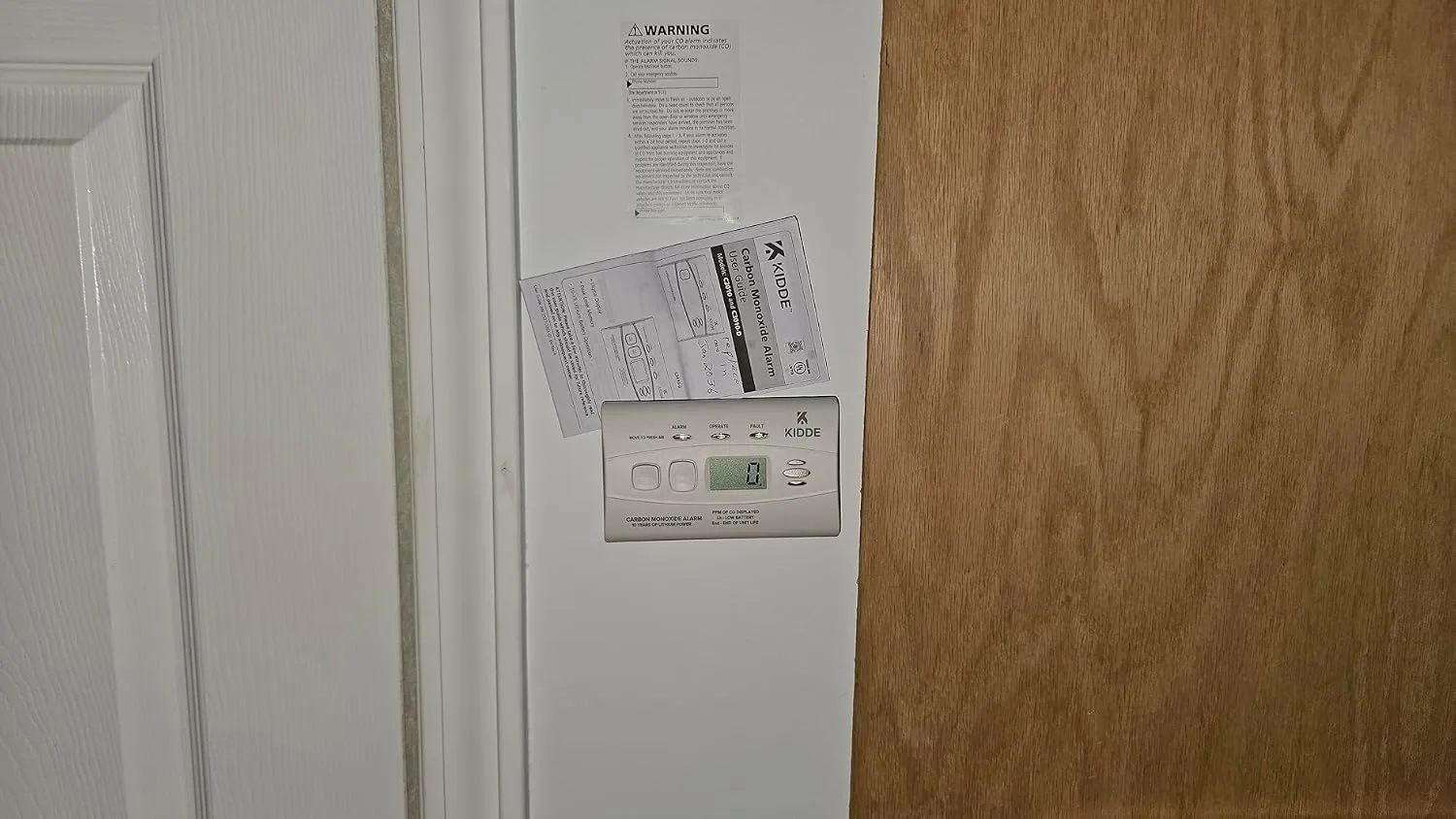
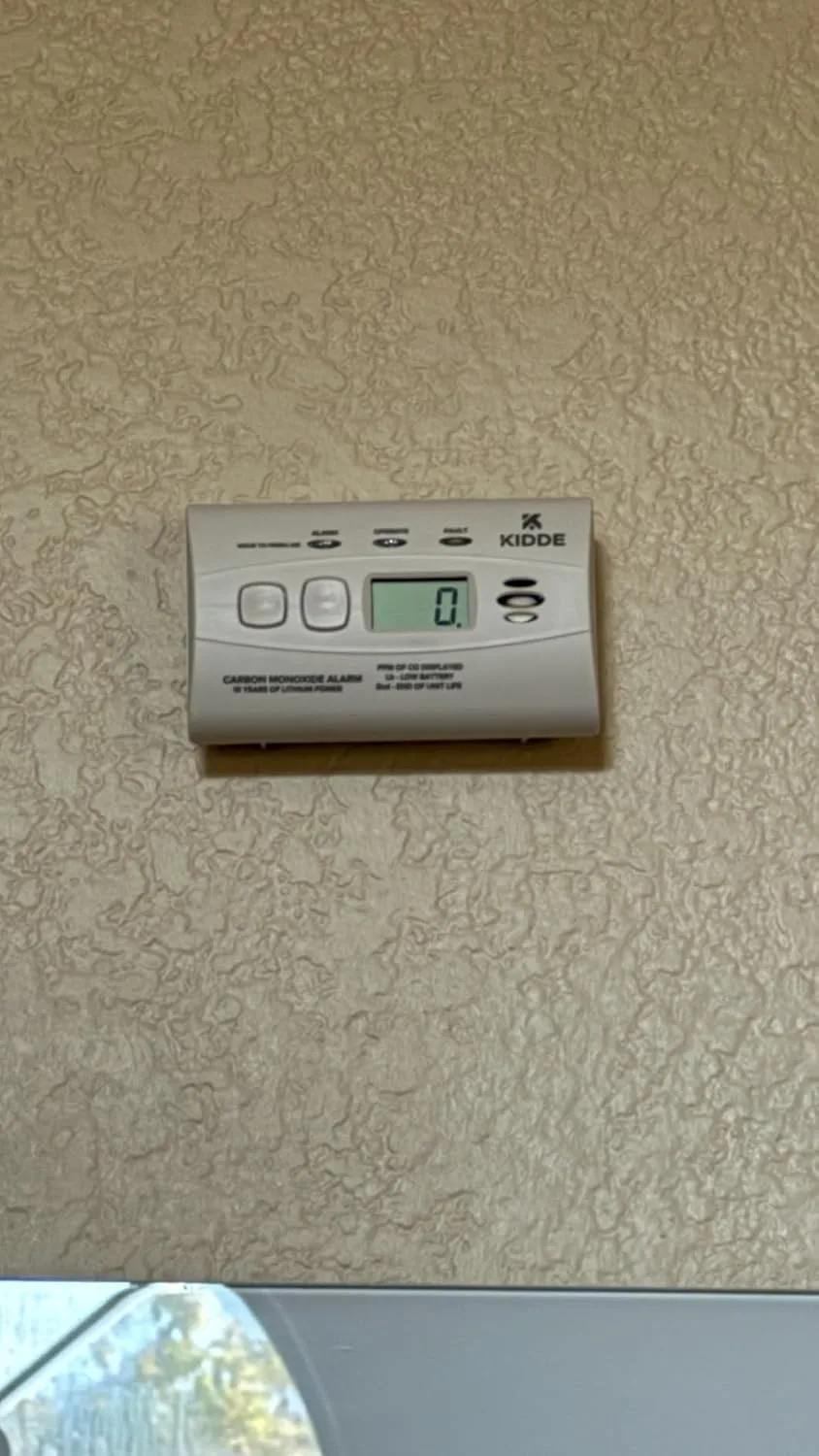
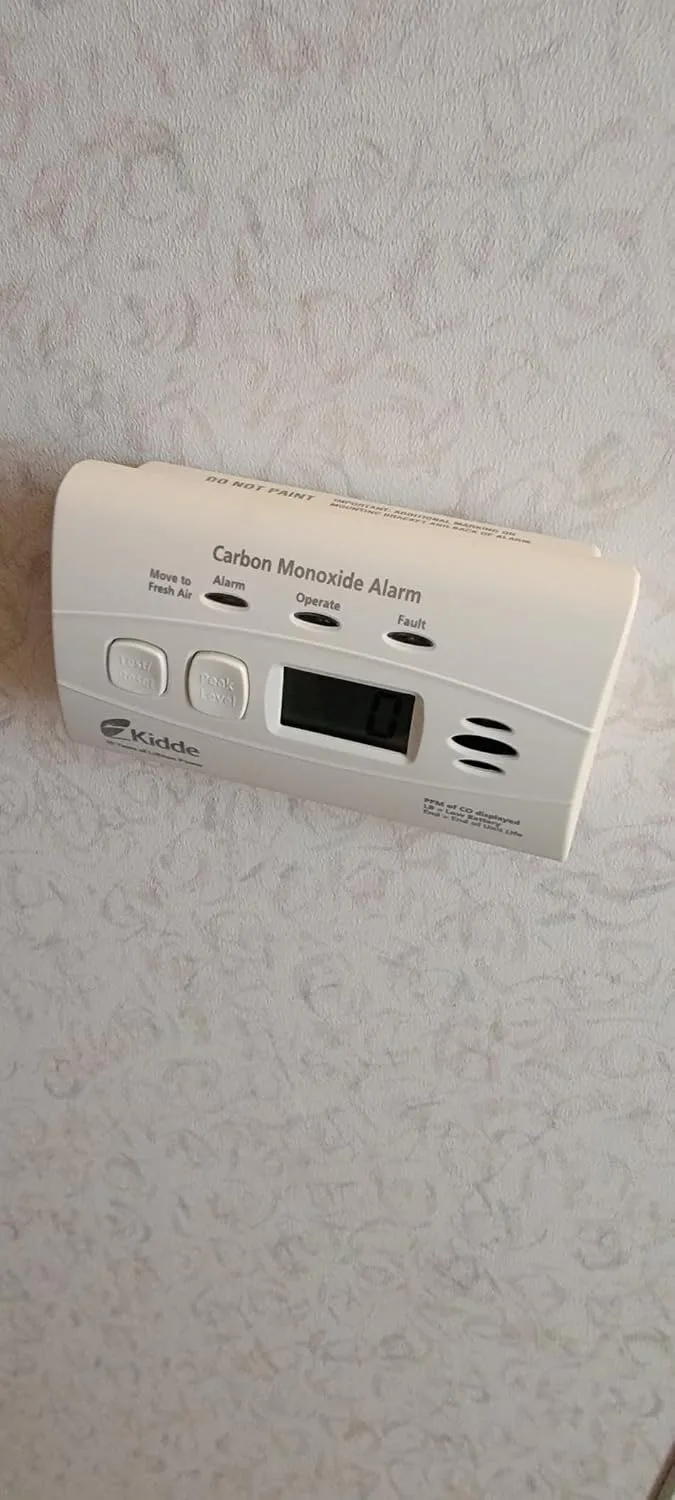
I was skeptical that a $40 detector could solve what six weeks of doctor visits couldn’t — but when she texted me a photo of the peak memory reading (47 PPM) that had accumulated during her morning routine, everything changed. That’s when we knew it was the furnace, not her stress. Kidde Carbon Monoxide Detector, 10-Year Battery Powered, Digital Backlit Display, COBD10
This post contains affiliate links. As an Amazon Associate, I earn from qualifying purchases at no extra cost to you.