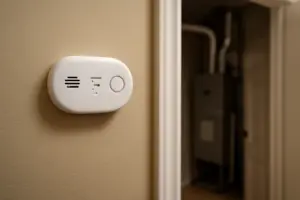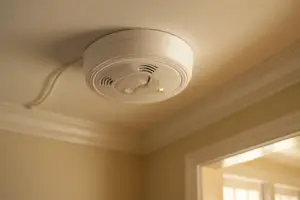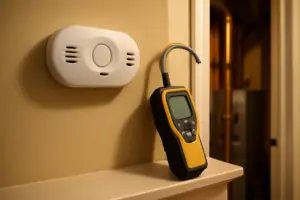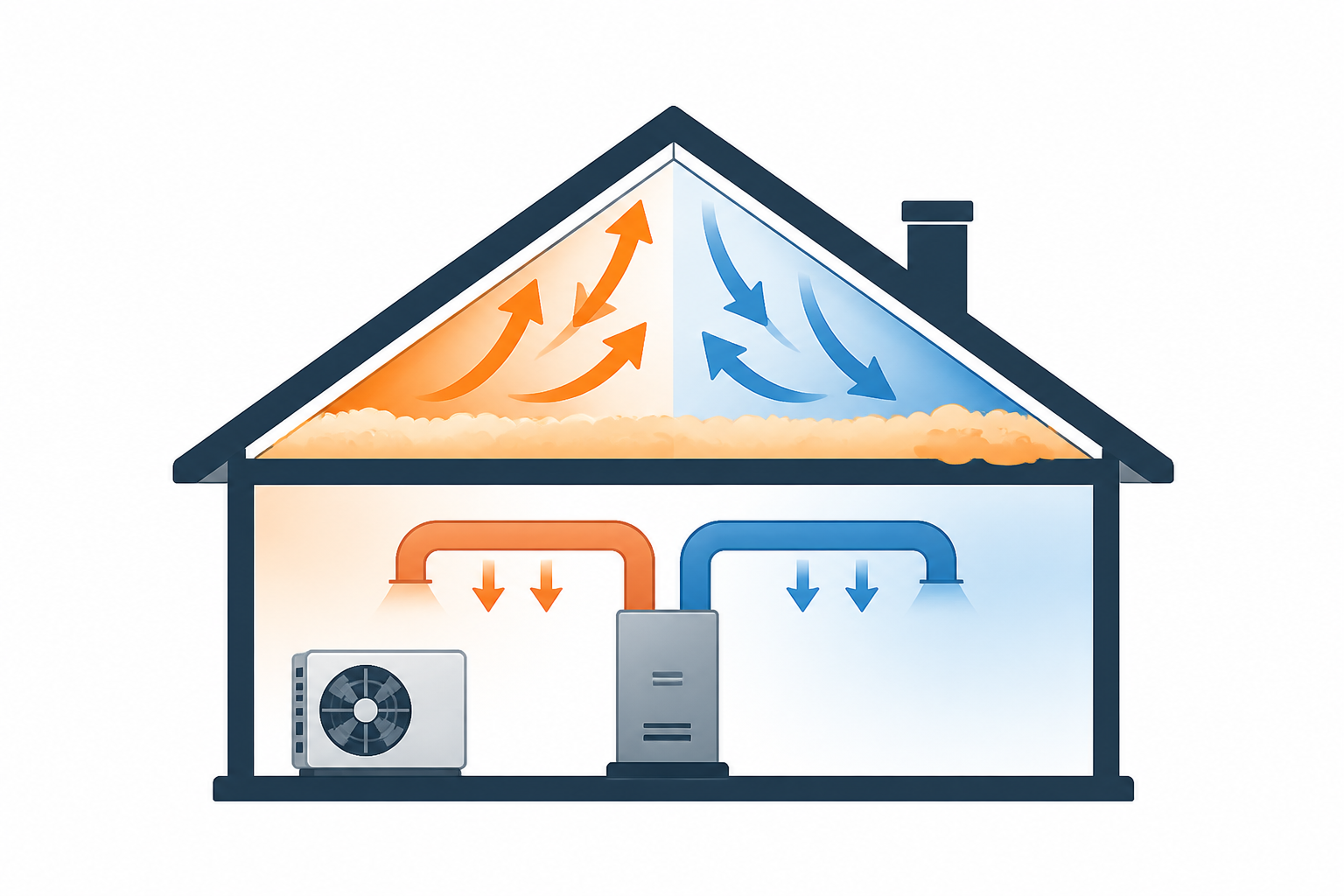
I was called out to a house in late February — routine furnace tune-up, nothing unusual on the work order. The homeowner, a retired teacher named Carol, met me at the door and mentioned almost as an aside that her family had been having headaches all winter. Fatigue, too. She figured it was the dry air or maybe stress. When I pulled the combustion analyzer out and checked her heat exchanger, I found a crack running almost the full width of the primary section. Carbon monoxide was bleeding directly into her living space every time the furnace ran. I checked her detector — a $14 plug-in unit she’d had for at least six years, still showing a green light. No alarm, no warning, nothing. Here’s what Carol didn’t know, and what most homeowners don’t know: that cheap detector was almost certainly running a metal oxide semiconductor sensor, the least accurate of the three sensor technologies used in residential CO detectors. It had probably been giving her false “all clear” readings for years. Understanding how carbon monoxide detectors work and the sensor types available isn’t just an interesting technical footnote — it’s the difference between a detector that earns its place on your wall and one that gives you false confidence while a silent killer builds up in your home. Let me break this down the way I explain it to homeowners on service calls.
Understanding the Problem: Three Sensor Technologies, Three Very Different Levels of Protection
Most people assume a CO detector is a CO detector. You plug it in, the green light comes on, and you’re protected. That assumption is exactly what the $14 price tag is counting on. The truth is that residential carbon monoxide alarms are built around three fundamentally different sensor technologies, and they are not equivalent. Not even close.
Electrochemical Sensors: The Gold Standard
Electrochemical CO sensors work by passing carbon monoxide gas across a chemical cell, triggering an electrochemical reaction that generates an electrical current. The size of that current is directly proportional to the concentration of CO present. This is the same technology used in professional gas detection equipment, first responder gear, and industrial safety instruments — and for good reason. Electrochemical sensors are the most accurate of the three types, capable of detecting CO at concentrations as low as 5 to 10 parts per million (PPM). Response time is measured in seconds, not minutes. They have a long service life — typically 5 to 7 years — and they rarely false-alarm because they are chemically selective for CO rather than reacting to other common household gases. The main downsides are cost (electrochemical detectors typically run $30 to $80) and some sensitivity to extreme humidity levels. For residential use, those are easy tradeoffs. This is the sensor type you want in your home, full stop.
Metal Oxide Semiconductor (MOS) Sensors: Cheap to Make, Costly in Performance
Metal oxide semiconductor sensors — sometimes called MOS or tin dioxide sensors — work by heating a tin dioxide element. When CO comes into contact with that heated surface, it changes the electrical resistance of the element, which the detector reads as a CO event. These sensors are inexpensive to manufacture, which is why they show up in budget detectors. But the performance trade-offs are significant. MOS sensors are less accurate than electrochemical sensors, respond more slowly, and — critically — they react to other gases too. Hydrogen, alcohol vapors, and even aerosol sprays can trigger false alarms. They also draw more continuous power because of the constant heating requirement. In a residential setting, a MOS-based detector might miss low-level CO events entirely, or alarm only when concentrations have already climbed to dangerous levels.
Biomimetic Sensors: The One to Avoid
Biomimetic sensors use a gel pad that changes color when exposed to CO, mimicking the way hemoglobin in your blood binds to carbon monoxide. They require no power to operate the sensing element itself, which makes them attractive for ultra-cheap detector cards and basic stand-alone alarms. But the performance is genuinely poor. Response time is the slowest of the three technologies. Accuracy is the lowest. The gel degrades over time and is affected by temperature and humidity changes. These show up in some of the cheapest alarm products on the market. I would not trust a biomimetic sensor as the primary CO protection in any occupied home.
The UL 2034 Certification Loophole You Need to Know About
Here’s where it gets important from a safety standards perspective. All residential CO alarms sold in the U.S. are required to meet UL 2034 certification. That sounds reassuring — until you read what the standard actually requires. UL 2034 mandates that an alarm must sound at 70 PPM after 60 to 240 minutes of exposure. That is a very low bar. Symptoms of CO poisoning — headaches, dizziness, nausea — begin at concentrations as low as 35 PPM with prolonged exposure, and sensitive individuals can experience effects even lower. Low-level electrochemical detectors can alert at 10 to 25 PPM, which is when intervention actually matters. A detector that technically meets UL 2034 using a slow semiconductor sensor might not alarm until you’re already feeling significant effects. Compliant is not the same as protective.
The Detector That Actually Alarms When It Matters — Not Just When the Battery Dies
Most families rely on a single CO detector, often tucked in a bedroom or hallway where it’s easy to forget exists. But a detector with a failing battery, a weak alarm, or a display you can’t read in the dark is almost as useless as no detector at all.
What works
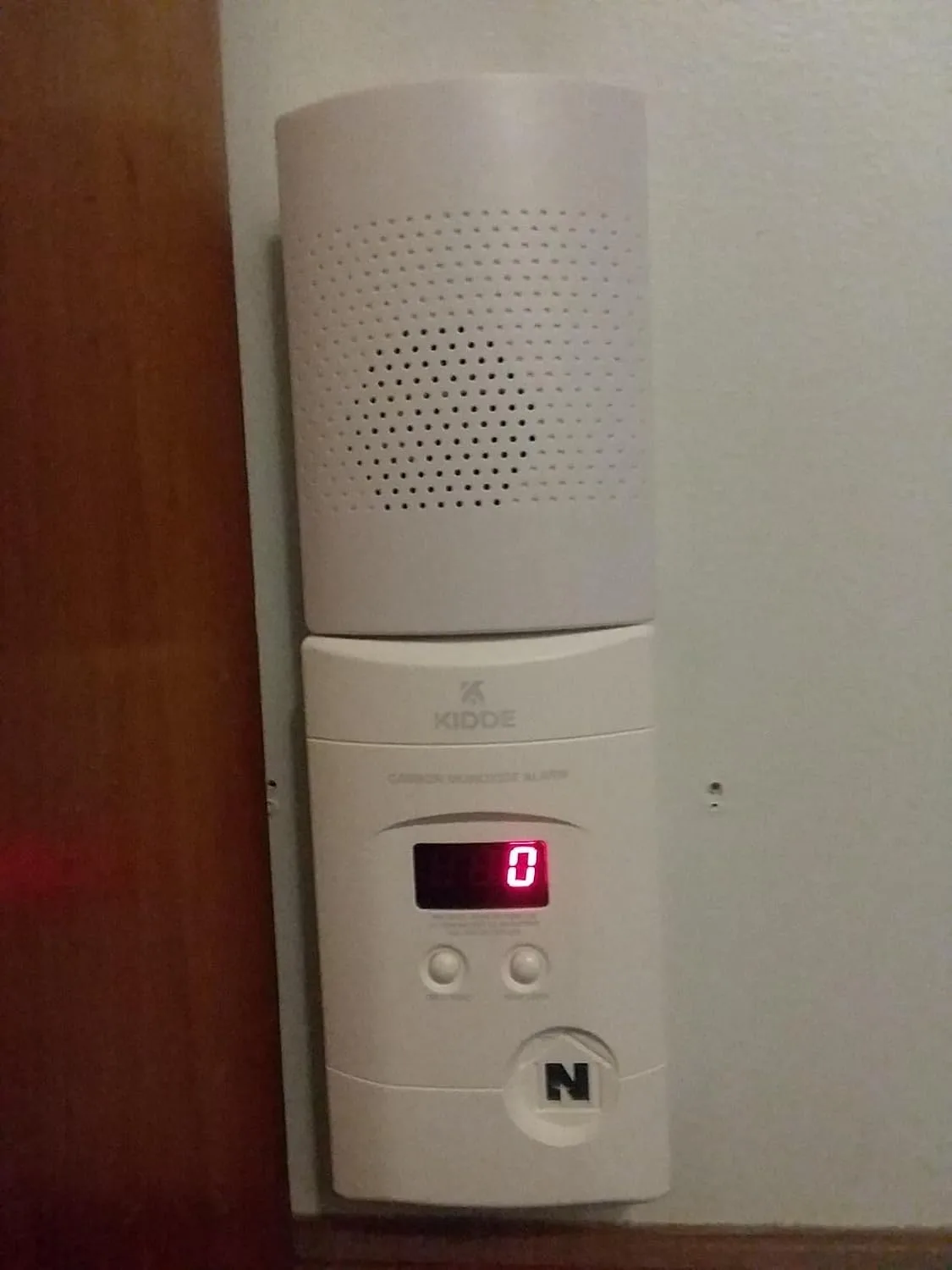
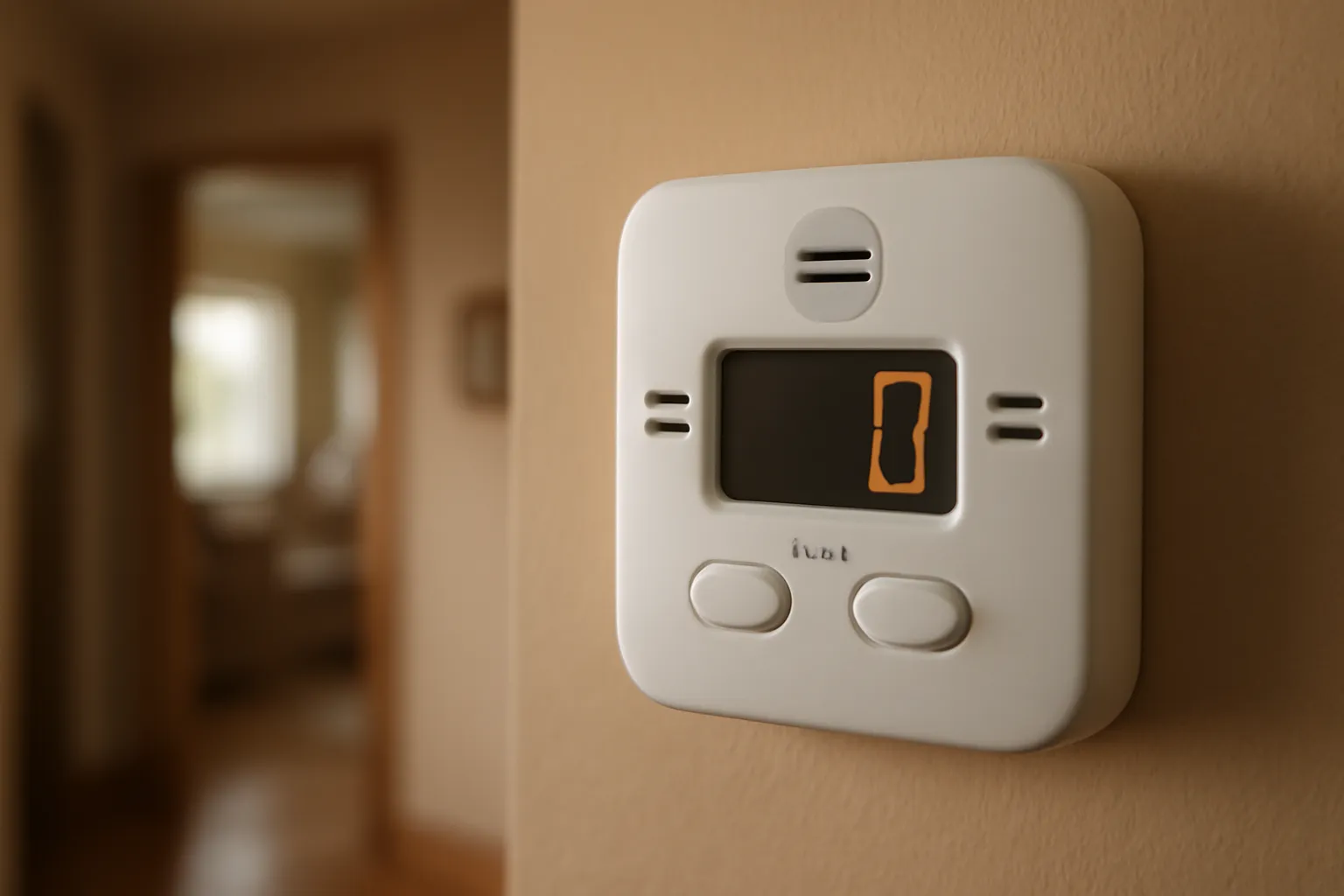
- The digital backlit display shows CO levels in real time — you’re not guessing or waiting for a chirp to know something’s wrong
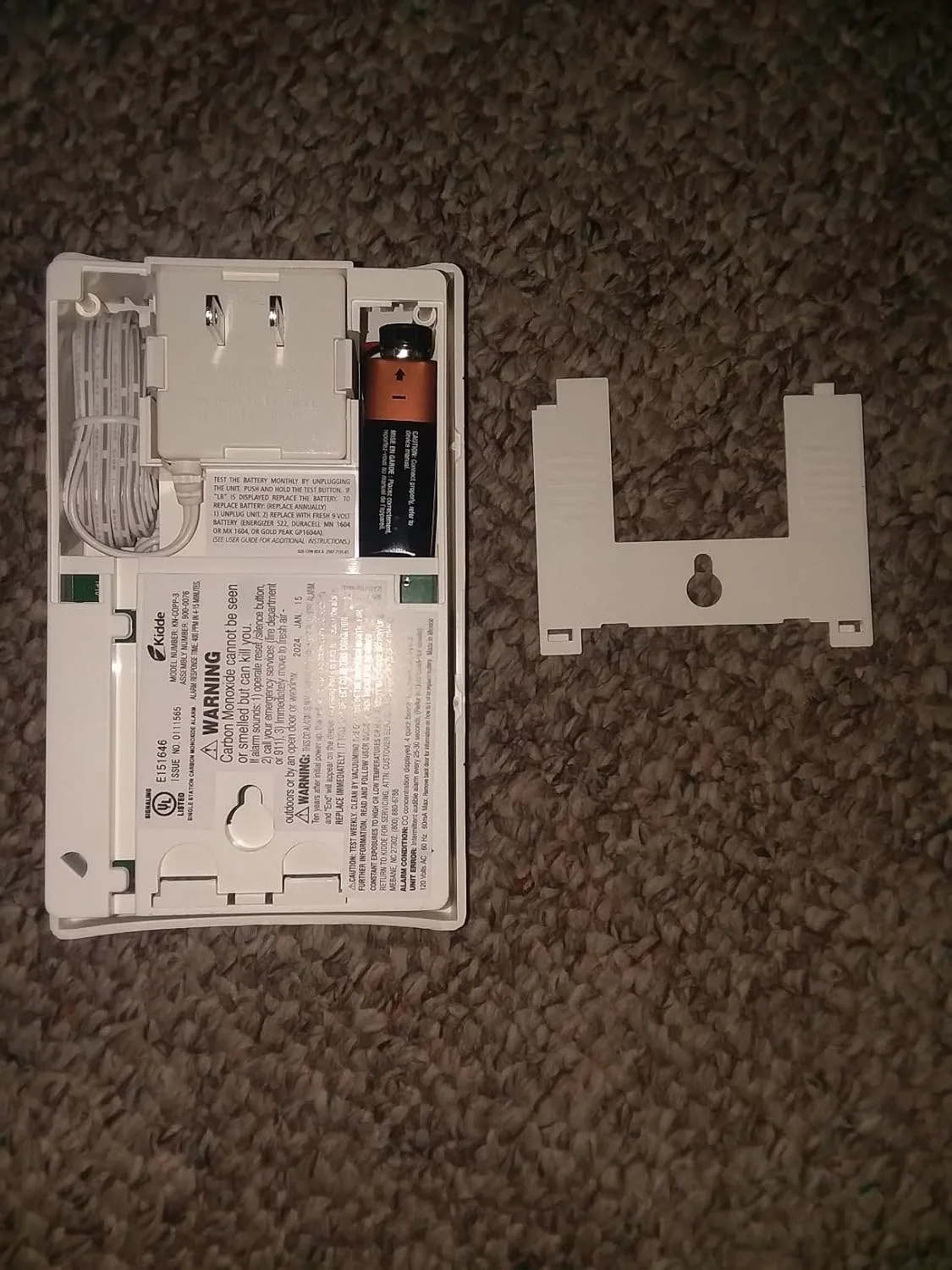
- Dual power (plug-in plus AA battery backup) means it keeps running through power outages, exactly when heating systems are running hardest
- 85 dB alarm cuts through sleep and ambient noise — I’ve tested these in homes with white noise machines and they still wake people
What doesn’t
- Plug-in placement matters more than most homeowners realize — an outlet hidden behind furniture defeats the whole point
- Requires checking batteries twice a year, same as smoke detectors, and many people skip this step entirely
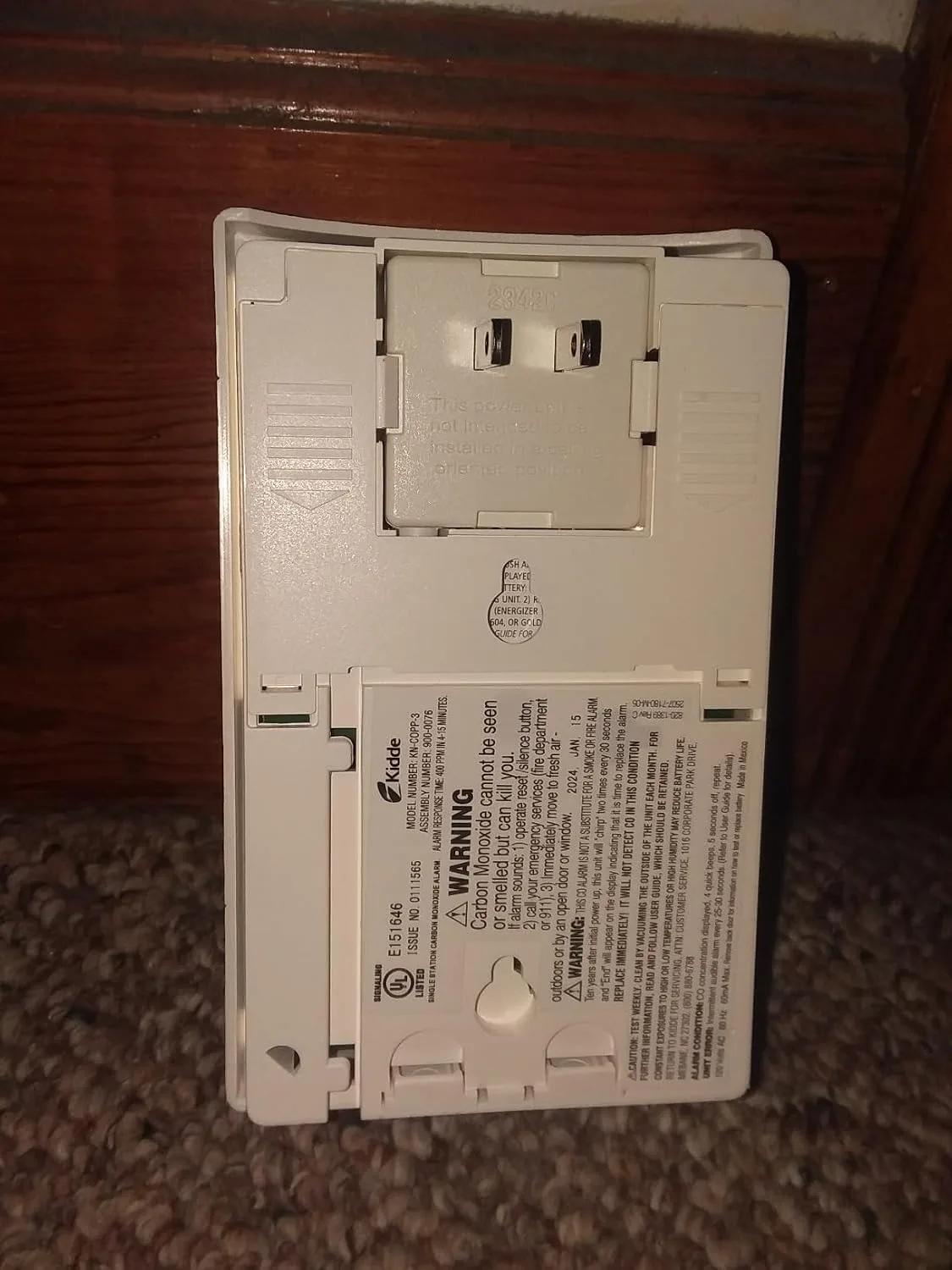
I’ll admit I hesitated on recommending plug-in models at first — I worried the rotating plug design would feel clunky in older outlets — but after installing a dozen of these and checking back six months later, the reliability and the peace of mind have proven out. Get the Kidde Carbon Monoxide Detector, Plug-in with AA Battery Backup, Easy-to-Read Digital Backlit Display, 85 dB Alarm, Rotating Plug, LED Status Light Indicators, 5th Edition and place it where you’ll actually see the display.
This post contains affiliate links. As an Amazon Associate, I earn from qualifying purchases at no extra cost to you.