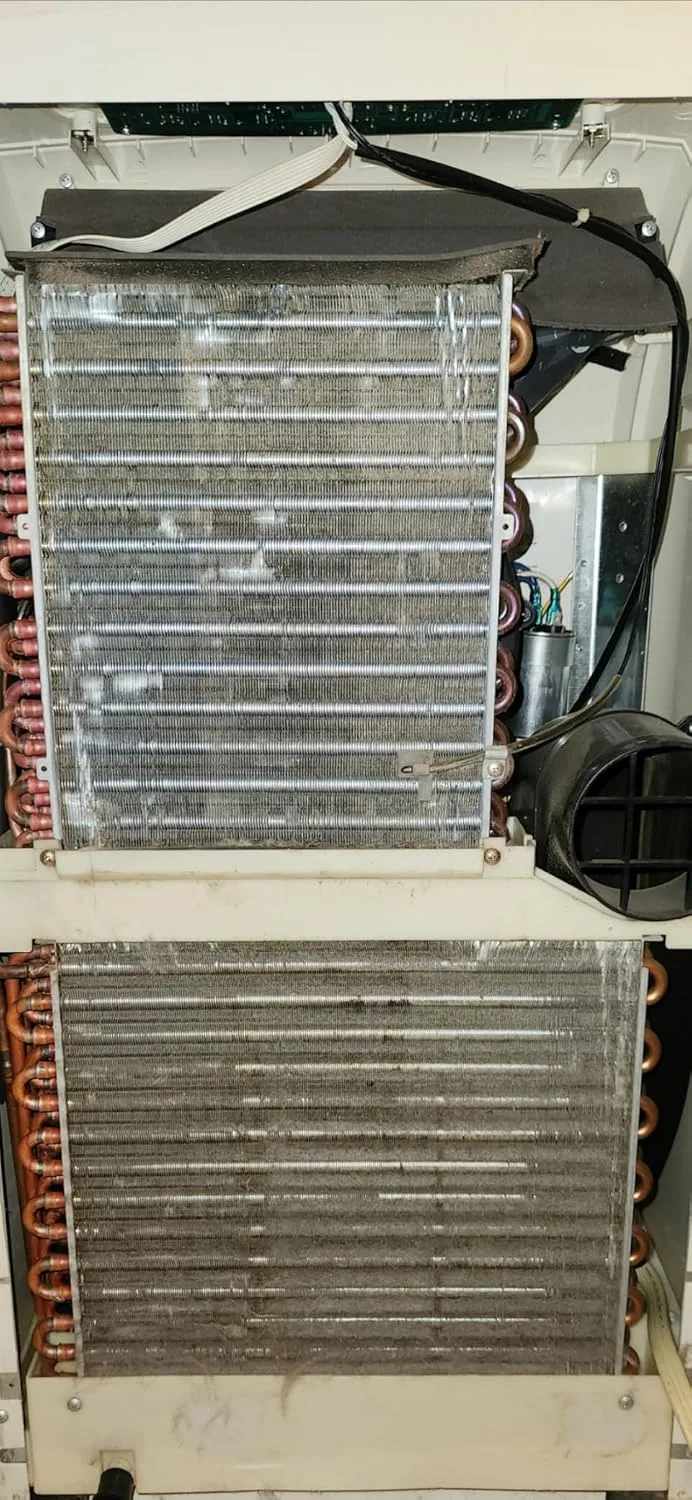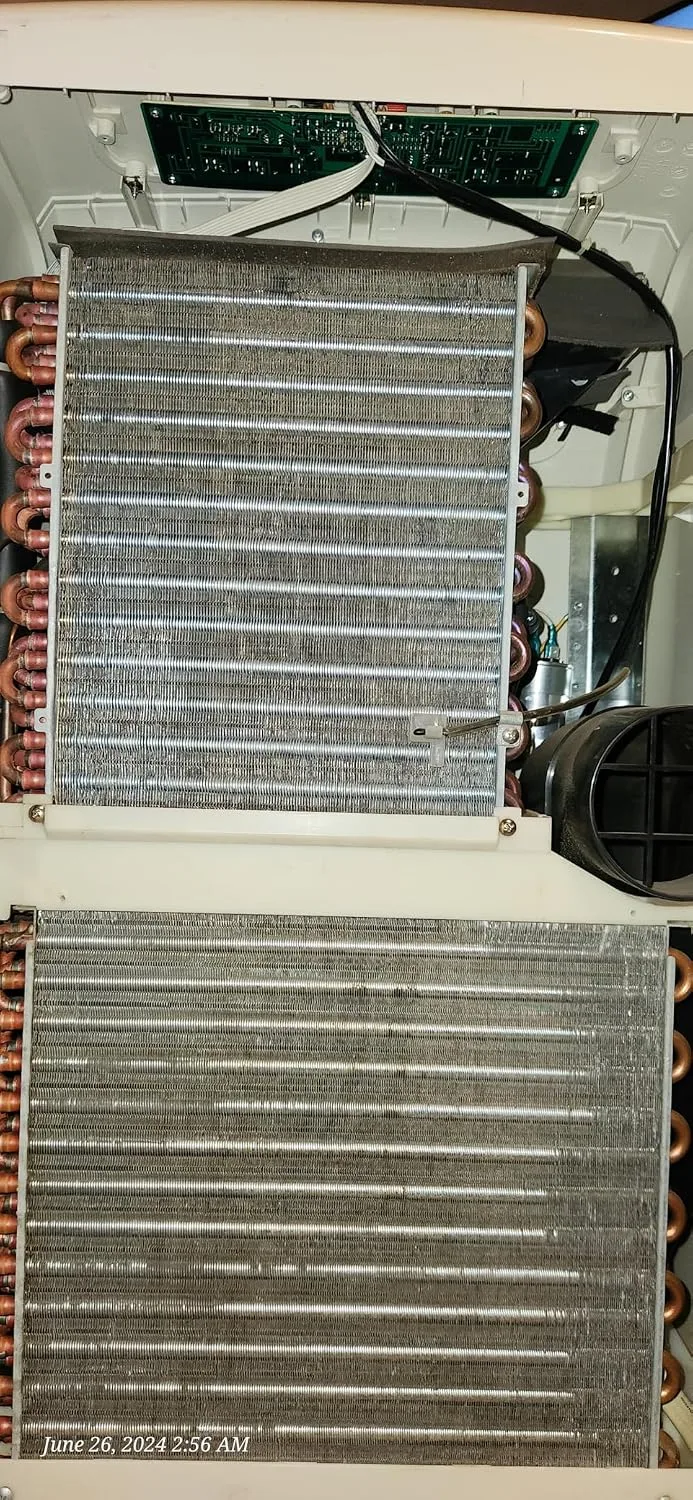
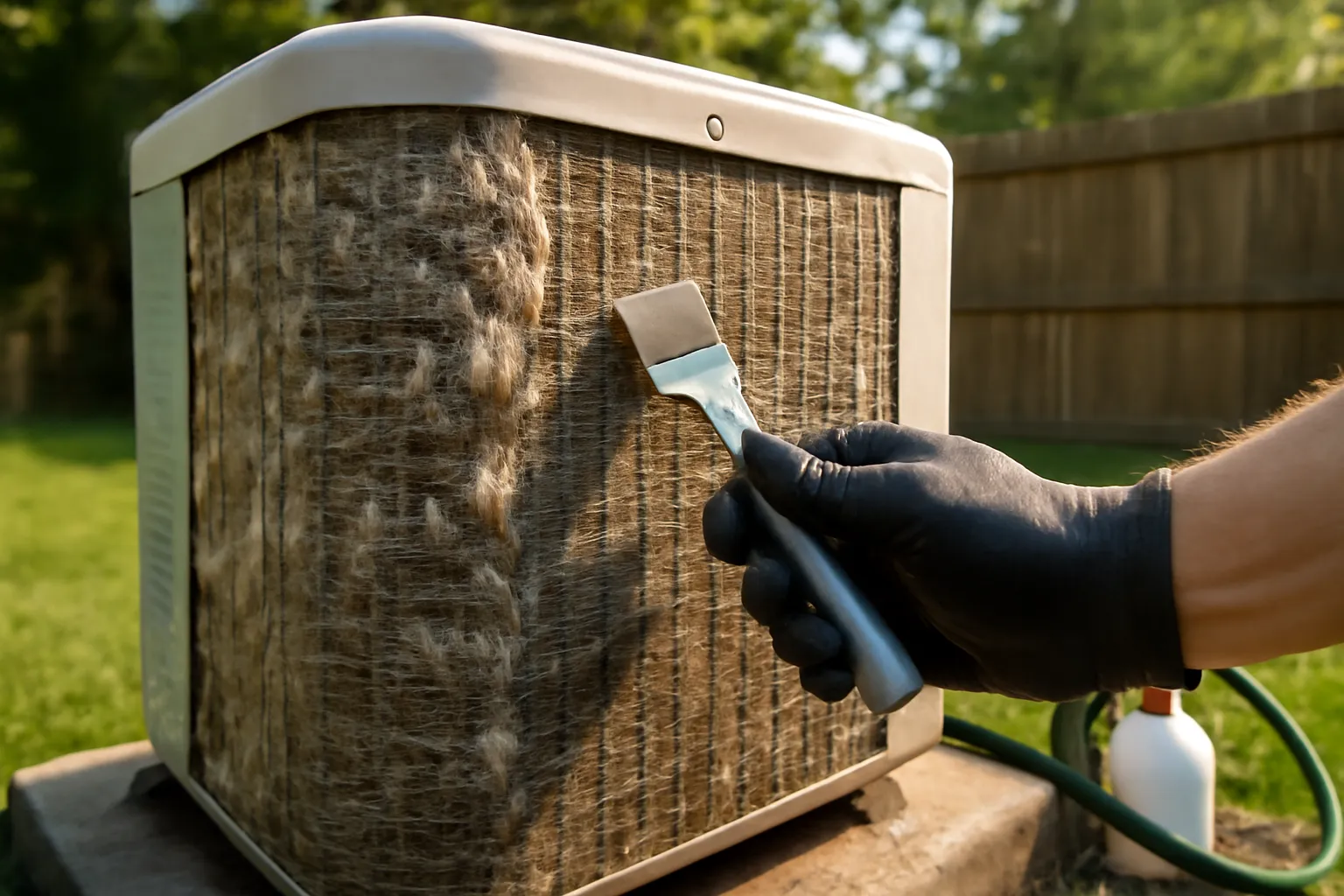
Last July, I got a call from a homeowner in a newer subdivision — let’s call him Greg. His two-year-old AC unit was running constantly, the house wouldn’t get below 78°F even at night, and his electric bill had jumped nearly $90 from the previous summer. When I pulled up to his house, I spotted the problem before I even got out of my truck. His outdoor condenser unit was completely packed with cottonwood seeds — I mean wall-to-wall, like someone had stuffed a pillow inside the cabinet. You could barely see the fins through the white fluff. I’ve been doing this work for over fifteen years, and I still see this exact scenario every single summer. Homeowners pour money into new thermostats, air filters, and service calls chasing a problem that often comes down to one thing: a dirty outdoor condenser unit that hasn’t been cleaned in years — or ever. The fix cost Greg about forty minutes and a garden hose. His system was back to hitting 72°F by that evening, and his next electric bill dropped back down to normal. If you’ve been wondering why your AC struggles to keep up on hot days, this post is going to walk you through exactly what’s happening, why it matters more than most people realize, and — most importantly — how to clean AC condenser coils outside unit yourself without breaking anything.
Understanding the Problem: What a Dirty Condenser Actually Does to Your System
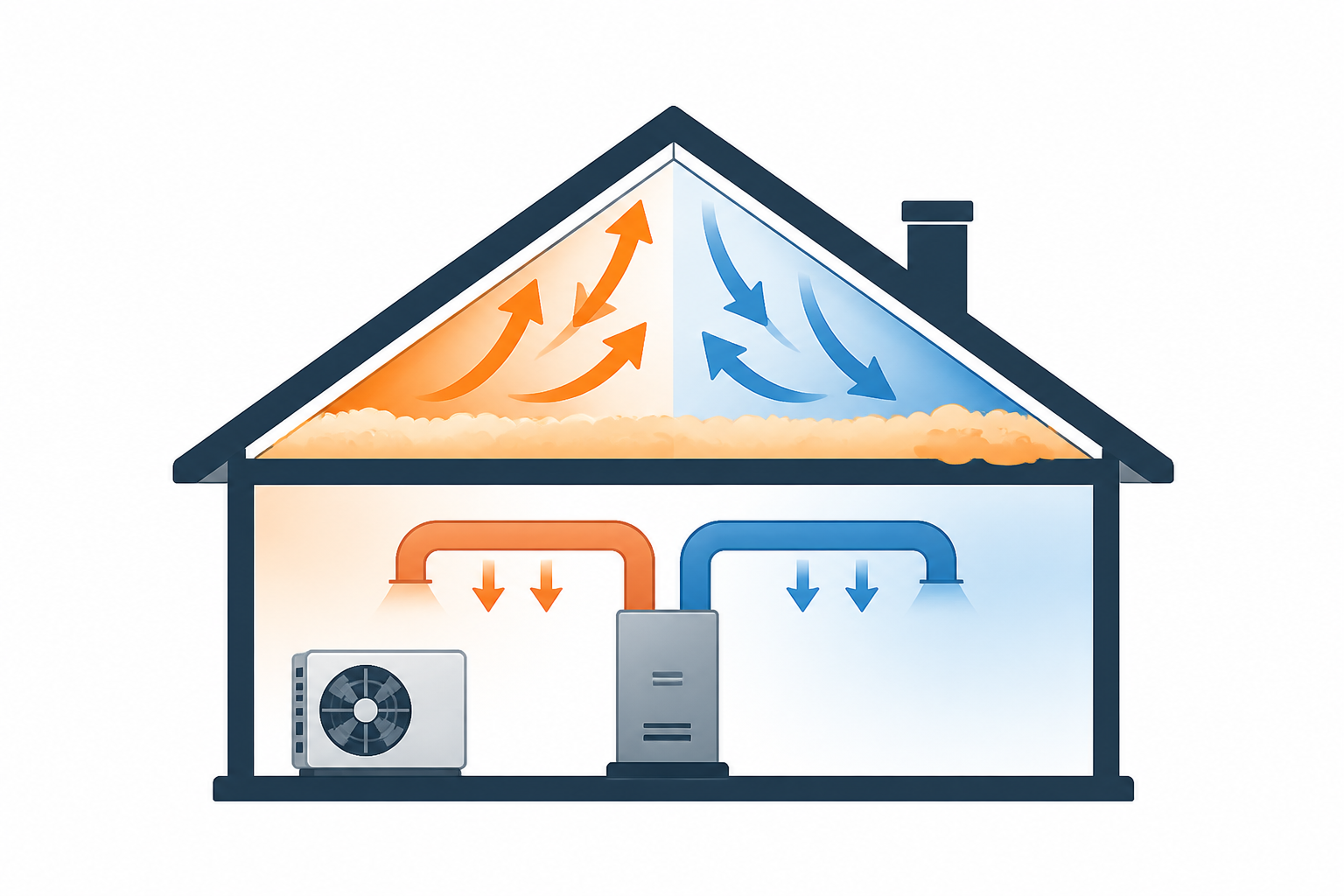
Here’s the physics in plain English. Your air conditioner doesn’t “create” cold air — it moves heat. The indoor evaporator coil absorbs heat from your home’s air, and the refrigerant carries that heat outside to the condenser coil, where it’s rejected into the outdoor air. That rejection process is the whole ballgame. If the condenser can’t dump heat efficiently, the entire system backs up — like trying to drain a bathtub with a partially clogged drain.
When the condenser coils are clogged with cottonwood seeds, grass clippings, pet hair, or compacted dirt — which is almost always the case on units that haven’t been serviced — the airflow through the coil drops dramatically. The refrigerant can’t shed its heat load, so the system’s high-side pressure climbs. On a clean unit running R-410A refrigerant in 90°F ambient heat, you’d expect to see discharge pressures around 400–420 PSI. On a badly clogged unit, I’ve logged pressures north of 500 PSI. That’s not a minor difference. That’s your compressor working under sustained mechanical stress, running hotter, consuming more electricity, and shortening its own lifespan with every hour of operation.
The Department of Energy has published figures suggesting that dirty coils can reduce system efficiency by 10–25%, and in my field experience, that range tracks. On a system that’s drawing 3,500 watts under normal conditions, a 20% efficiency hit means you’re wasting 700 watts every single hour the system runs. At the national average electricity rate, that adds up to real money across a cooling season — and it all accelerates compressor wear that leads to the most expensive repair in HVAC: a failed compressor, which often runs $1,500–$2,500 installed, sometimes more.
The other villain that most homeowners completely overlook is bent fins. The aluminum fins on a condenser coil are thin — we’re talking about fins that are typically spaced 12–20 fins per inch, each one only a few thousandths of an inch thick. A misplaced kick, a hailstorm, an overzealous pressure washer, or even a weed trimmer can bend dozens of fins flat, permanently blocking airflow through that section of the coil. I’ve pulled the grille off units and found 30–40% of the fin surface area crushed and matted — on a system the homeowner thought was “running fine.” Partially it was. Partially it was just running harder than it should have been, for years.
Clearance matters too. Most manufacturers require a minimum of 24 inches of clear space on all sides of the outdoor unit and unrestricted airflow above it. Overgrown shrubs, privacy fencing installed too close, stored lumber or garden equipment — all of it starves the unit of the return air it needs to function. I see this constantly in suburban back yards where landscaping has grown up around a unit that was installed with adequate clearance a decade ago.
The Fin Comb That Let Me Avoid a $1,200 Condenser Replacement
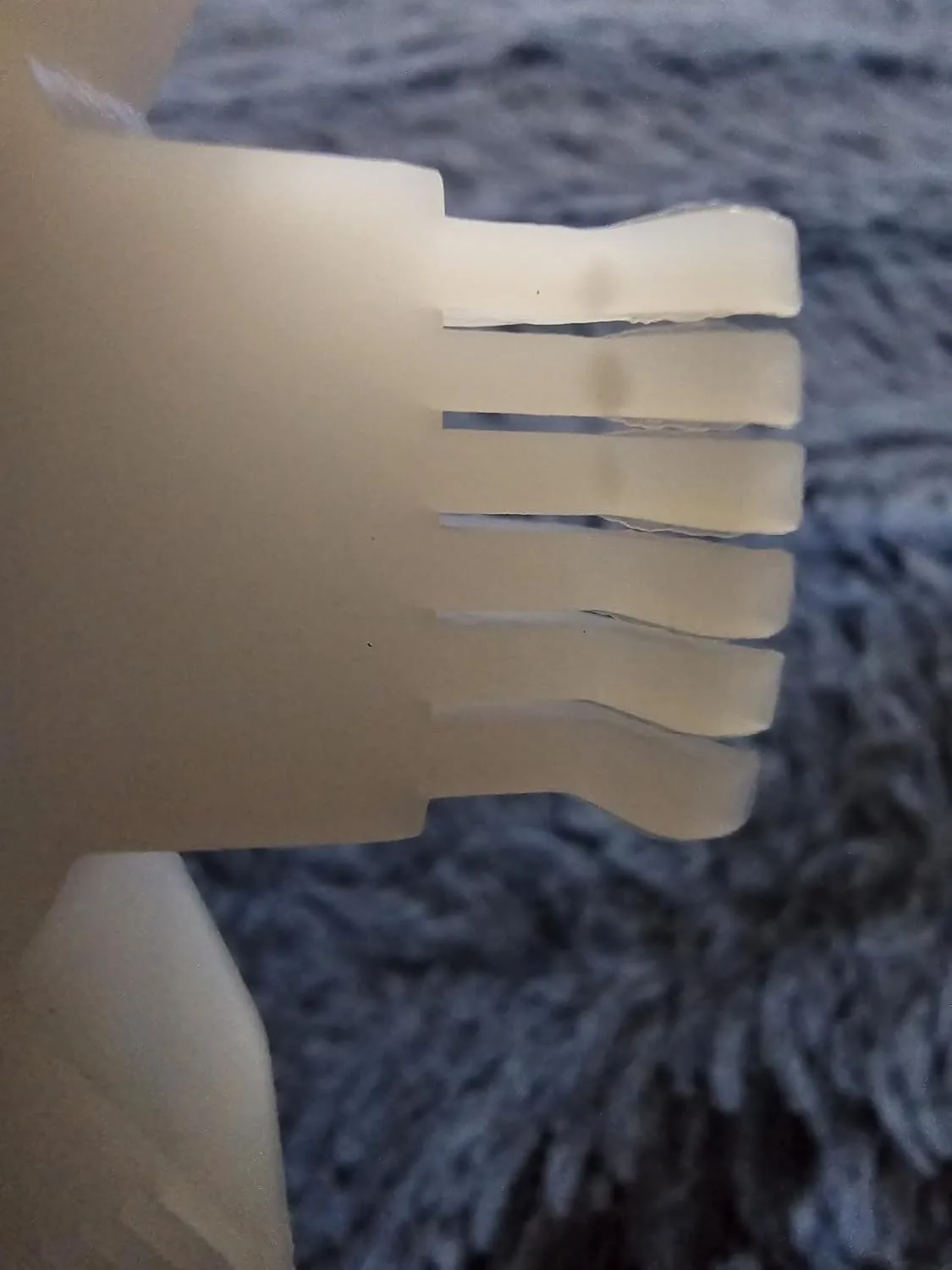
Once you’ve cleared out the major debris, your condenser fins are still bent and matted down — and that’s where your AC efficiency really suffers. A fin comb isn’t glamorous, but it’s the difference between a unit that limps along and one that actually breathes.
What works
- Straightens aluminum fins without tearing or puncturing them — I’ve caught bent fins on units that were choking airflow by nearly 40%.
- Comes with multiple comb sizes so you can match the fin spacing on your specific unit (critical: wrong size wastes your time).
- Pays for itself in one month if it keeps your compressor from short-cycling — I’ve seen homeowners drop their June-July cooling costs by $50+ just from this step alone.
What doesn’t
- Won’t fix severely damaged fins — if they’re torn or corroded, you’re looking at condenser coil replacement anyway.
- Requires you to shut off power and let the unit cool before you touch it; impatient homeowners sometimes skip this and get a nasty shock or refrigerant exposure.
I’ll admit, the first time I used a basic fin comb I was skeptical — looked like a glorified hair brush — but when I ran the numbers on Greg’s post-cleaning energy consumption, I was sold. Grab the LONCHDAN 10 Pcs Air Conditioner Fin Comb Cleaner Kit before you call a service tech.
This post contains affiliate links. As an Amazon Associate, I earn from qualifying purchases at no extra cost to you.