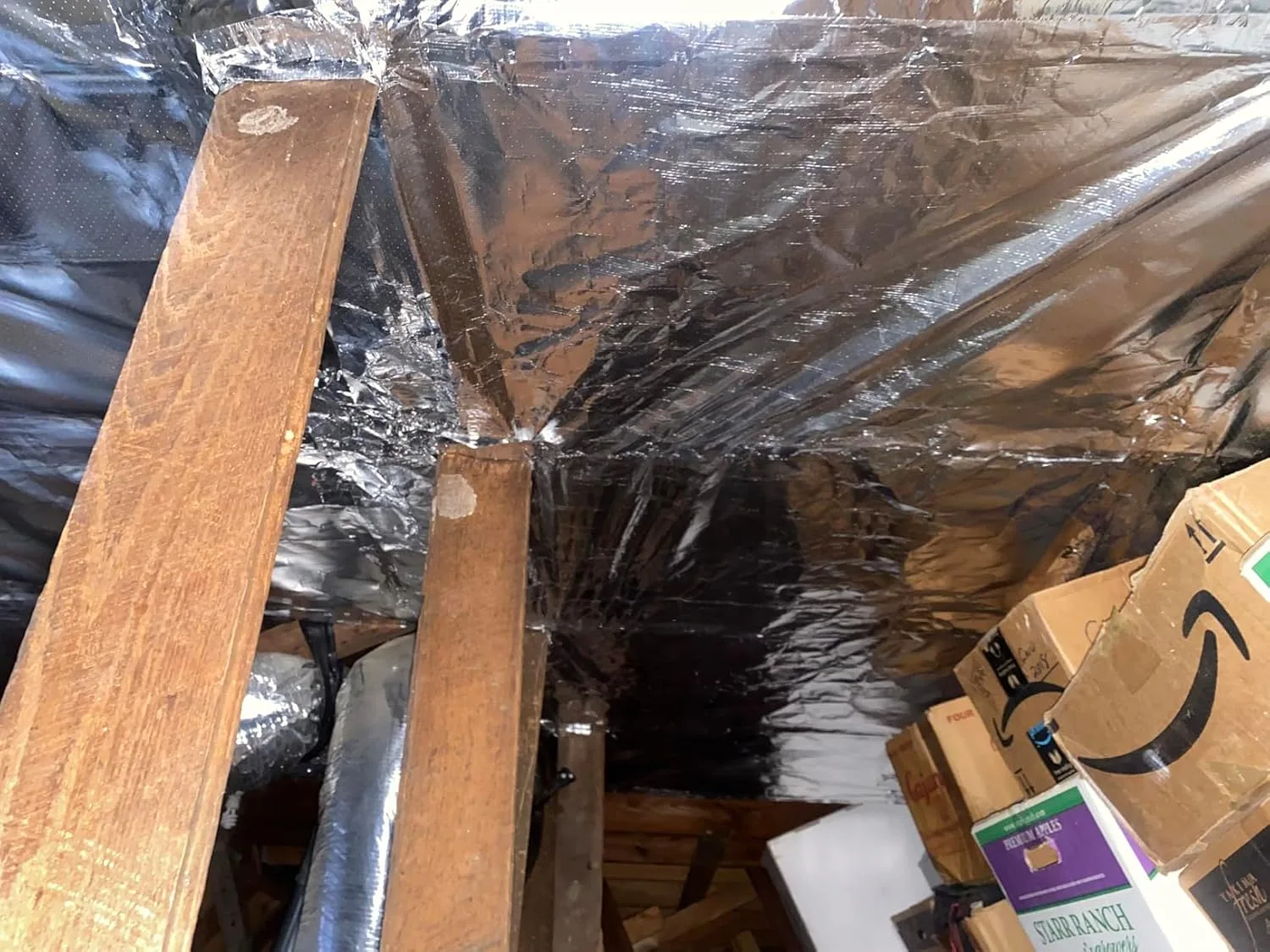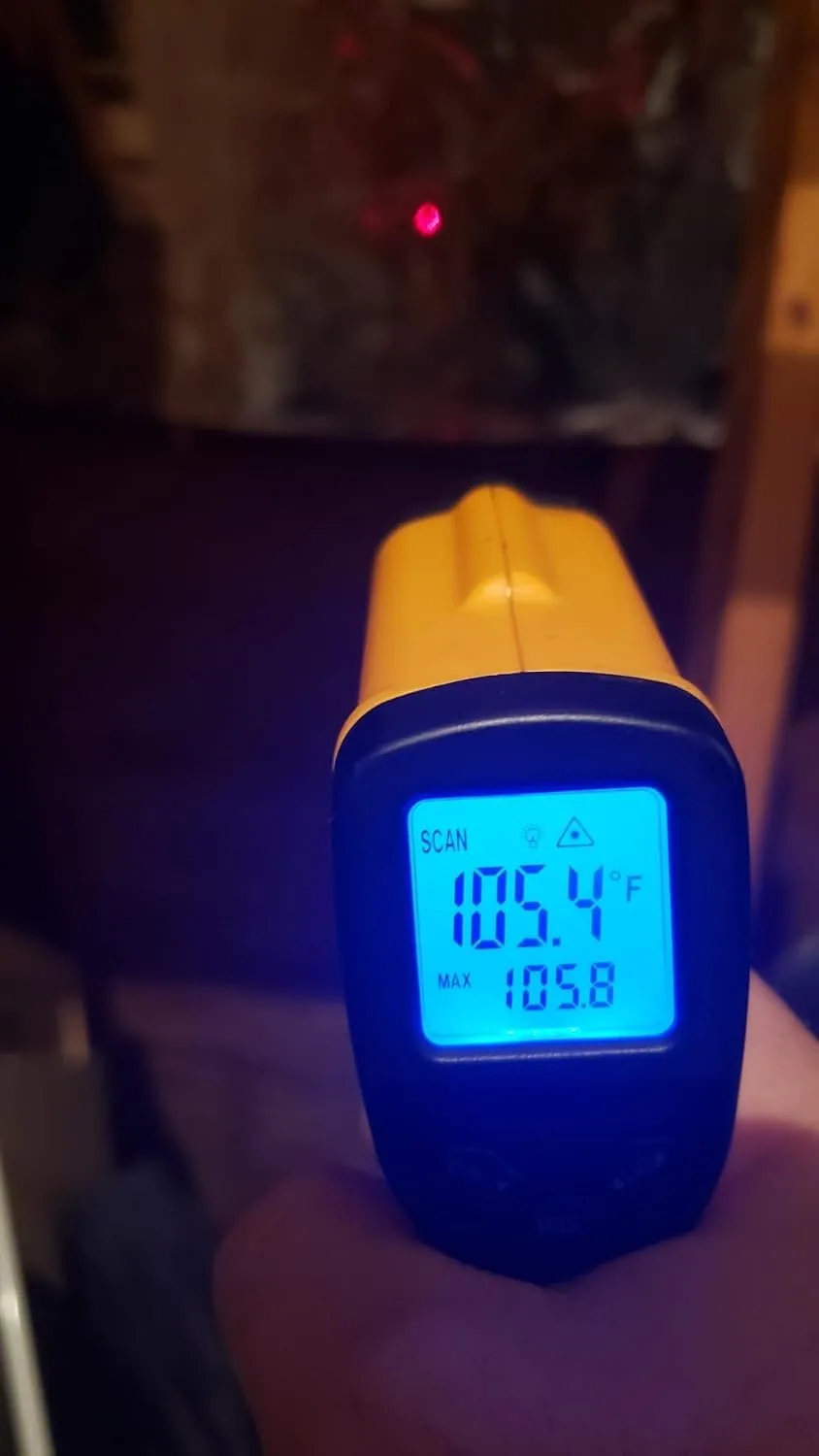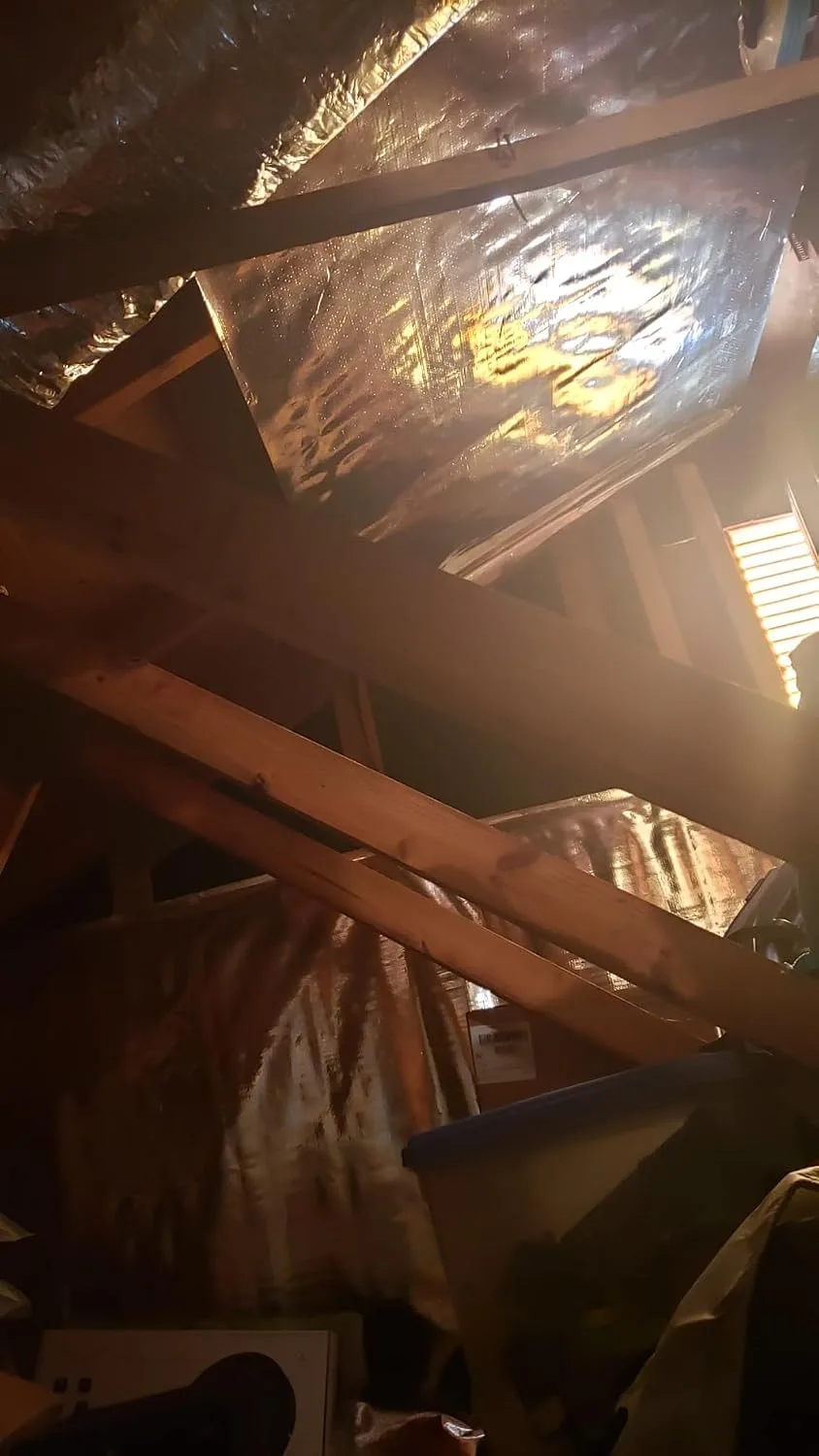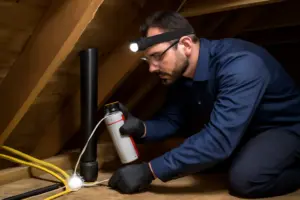
Last summer, I got a call from a homeowner in Gilbert, Arizona — let’s call him Ray — who was furious. He’d just paid a contractor $1,200 to install a radiant barrier in his attic, and his July electric bill was nearly identical to the year before. “The guy told me I’d cut my cooling costs in half,” Ray said. “I feel like I got robbed.” I drove out, pulled my thermal camera, and spent about an hour in his attic. The radiant barrier had been laid flat on the attic floor, directly on top of his existing R-19 insulation, shiny side up. Within one Arizona summer, a thin layer of dust had settled across the entire surface. That foil wasn’t reflecting anything anymore — it was just a $1,200 drop cloth. Ray wasn’t robbed by the product. He was robbed by bad information and worse installation. That visit is exactly why I wanted to write this post. The question of radiant barrier attic does it work doesn’t have a yes or no answer — it has a “it depends, and here’s what nobody tells you” answer. If you’re trying to cut through the marketing noise and figure out whether foil in your attic is actually worth your money, you’re in the right place. I’ve installed, tested, and troubleshot radiant barriers in hundreds of attics across the Southwest, and I’m going to give you the honest version.
Understanding the Problem: How Heat Actually Gets Into Your Home
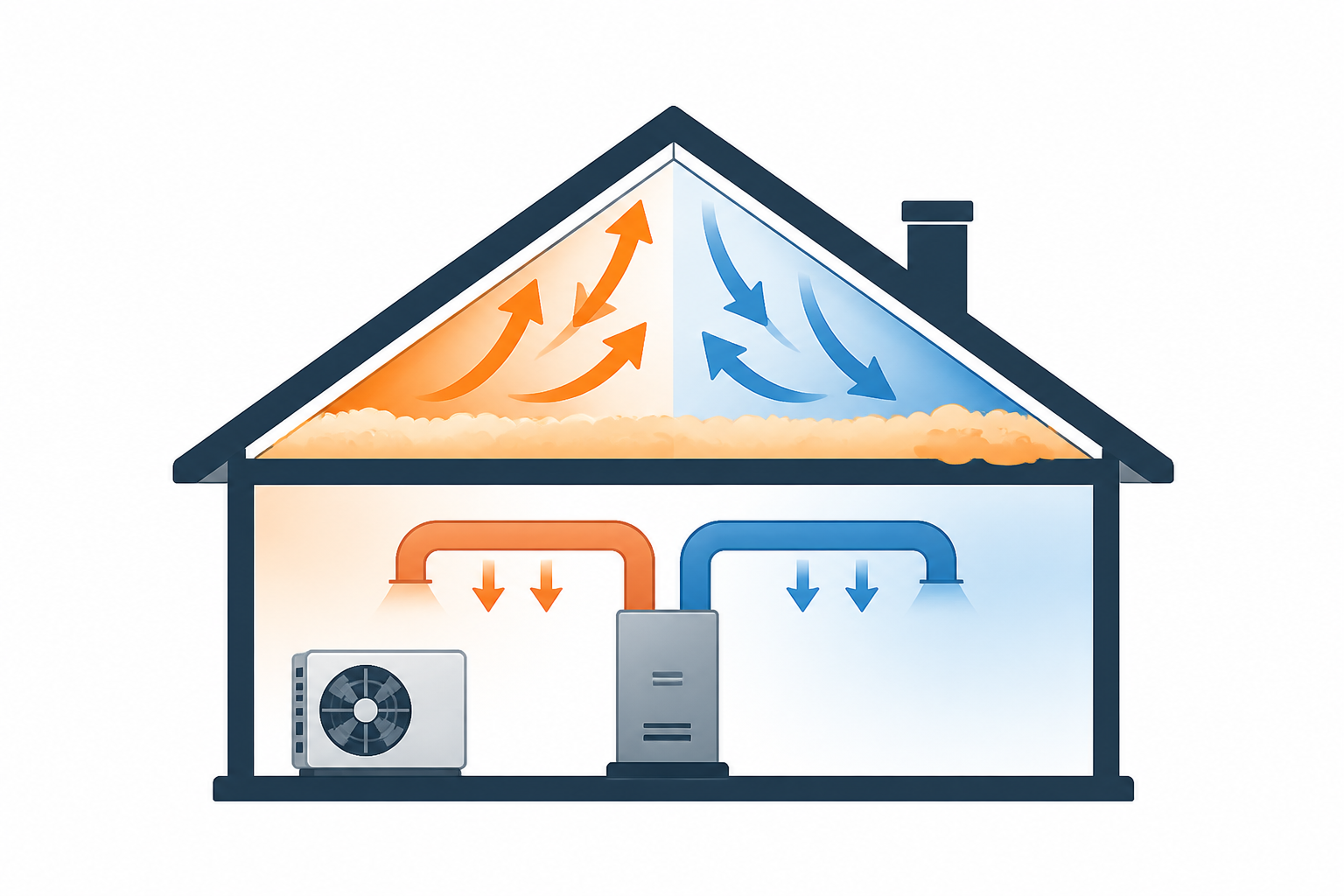
Before you can evaluate whether a radiant barrier is worth it, you need to understand what it does — and more importantly, what it doesn’t do. There are three ways heat moves: conduction (direct contact), convection (air movement), and radiation (infrared energy traveling through space). Your attic insulation — whether it’s blown fiberglass, cellulose, or batts — addresses conduction and convection. It slows heat as it tries to conduct through the ceiling assembly. But it does almost nothing about radiant heat transfer happening above it.
Here’s what’s actually happening in your attic on a hot summer day. Your roof deck — the plywood or OSB under your shingles — can hit temperatures of 150°F to 170°F on a clear July afternoon. That superheated surface radiates infrared energy downward, like a giant space heater pointed at your attic floor insulation. If you’ve got R-19 or even R-30 insulation down there, it’s doing its job of slowing conduction — but it’s absorbing all that radiant energy first, which raises its temperature, which increases the rate of conductive heat transfer into your living space. Your air conditioner has to work harder. Your ductwork — if it runs through that attic — is sitting in 140°F air and hemorrhaging conditioned air before it ever reaches your vents.
A radiant barrier works differently than insulation. It’s a highly reflective aluminum foil material (typically 95-97% reflectivity) that bounces that infrared radiation back toward the roof deck rather than absorbing it. It doesn’t add R-value — none, zero. What it does is reduce the radiant heat load hitting your insulation in the first place. DOE studies and field testing have consistently shown that in hot, sunny climates — think IECC climate zones 1 through 3, which covers Florida, Texas, Arizona, New Mexico, and the Gulf Coast states — a properly installed radiant barrier can reduce attic temperatures by 20°F to 30°F and cut cooling costs by roughly 5 to 10 percent. In real dollars, that’s typically $50 to $150 per year depending on your home size, utility rates, and how much ductwork you have in the attic.
Now here’s where the marketing goes off the rails. Some contractors and product sellers will tell you 40% savings. That number is not supported by any peer-reviewed building science research I’ve ever seen. It might apply to an extreme edge case with an unusually under-insulated home, single-pane skylights, and ductwork running directly under the roof deck in Phoenix — but for most homes, it’s fiction. The honest number is 5-10% cooling cost reduction in hot climates. That’s still real money, and it’s still worth considering — but you need accurate expectations going in. And if you’re in Minnesota, Michigan, or anywhere heating dominates your annual energy bill? A radiant barrier will do essentially nothing for you. Heat loss in winter is driven by conduction and air leakage, not radiation through your roof.
The Radiant Barrier That Actually Performs When Installed Right
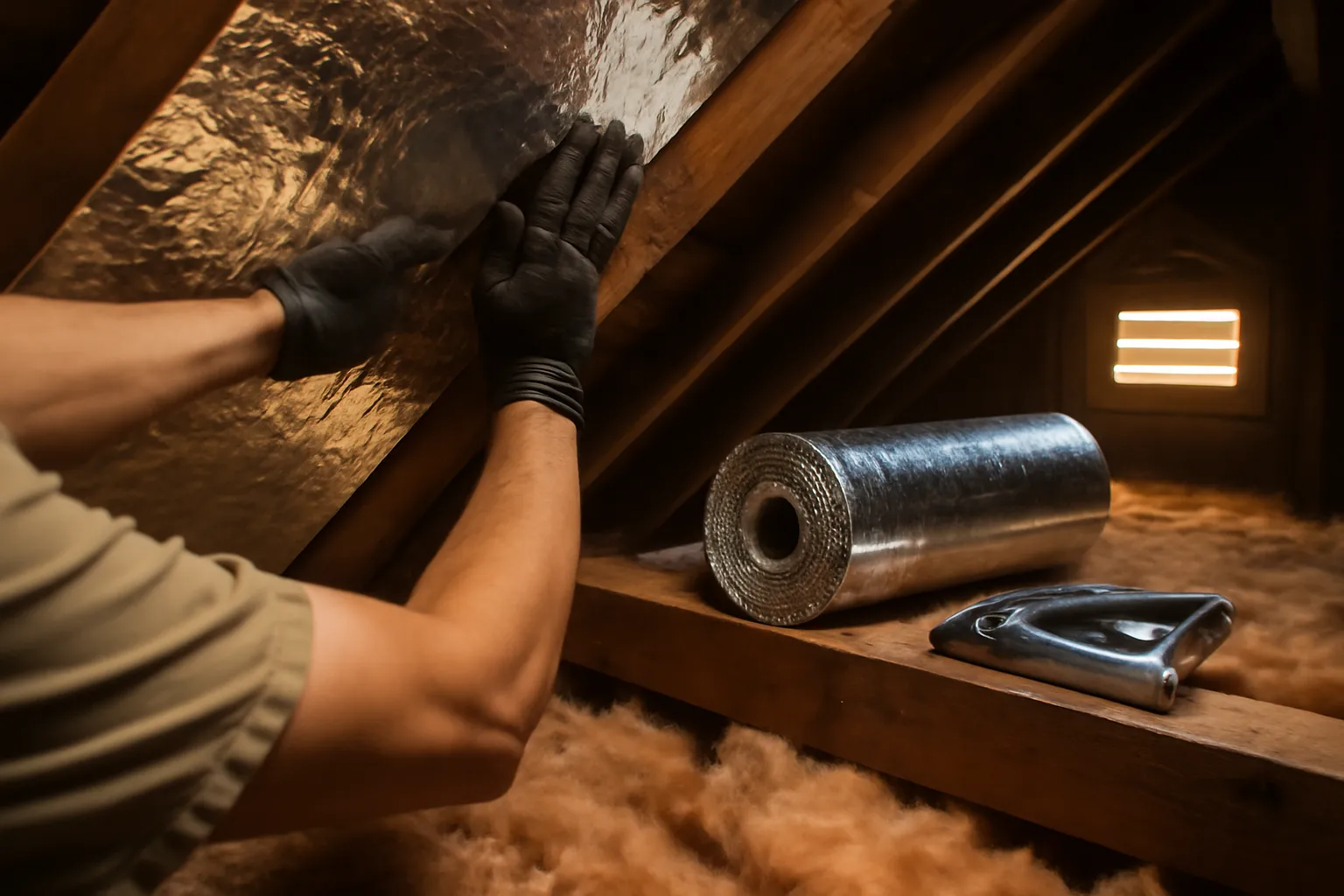
Most radiant barrier failures I see in the field come down to one thing: improper installation killing the reflective advantage. If you’re going to invest in this material, it needs airspace beneath it—and a product built to stay flat and accessible in tight attic conditions.
What works
- Heavy-duty, perforated construction resists sagging and tearing during install—critical when you’re working in cramped attic joists on a 130°F day
- The 1000 sq ft roll length reduces seams and gaps, which means fewer places for radiant heat to sneak through
- Performs measurably when stapled to rafter undersides with clear airspace below, delivering 5–10°F attic temperature drops in direct sun exposure
What doesn’t
- It’s a secondary strategy—not a replacement for bulk insulation—so expect modest utility savings, not Ray’s promised 50% reduction
- Installation labor and precision matter more than the material itself; a $1,200 flat-laid install will disappoint every time
I almost skipped radiant barrier on my own 2008 remodel in Tempe until I realized the attic deck was already pulling 165°F midday—that’s when I understood the physics actually worked. That’s when I reached for the RadiantGUARD® Radiant Barrier Xtreme Attic Insulation 1000 sq ft, 4 x 250ft.
This post contains affiliate links. As an Amazon Associate, I earn from qualifying purchases at no extra cost to you.