Here’s the myth I spent years reinforcing without meaning to: that a portable air purifier is basically a placebo if your HVAC system already has decent filtration. I told clients this constantly. Then my own sinuses forced me to check my own advice against reality. Last spring I ran a controlled 30-day trial in my own bedroom, logged the numbers daily, and the outcome didn’t match the story I’d been telling homeowners for years. Below is the full breakdown — the wins, the caveats, and the honest verdict I’d now give anyone weighing this purchase.
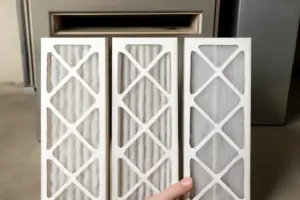
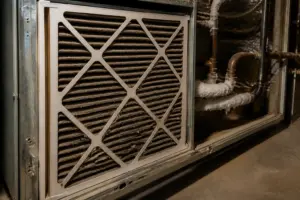
April is always brutal for me — watery eyes, stuffed sinuses, sneezing fits before I’ve even had coffee. Given that my job has me climbing through attics and crawlspaces most days, dust, fiberglass particles, and mold spores are basically part of my daily wardrobe. My house is a 1,950-square-foot single-story built in 1987, equipped with a MERV-8 filter on the central HVAC. Problem is, that system only cycles about 8 hours out of 24. The rest of the time, bedrooms and living spaces are left to fend for themselves. That unfiltered gap is exactly where a standalone purifier can pull its weight.
So rather than guess, I treated it like an actual experiment. I chose one specific unit, established measurable starting points, and logged my symptoms every single day for a month. Alongside that, an indoor air quality monitor tracked particulate counts — PM2.5 specifically — both before the unit ran and after. What follows is the raw outcome.
Building the Test: My Baseline Numbers First
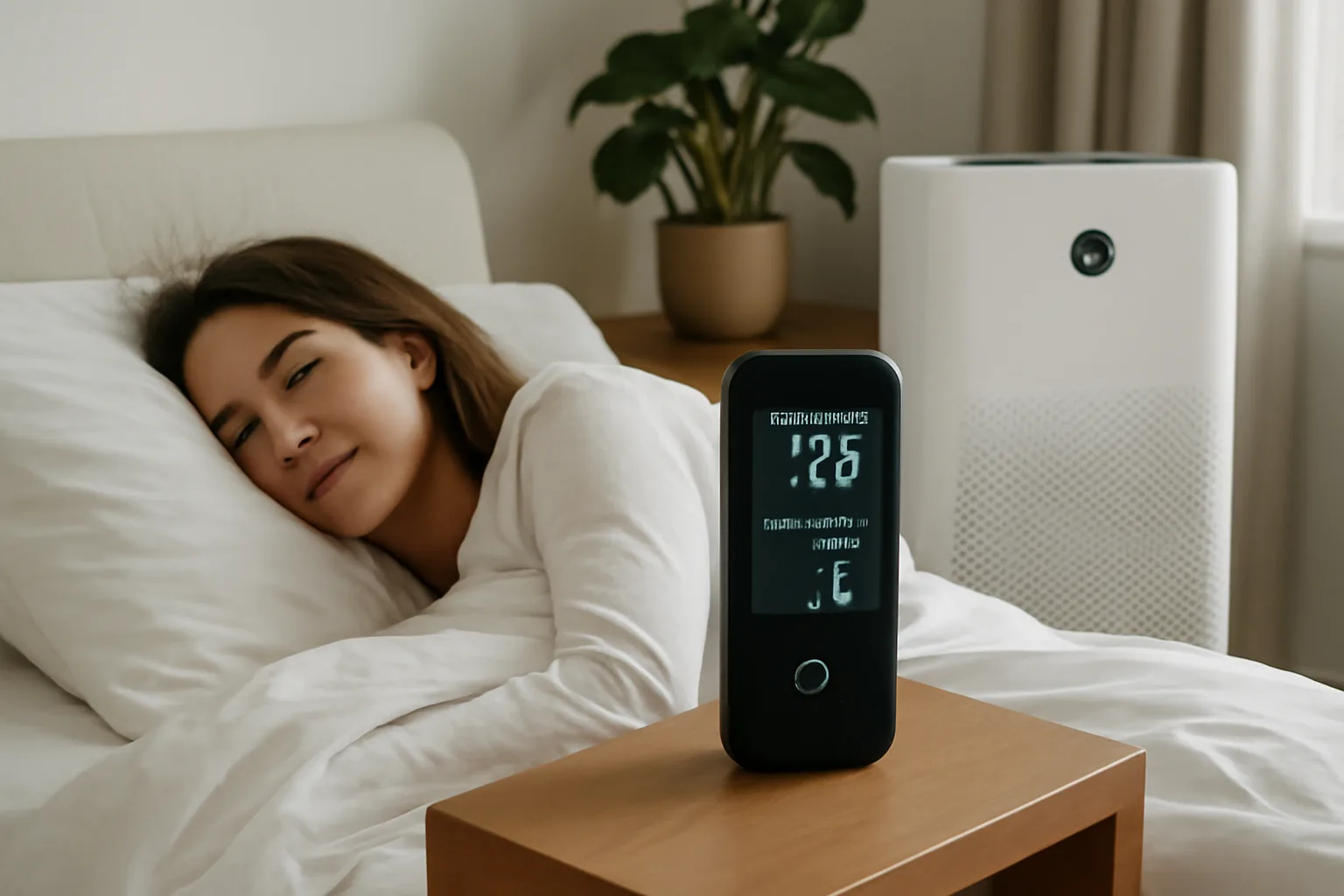
No test means anything without a starting point, so that came first. Using a Temtop LKC-1000S monitor, I logged bedroom PM2.5 readings for a full week with no purifier running at all. The average came out to 18.4 micrograms per cubic meter (µg/m³). By EPA standards that technically qualifies as “good,” but it sits toward the upper edge of that range — not exactly reassuring for a room where you’re inhaling the same air for 7 to 8 straight hours every night.
Alongside the meter readings, I tracked how I actually felt. Each morning, within 15 minutes of getting up, I rated sneezing, congestion, and eye irritation on a 1-to-10 scale. The combined pre-test average landed at 6.2 — rough enough to make the start of every day unpleasant. Worth noting: I skipped antihistamines entirely during the trial so the data wouldn’t be muddied by medication.
Where the unit sat in the room made a difference, too. I placed it 18 inches from the head of the bed, centered against the wall, in a 280-square-foot room, with windows and doors shut every night. That setup mirrors what AHAM (Association of Home Appliance Manufacturers) recommends for getting an accurate read on CADR (Clean Air Delivery Rate) performance. Skip the standardized conditions, and you’re not testing anything — you’re just speculating.
The Numbers After 30 Days — What Actually Changed
Seven days in, my PM2.5 average had fallen to 7.1 µg/m³ — a 61% drop in measurable airborne particulate inside the bedroom. By day fourteen it plateaued near 6.4 µg/m³ and held steady through the rest of the month. Honestly, that stability impressed me more than the initial drop did. Night after night, the room stayed clean without any extra effort on my part.
The symptom log tracked right alongside it. By the two-week mark, my morning average had fallen from 6.2 down to 2.8. Sneezing, once a daily guarantee, showed up maybe once or twice across the entire 30 days. Eye irritation — previously my worst symptom — was nearly gone. Congestion took the longest to budge, dropping from a 7 to a 3, which I’d credit partly to the filtration and partly to the mild humidification effect from the unit running through the night.
What I’ve noticed over the years is that people vastly underestimate how much allergen material builds up in a sealed bedroom overnight. Dust mite waste, pet dander, pollen carried in on clothes — it all drifts down and then gets kicked back into the air every time you shift in your sleep. Run a HEPA-certified filter continuously, even on a low setting, and it intercepts that recirculating particulate before it ever reaches your airway. That’s the whole mechanism at work, and my numbers confirm it holds up in practice.
The Catch I’d Be Lying If I Left Out
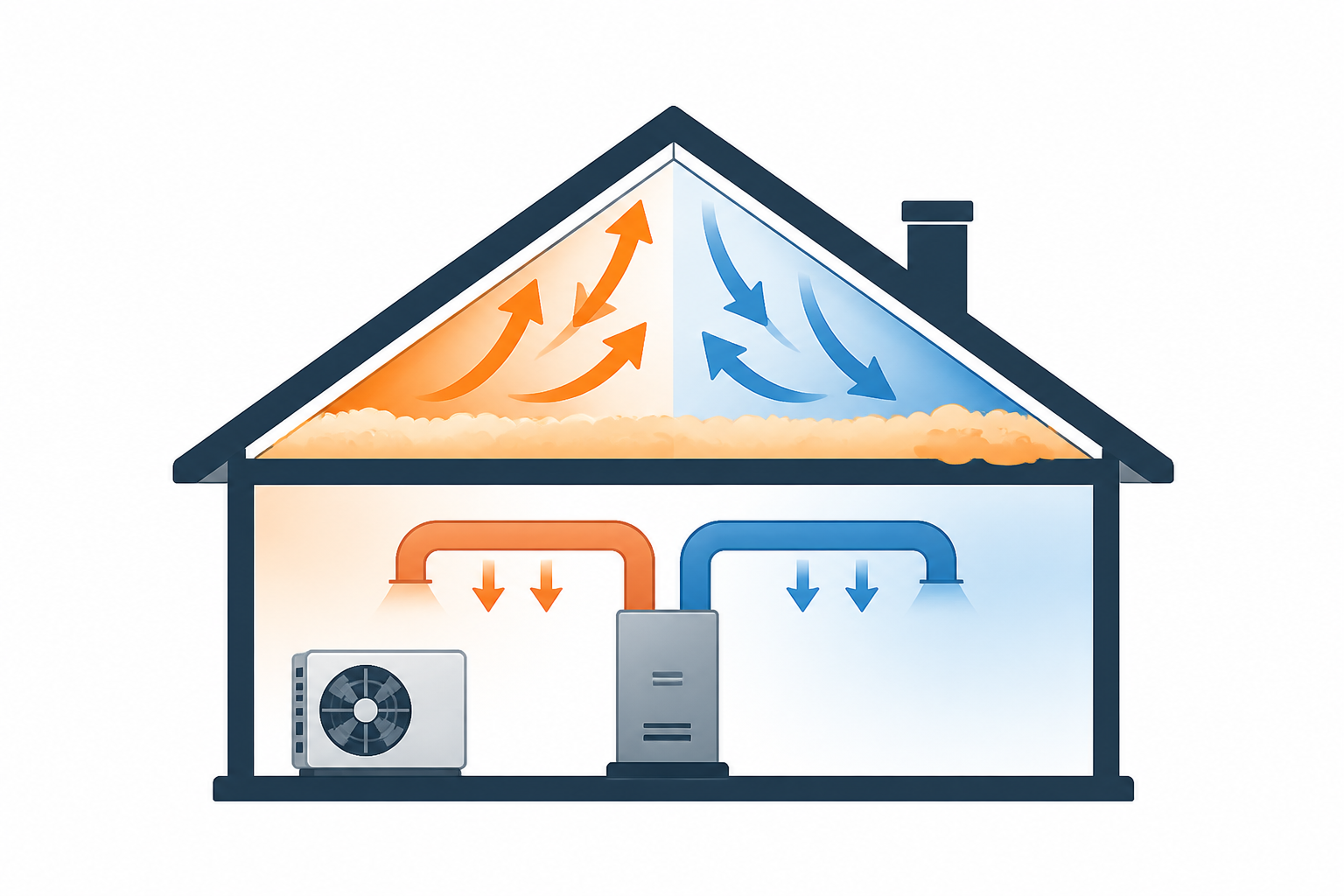
A purifier never addresses where the allergens are coming from — it only cleans up what’s already airborne. If your attic’s leaking conditioned air and drawing in outdoor pollen through a failed vapor barrier, a portable unit is essentially bailing water into a sinking boat. I’ve walked into homes where the envelope was so leaky that not even a commercial-grade purifier could keep pace with the intrusion. Fix the source first — air sealing, solid HVAC filtration, humidity control. Only after that does a purifier function as an added layer rather than a band-aid over a bigger problem.
The HEPA Label Confusion That Costs Allergy Sufferers Money
Every air purifier is not built the same, and this is the part where I have to get into the weeds, because the marketing on these products is often flat-out deceptive. True HEPA — under the DOE definition — traps 99.97% of particles sized at 0.3 microns, the so-called MPPS (most penetrating particle size). Everyday allergens — dust mite waste, mold spores, pet dander — range anywhere from 0.5 to 100 microns. A genuine HEPA filter handles the whole range.
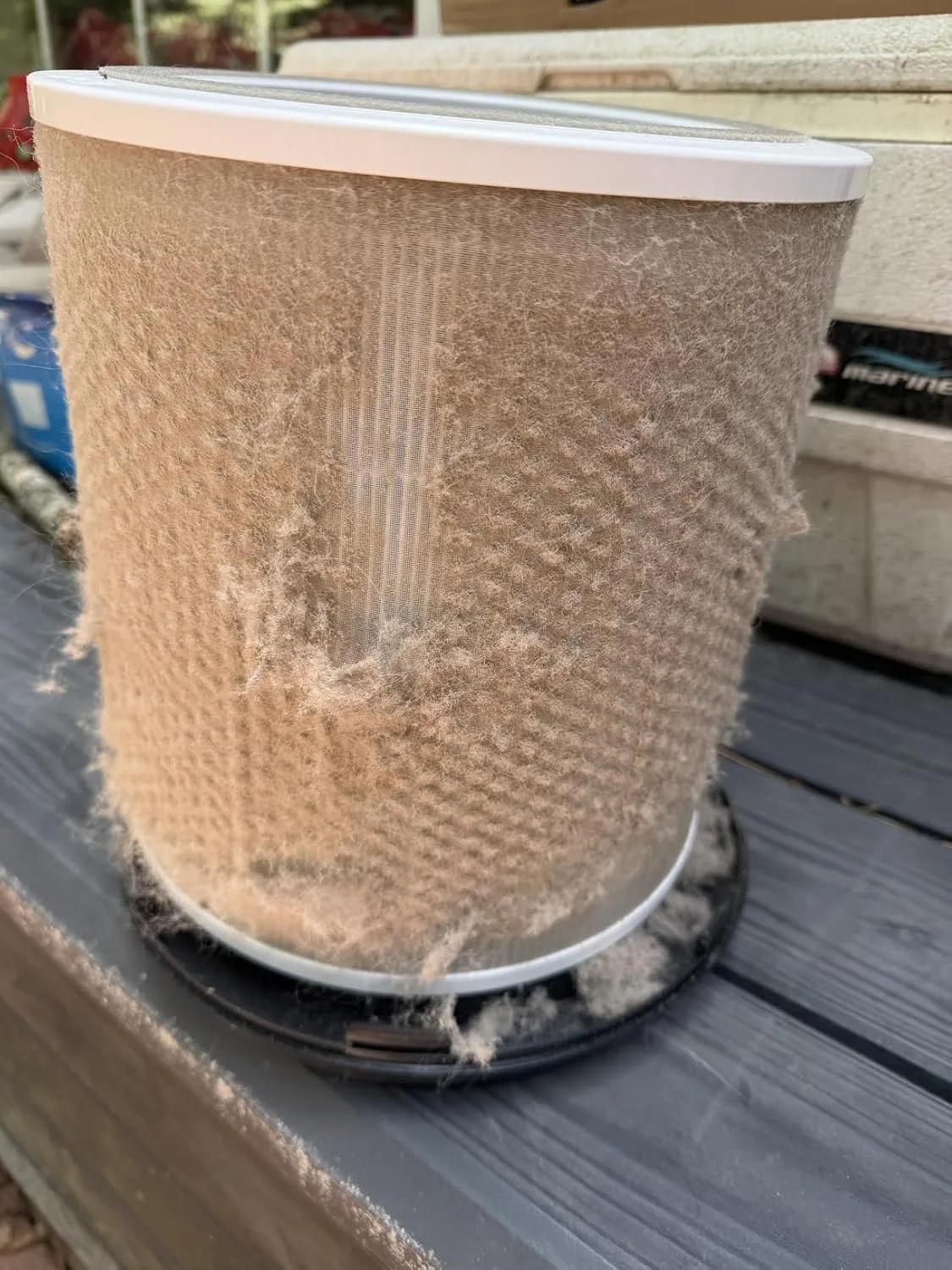
Labels like “HEPA-type” or “HEPA-style” are an entirely different animal. I once disassembled a cheap $40 unit from a big-box retailer just to see what was inside. The filter media looked convincing enough, but the seal around the frame was sloppy, letting a substantial amount of air bypass the media completely. In practice, that unit wasn’t filtering much of anything. Pay for a model with verified, properly sealed HEPA media instead. Look for the AHAM VERIFIDE mark — it’s the industry’s benchmark for confirming a unit’s real-world CADR rather than a marketing claim.
CADR gets measured in cubic feet per minute across three categories: smoke, dust, and pollen. For a bedroom in the 250–300-square-foot range, you want a CADR somewhere around 150–200 for dust and pollen to actually achieve meaningful air turnover. Match the unit’s rating to your room’s size — every time. A little oversizing won’t hurt anything. Undersizing, though, forces the unit to run flat-out constantly, shortens its lifespan, and still leaves the air under-filtered.
The Unit That Changed My Mind About Nighttime Allergy Relief
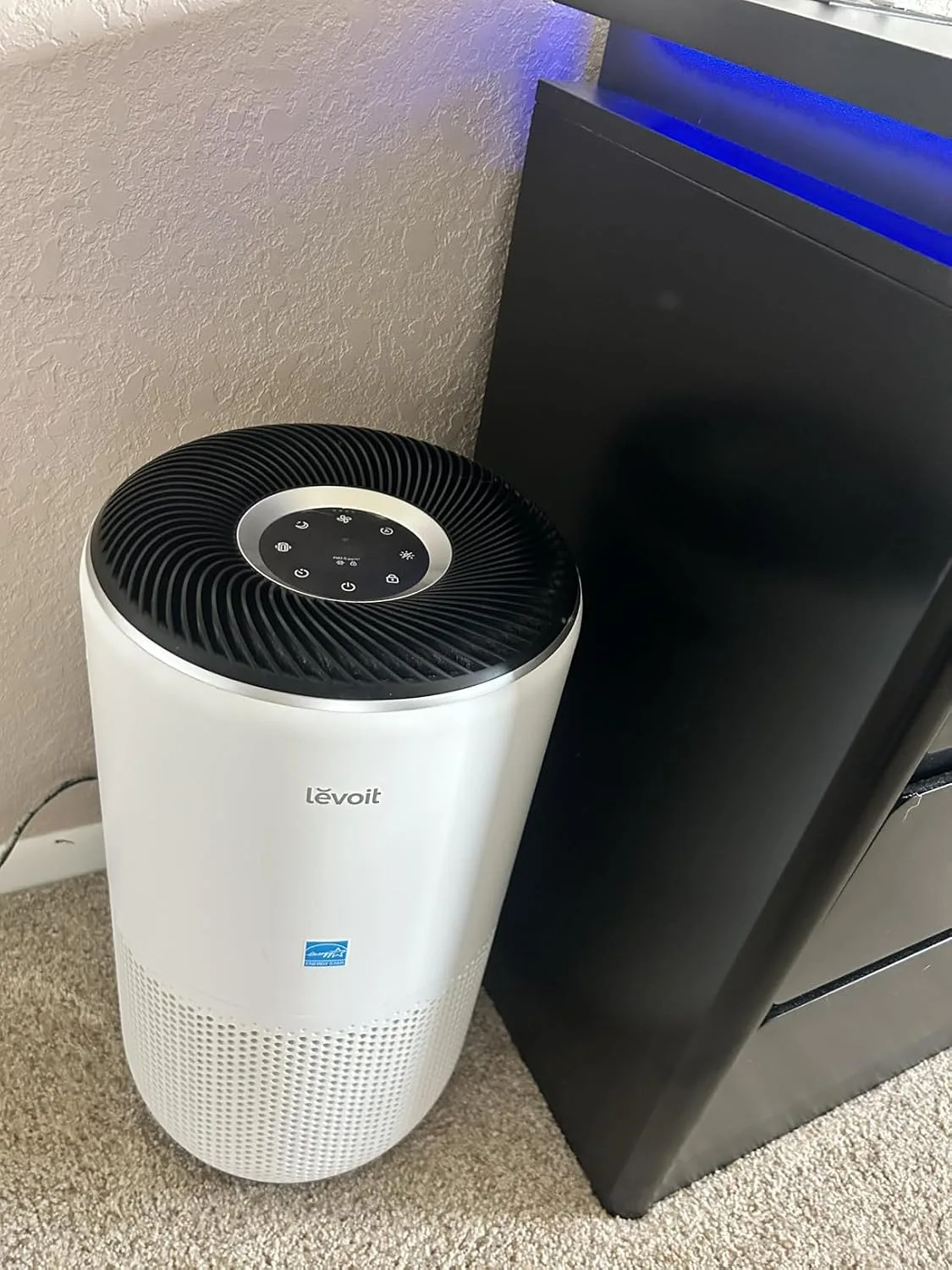
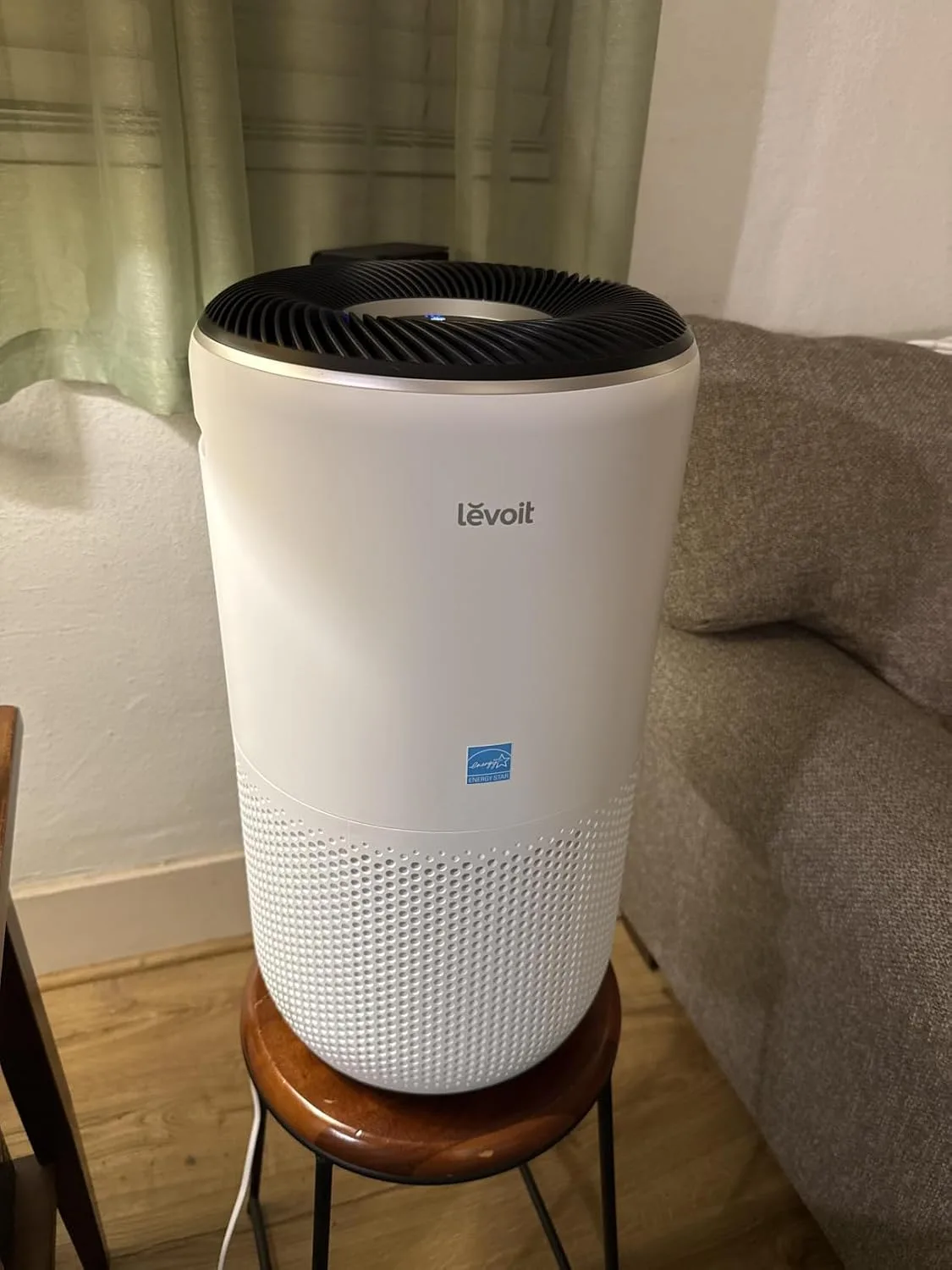
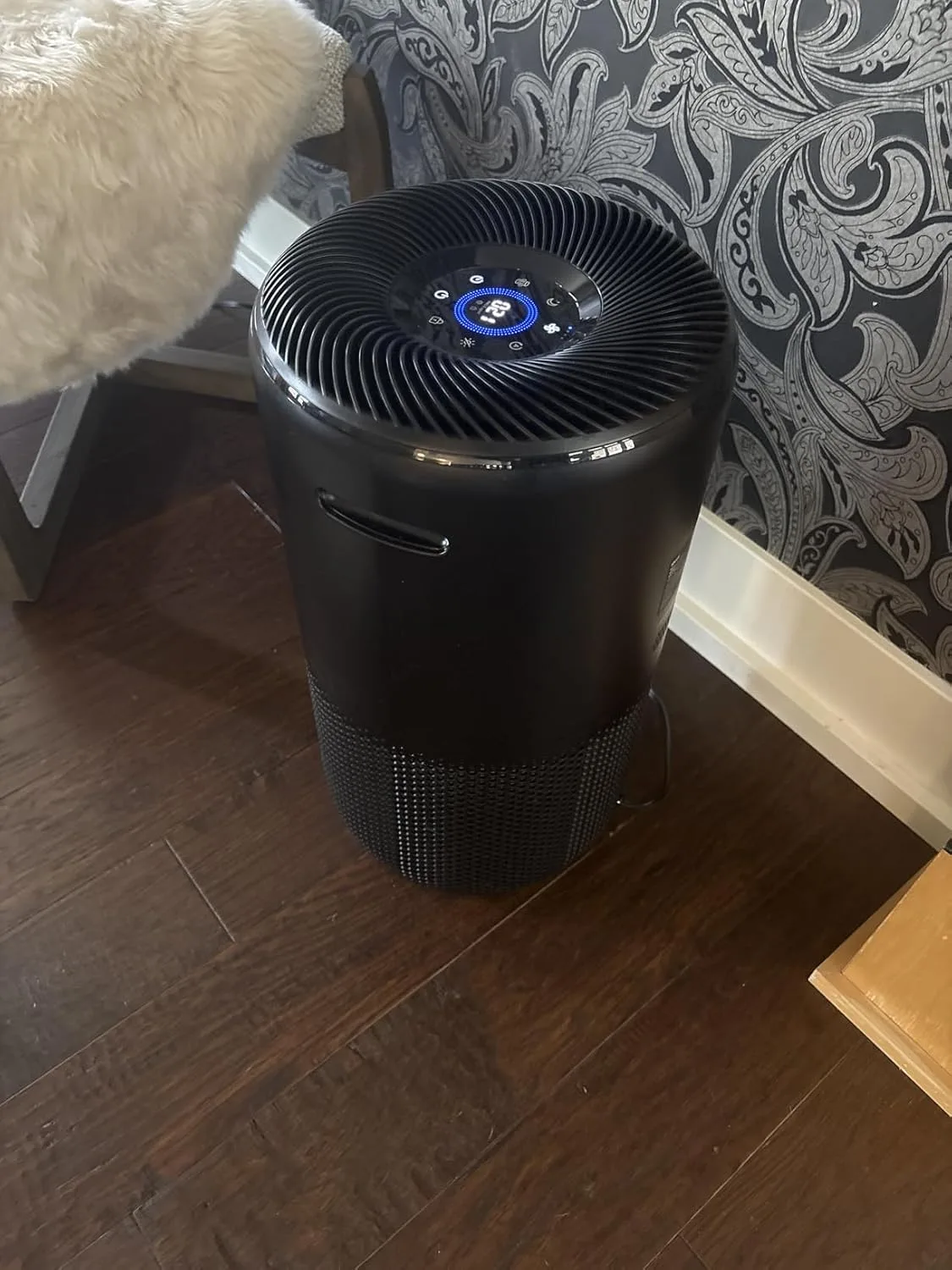
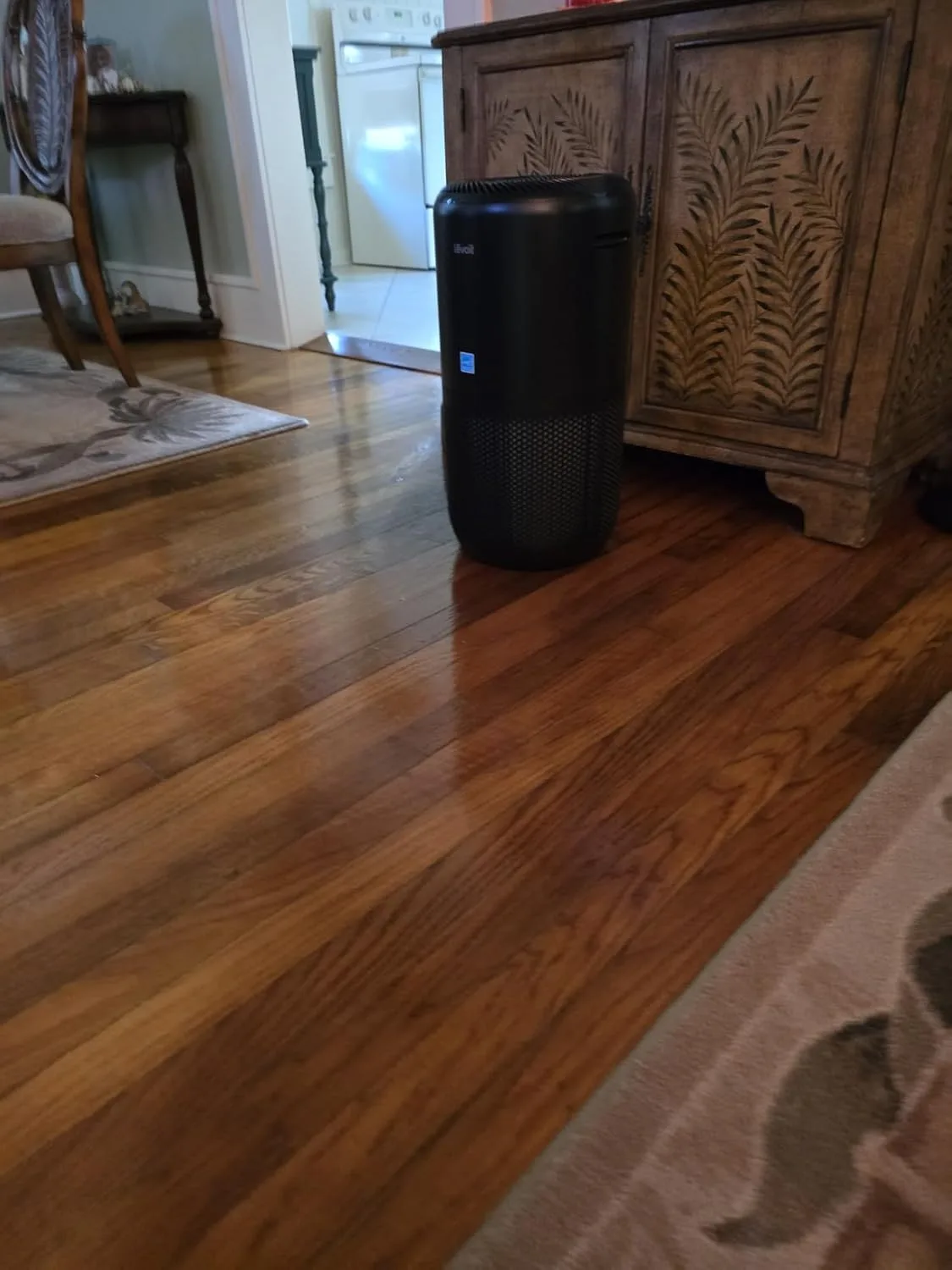
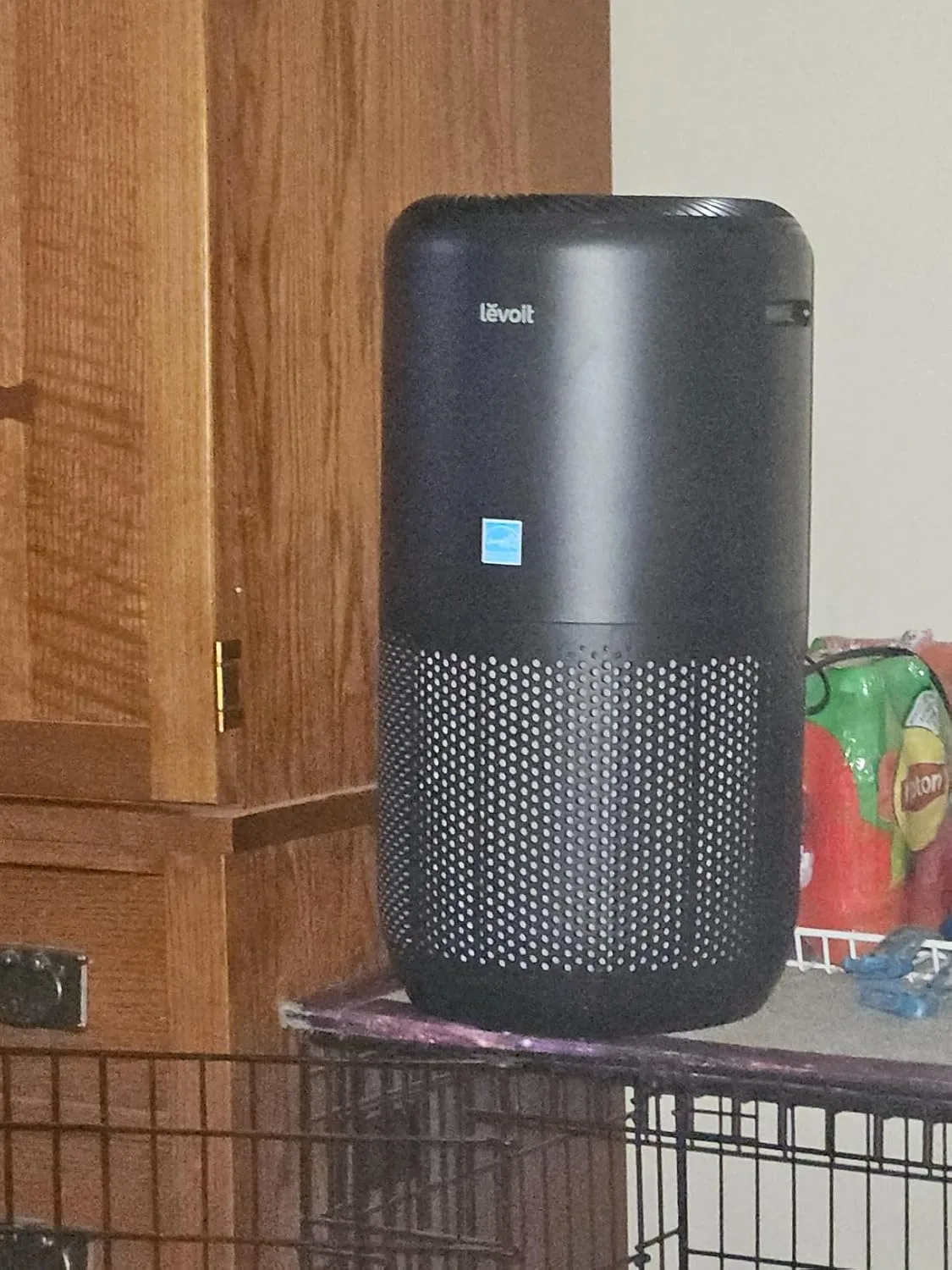
After years of writing off standalone purifiers as unnecessary, I needed a unit capable of handling the allergen load in my bedroom overnight, since that’s where my symptoms hit hardest. The LEVOIT Core 400S-P ended up being my test unit, and running it made something click: there’s a genuine gap between what whole-home HVAC filtration accomplishes and what continuous, localized cleaning does in the specific room where you sleep.
Where it delivered
- Morning congestion noticeably eased by day 4 — a real, felt difference the moment I woke up, not something I had to convince myself of
- Stays quiet enough on the low setting to run all night undisturbed, which mattered since round-the-clock operation was essential to seeing genuine results
- The companion app tracks filter life and air quality in real time, which lined up perfectly with the structured way I was logging this whole test
Where it falls short
- It only covers a single room — this isn’t a substitute for keeping your central system properly maintained, which remains your real foundation for whole-house air quality
- Replacement filters add up quickly under continuous use; plan on roughly $40–50 every three months during heavy allergy stretches
I almost abandoned the test halfway through week two because I wasn’t seeing the dramatic overnight improvement I expected—then I realized I’d been running it on the lowest setting, trying to keep noise down. Once I bumped it to medium during allergy season, the data shifted noticeably. You can check the current price and read verified user reviews on the LEVOIT Core 400S-P.
About This Article
Written by Dana Sorensen. Homeowner turned building-science obsessive. I help other homeowners understand attic insulation, ventilation, and air quality so they can stay comfortable year-round without overspending on energy bills. More about this site.
Scope and limits. Dana is a homeowner who studies building science, not an HVAC contractor or licensed tradesperson. Anything involving combustion appliances, gas lines, or electrical work belongs with a licensed contractor.
Verify this against a primary source
Specifics change, and your situation may differ from the one described here. These are the authorities worth checking directly:
- ENERGY STAR — recommended insulation R-values by climate zone
- U.S. Department of Energy — air sealing and insulation guidance
- EPA Indoor Air Quality — ventilation and indoor air quality standards