Search “furnace short cycling” online and you’ll run into two clashing pieces of advice. One thread tells you to replace the thermostat first, since it’s the flashiest part to point a finger at. Another insists you call a tech out immediately, treating every short cycle as proof of a cracked heat exchanger. The first is usually wrong, and it’s the one that costs homeowners real money. Short cycling is what happens when your furnace fires up, runs for a minute or two, then shuts off — only to restart the same pattern again shortly after. In the 12 years I’ve spent working on furnaces, this ranks among the top complaints landing on my schedule every winter without fail. Knowing which of a handful of real furnace short cycling causes is actually at play is the difference between a fix that costs nothing and a service call that runs $400. I’ve also learned not to trust appearances: I’ve shown up to jobs where the homeowner swore the system was practically new, only to find the thermostat mounted in a sun-drenched hallway or the filter slid in backwards.
Here’s the thing I repeat to every homeowner I meet: short cycling doesn’t happen for no reason. Your furnace is reacting to something real, and shutting itself down is its way of protecting itself. The real task is pinpointing which issue is setting it off — I’ve had calls that wrapped up in three minutes and others that ate up most of an afternoon of troubleshooting.
Below are the four causes I run through first on any short-cycling appointment, ranked by how frequently each one actually turns out to be the culprit. Work through these before you pay for a diagnostic visit you might not even need.
Defining Short Cycling — And Why It’s Worth Taking Seriously
A furnace running normally holds a cycle somewhere between 10 and 15 minutes. Once cycles start wrapping up in under 5 minutes — sometimes as little as 2 — you’re looking at short cycling, and it causes trouble on two fronts. First, your house never settles at a consistent temperature. Second, all that repeated starting and stopping hammers the heat exchanger, blower motor, and ignition components. None of those parts are cheap to replace.
I found this out the hard way early on. A homeowner in Salt Lake City phoned about a rattling furnace, and I zeroed in on the noise, completely overlooking the short cycling happening alongside it. Half a year later, they called back — now with a cracked heat exchanger. That’s not a minor issue; a cracked heat exchanger can let carbon monoxide leak into the living space, which makes it a life-safety concern I take seriously every time. We ended up replacing the whole unit for around $3,200, when a $60 filter change years earlier might have spared them the damage entirely.
That call reshaped how I handle every furnace appointment since. Now I check for short cycling on every single visit, no matter what the original complaint was.
Cause #1: A Dirty, Clogged Filter (What I Find Most Often)
I’ve lost count of how many short-cycling complaints ended with me pulling out a filter that looked more like a wool sweater than an air filter. Restricted airflow tops the list of reasons furnaces short cycle. A clogged filter chokes off the air moving through the system, heat builds up inside the heat exchanger, and the high-limit switch — a safety device built to stop overheating — trips and kills the furnace.
Manufacturers generally recommend swapping 1-inch filters every 30 to 90 days, while thicker 4-inch versions can stretch to 6 to 12 months between changes. The catch is that most homeowners have no idea which filter size their furnace actually takes, so they grab whatever’s cheapest off the shelf — and that choice almost always creates an airflow problem.
The Quick Check You Can Do Today
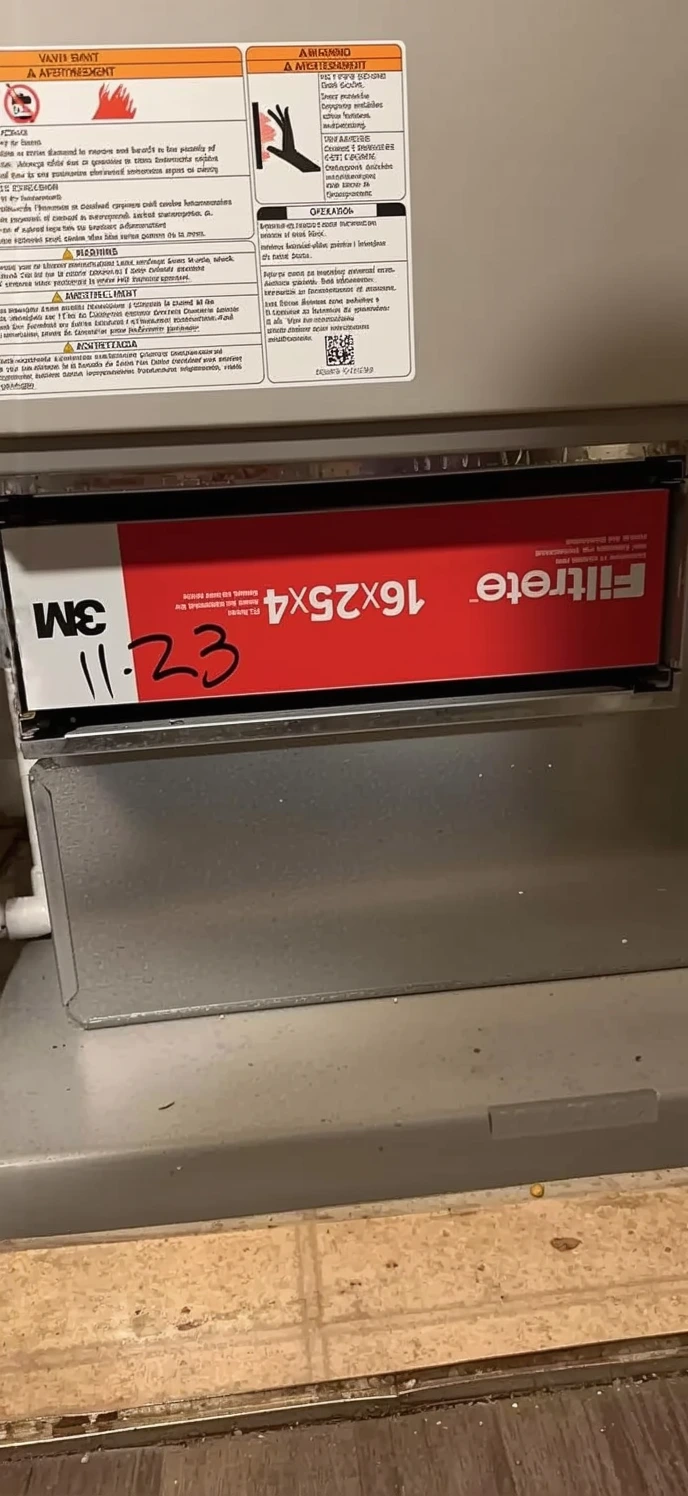
Slide the filter out and hold it up toward a light. If light doesn’t pass through it, replace it right away — a job that takes roughly 90 seconds and less than $20. If the short cycling stops once the new filter’s in, you just avoided paying for a service call.
Last spring, a client in Draper had a Lennox G61MP furnace short cycling every 90 seconds. Turned out the filter — a bargain 1-inch fiberglass — had been sitting in place for over a year. I swapped it, manually reset the high-limit switch, and the furnace ran a clean 13-minute cycle afterward. Total bill: $8. That’s exactly why this is always my starting point.
Cause #2: A Furnace That’s Too Big for the House
This one catches homeowners off guard every time I bring it up. The assumption is that bigger equipment means better heating — it doesn’t. An oversized furnace blasts the area near the thermostat with heat fast, tripping the setpoint before the rest of the house has caught up, then shutting down. The system never gets to complete a proper heating cycle.
Correct furnace sizing comes from a Manual J load calculation, the standard set by ACCA (Air Conditioning Contractors of America). A properly matched furnace runs longer cycles at a moderate output instead of blasting heat for 90 seconds and quitting. From what I’ve seen, about 20% of the homes I’ve been in have oversized equipment — often because a contractor sized up to dodge callbacks during a cold snap.
Unfortunately, this isn’t something you can fix yourself. Once oversizing is confirmed, you’re choosing between a two-stage or variable-speed furnace — which spends most of its time running at reduced capacity — or a complete replacement sized correctly for your home. Expect to invest somewhere between $2,500 and $5,500 depending on home size and equipment chosen. Still, the comfort, efficiency, and extended equipment life that come with it make the investment worthwhile.
Spotting the Signs of an Oversized System
Look at the BTU output printed on your furnace’s rating plate, usually a sticker inside the front panel, then measure that against Manual J guidance for your square footage and climate zone. As a rough rule, homes in moderate climates need about 25 to 30 BTUs per square foot, so a 2,000 sq ft house typically calls for a 50,000 to 60,000 BTU furnace. If your unit’s rating runs well above that, oversizing is likely your problem.
Cause #3: A Faulty Flame Sensor
The flame sensor is a slim metal rod, roughly 2 inches long, sitting in the burner assembly. Its function is to verify that the burners actually lit after the gas valve opens. If it doesn’t register a flame within a few seconds, the furnace shuts itself off as a precaution. A sensor that’s dirty or failing causes an endless loop — the furnace ignites, can’t confirm the flame, shuts down, and tries again.
Flame sensors typically fail one of two ways: oxidation coating the rod, or a cracked ceramic insulator. Oxidation is the easy fix — a light pass with fine steel wool or 220-grit emery cloth clears it in about 15 minutes and costs nothing if you’ve already got the supplies. A replacement sensor, if needed, generally runs $15 to $40.
One caution here: this job means working inside the furnace cabinet, and you need to shut off both the gas supply and the electrical disconnect before touching anything. Stick to your furnace’s service manual for the specifics. If working around gas components isn’t something you’re comfortable doing, jump ahead to my “When to Call a Pro” section below.
How to Tell It’s the Flame Sensor
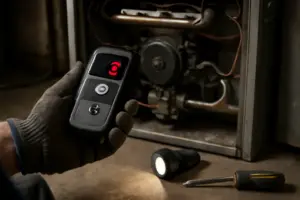
Watch the furnace go through a cycle. If the burners light — you’ll hear them ignite — and then the whole thing shuts down within 5 to 10 seconds, the flame sensor is the prime suspect. A lot of newer furnaces will also blink an error code on the control board; check your manual, since something like a “3 flash” code frequently points to a flame sensor fault on Carrier, Trane, and Lennox models.
Cause #4: A Tripping High-Limit Switch
I touched on the high-limit switch earlier under airflow problems, but it earns its own spot here since it can trip for reasons that have nothing to do with a dirty filter. This thermal safety device — usually set to trip somewhere between 140°F and 170°F — shuts the furnace down once the heat exchanger gets dangerously hot. It’s functioning exactly as designed. What matters is figuring out why it’s getting triggered.
Typical triggers include blocked supply or return vents, a blower motor on its way out, closed dampers, or a grimy evaporator coil sitting on top of the furnace. I’ve also seen it caused by homeowners shutting too many room vents in the name of saving energy — that move actually raises static pressure in the ductwork and cuts down airflow across the heat exchanger. It backfires and wears the equipment out faster.
Go room to room and confirm every supply and return vent is wide open, and make sure furniture isn’t smothering any return grilles. Then see whether the furnace makes it through a full cycle. If the limit switch keeps tripping even with airflow looking fine, the switch itself might be the failing part — it only costs $8 to $25, but its failure usually means a closer inspection is in order.
The Filter Upgrade That Ended My Own Two-Minute Cycling Problem
A clogged or cheap air filter might be the sneakiest cause of short cycling on this list — it chokes off airflow, the furnace overheats, and it shuts down before it should. Roughly 40% of the short-cycling problems I hear about trace back to this exact issue, and it’s the simplest thing to rule out before anything else.
What Works
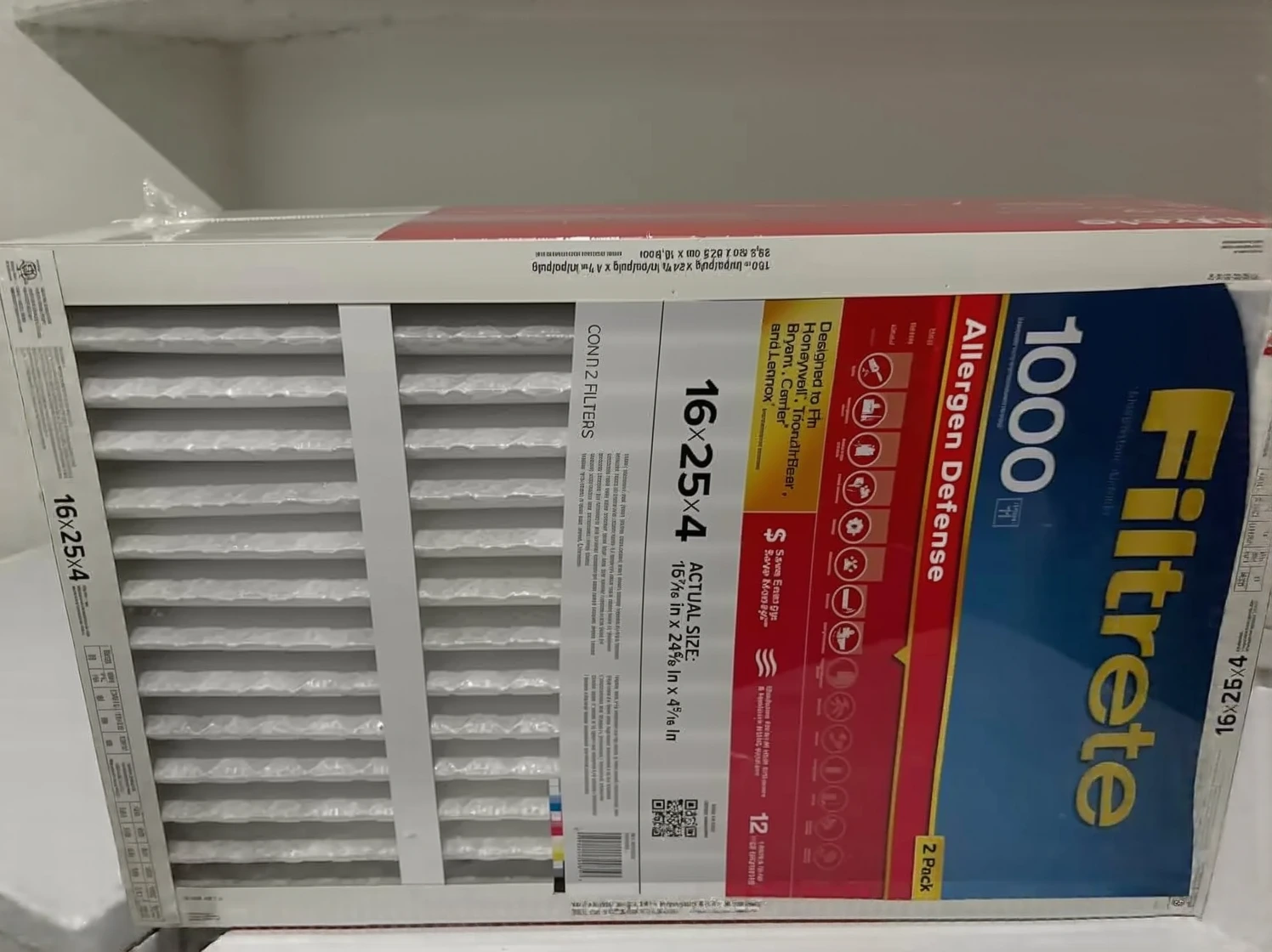
- A MERV 11 rating traps fine dust and allergens without strangling airflow the way higher-rated filters can — it’s the sweet spot for most residential systems.
- Buying a 4-pack means you’ve got filters on hand for swaps every 60 to 90 days without scrambling to find one mid-winter, and you’re more likely to actually notice when one’s due for changing.
- The thicker pleated construction traps debris longer than bargain fiberglass filters, which means the overheat limit switch trips less frequently.
What Doesn’t
- You’ll pay more per filter compared to basic 1-inch fiberglass, though changing them less frequently balances the cost out over time.
- On an older or lower-powered furnace, even a MERV 11 filter can add a touch of resistance, so confirm your furnace manual’s filter specification before upgrading.
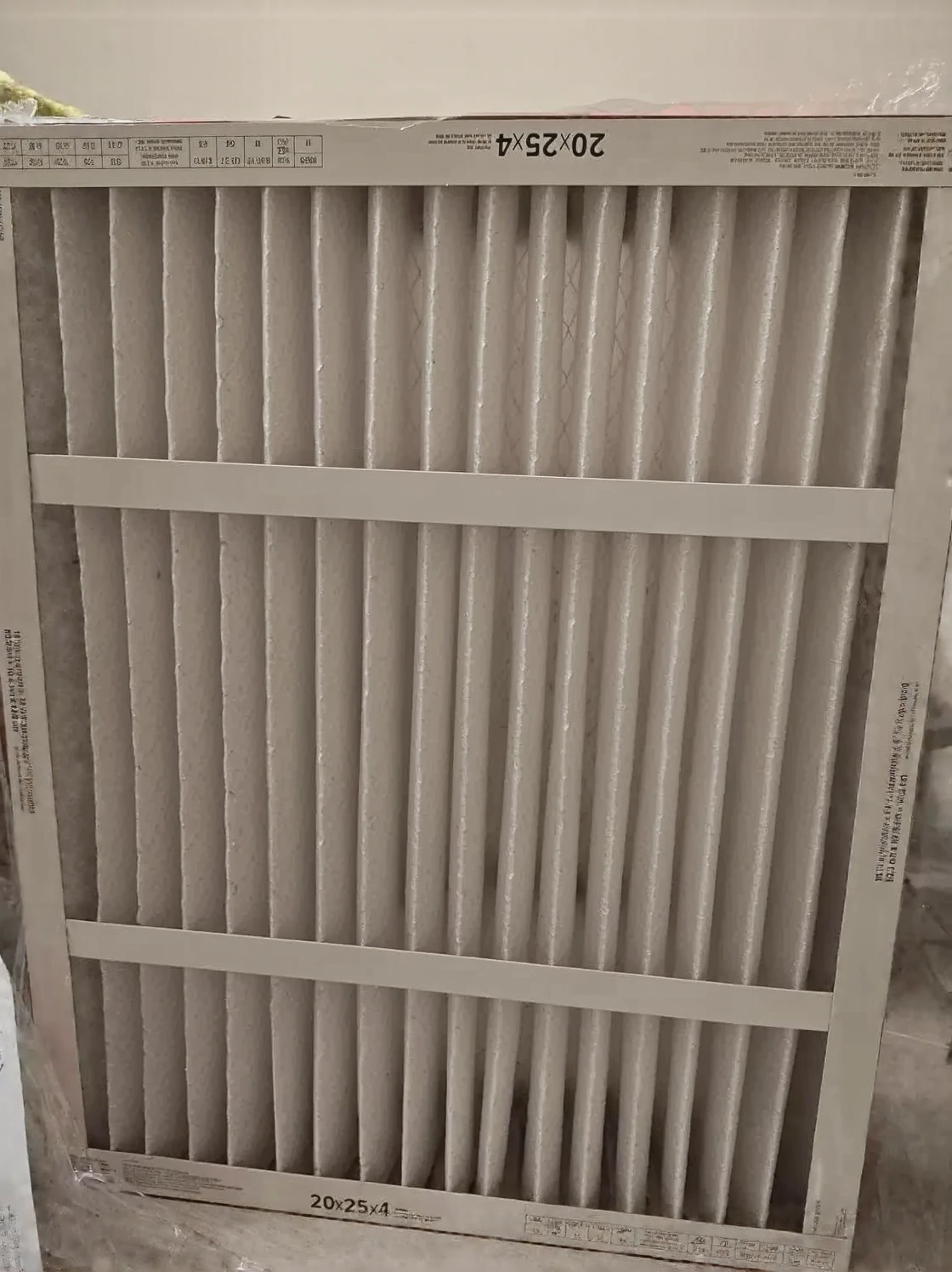
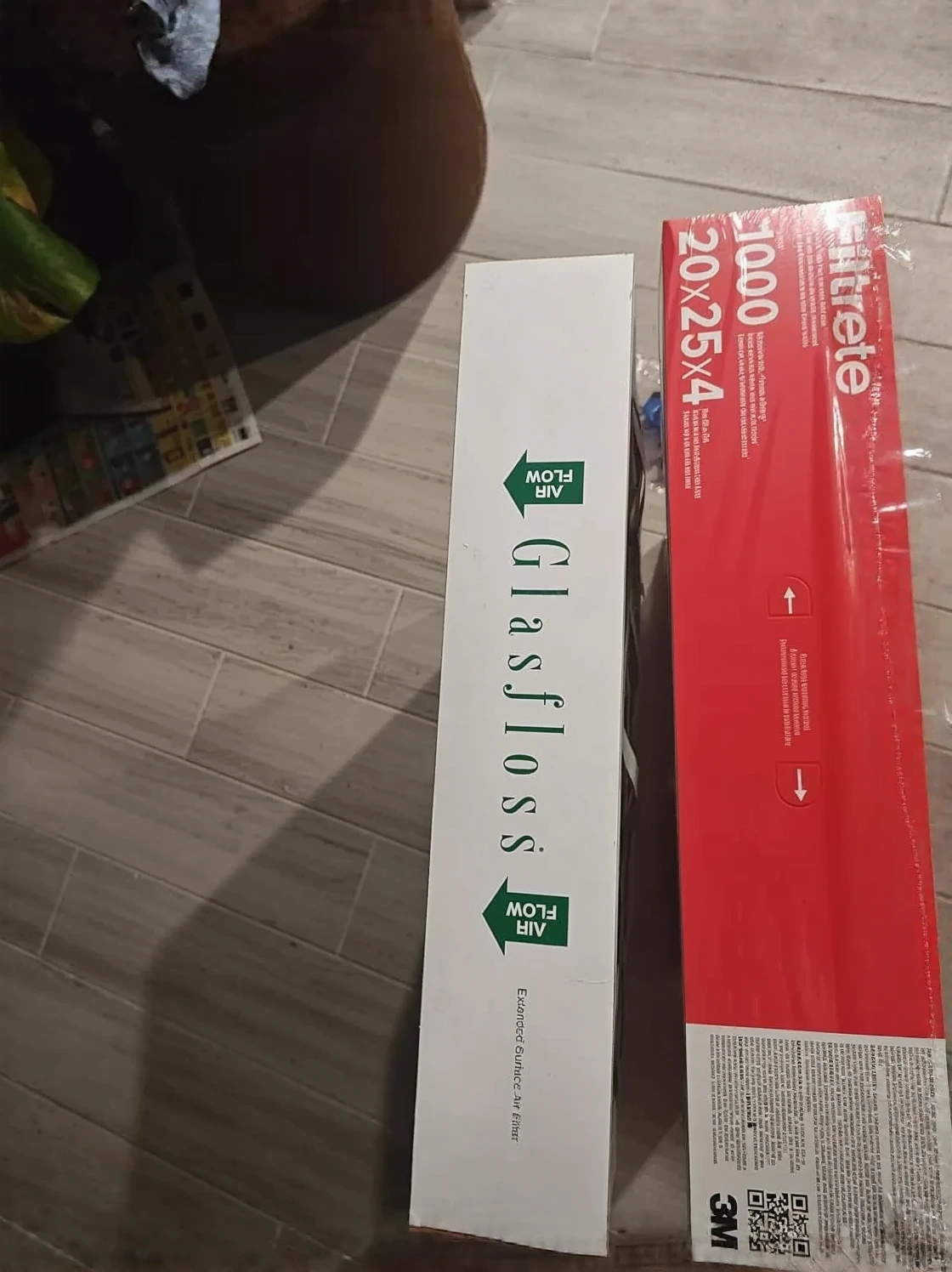
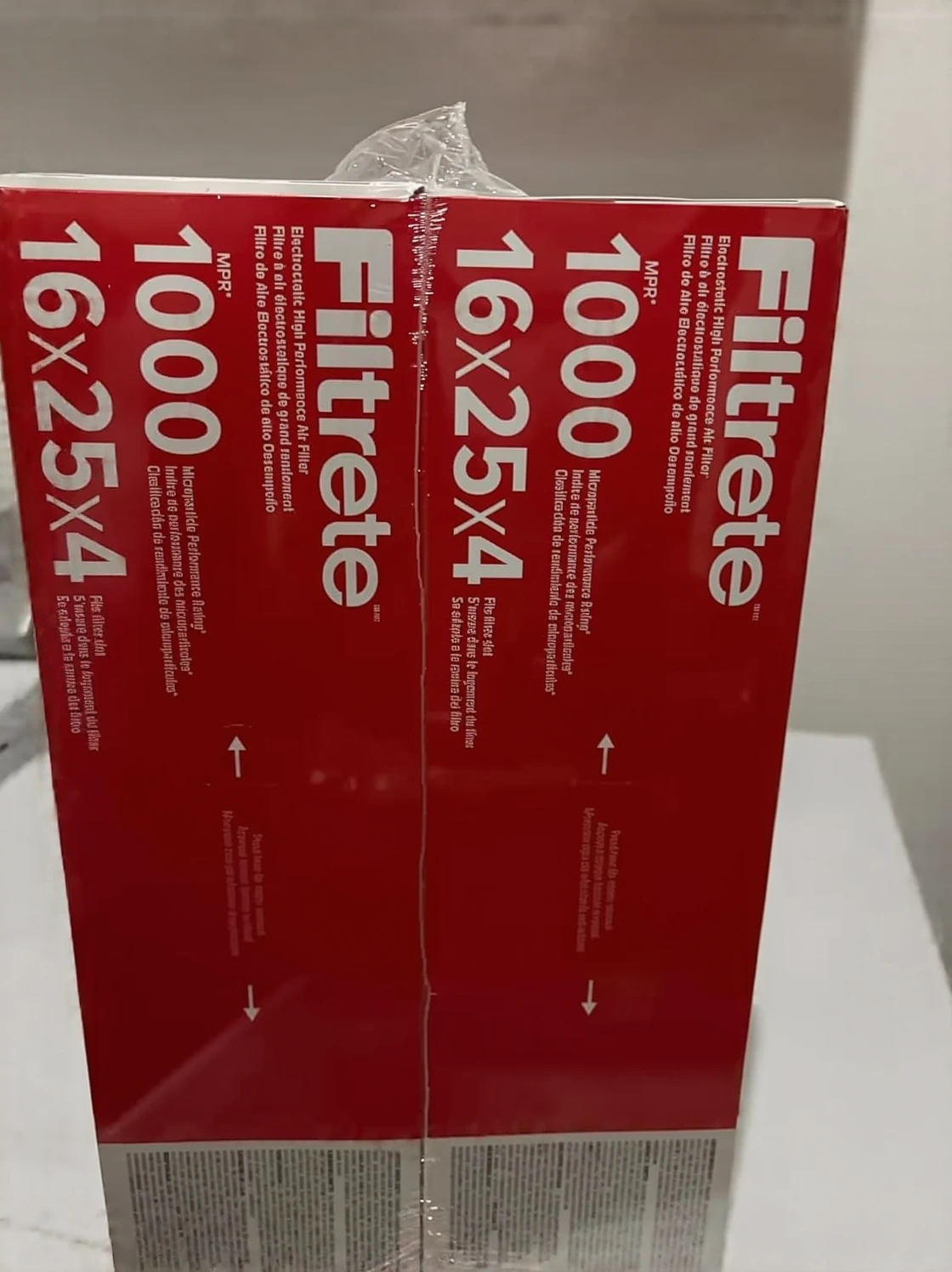
I’ll admit I almost missed the filter culprit on one job because the homeowner had just replaced theirs—until I held it up to the light and saw the dust packed deep inside the pleats. Grab a Filtrete 16x25x4 Air Filter and start rotating them on a monthly inspection schedule.
About This Article

Written by Dana Sorensen. Homeowner turned building-science obsessive. I help other homeowners understand attic insulation, ventilation, and air quality so they can stay comfortable year-round without overspending on energy bills. More about this site.
Scope and limits. Dana is a homeowner who studies building science, not an HVAC contractor or licensed tradesperson. Anything involving combustion appliances, gas lines, or electrical work belongs with a licensed contractor.
Verify this against a primary source
Specifics change, and your situation may differ from the one described here. These are the authorities worth checking directly:
- ENERGY STAR — recommended insulation R-values by climate zone
- U.S. Department of Energy — air sealing and insulation guidance
- EPA Indoor Air Quality — ventilation and indoor air quality standards