I got a call last Tuesday from a homeowner in Raleigh who was frustrated. “Dana, my house smells musty and I’m seeing mold spots on the basement walls. I ordered a big portable dehumidifier online—50 pints—but it’s not helping. What am I doing wrong?”
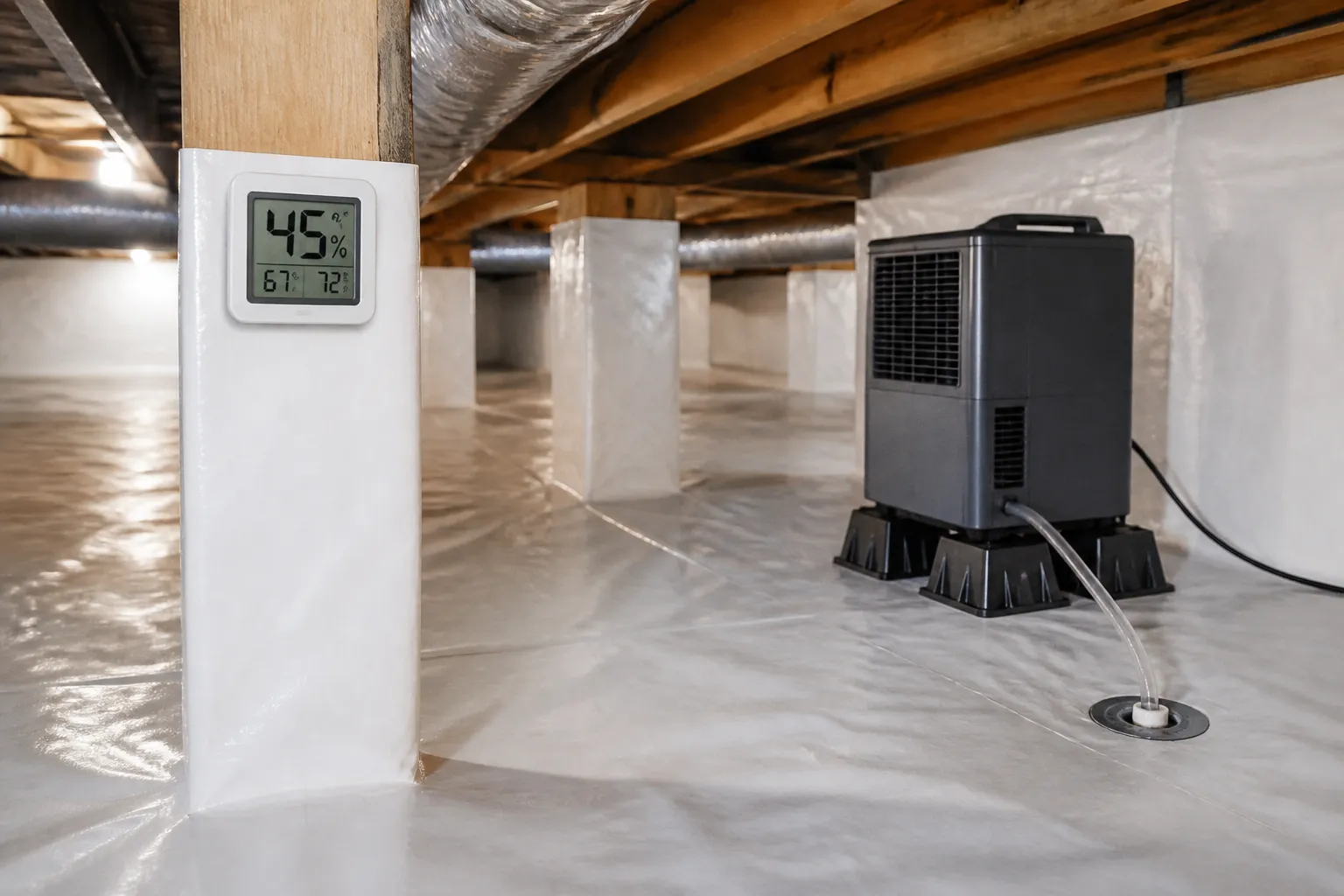
I went to inspect. The basement looked fine. The real problem was his crawl space—a 1,200-square-foot vented crawl space with no vapor barrier, sitting water against the foundation, and wood joists reading 22% moisture. A 50-pint portable in the basement wasn’t touching the problem because it wasn’t even designed for that job.
That’s when I realized how many homeowners are confused about whole house vs crawl space dehumidifier solutions. They buy the wrong tool, waste money, and the problem stays. I’ve been doing HVAC and home performance for 18 years, and this question comes up constantly. So let me break down exactly which dehumidifier you actually need, how to size it, and what mistakes to avoid.
Understanding the Problem: Why One Solution Won’t Fix Everything
Moisture in a home doesn’t all come from the same place, and it doesn’t all behave the same way. That’s the critical insight most homeowners miss.
In your living areas—bedrooms, kitchen, living room—humidity comes from daily activities: showers, cooking, laundry, people breathing. In summer, your air conditioning system removes some of this moisture (that’s called latent load removal). But in humid climates like the Southeast, or in homes with high ceilings and open floor plans, your AC might run all day and still not get humidity below 55-60% RH. That’s when your living spaces feel clammy, condensation forms on windows, and you notice allergy symptoms getting worse indoors.
In your crawl space or basement—an unconditioned space below your home—the problem is completely different. This space is naturally cold and exposed to ground moisture. Humidity levels in vented crawl spaces regularly hit 80-90% RH. The crawl space is the source of moisture that migrates upward into your home through rim joists, through cracks, and via air leakage. Mold, musty odors, and structural decay start down there.
Here’s the key: a whole-house dehumidifier won’t solve a crawl space problem, and a crawl space dehumidifier won’t solve high humidity in your living areas. They’re designed for different environments and operate under different conditions. Trying to use one where you need the other is like using a car tire to fix a leaky roof—it looks like the same material, but it’s built for a completely different job.
Understanding where your moisture is coming from is the first step. That’s where a home performance assessment can help. But if you’re reading this post, you probably suspect it’s one of these two scenarios. Let me help you figure out which one.
The Right Tool for the Job: Whole-House vs Crawl Space Dehumidifiers
Let me explain the actual differences between these tools, because the name alone doesn’t tell you much.
Whole-House Dehumidifiers
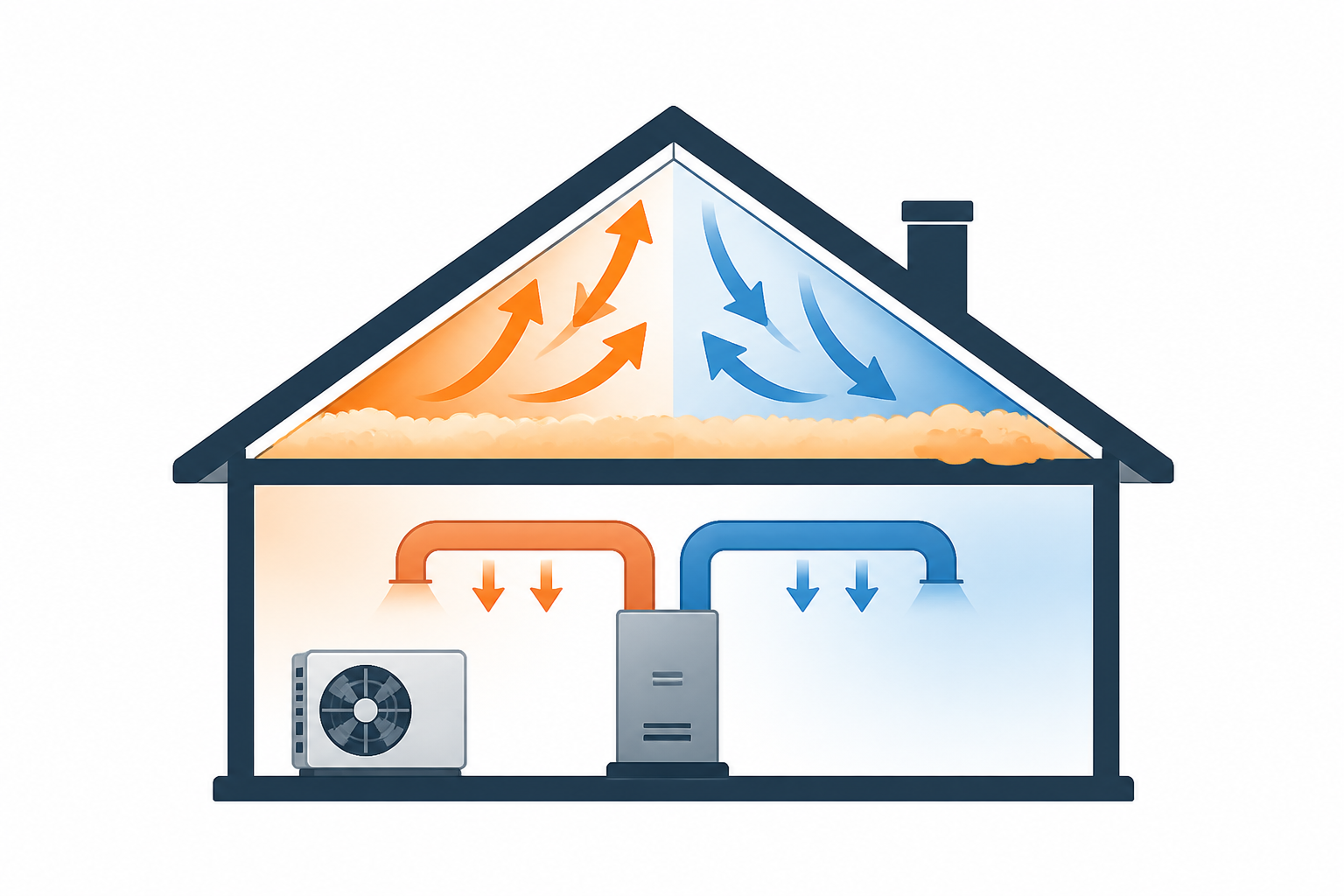
A whole-house dehumidifier is installed inline with your HVAC system—typically in the return air duct or in a central location where it can process air from all living areas. It’s controlled by a whole-house humidistat mounted on your wall, just like your thermostat. The system runs when humidity rises above your setpoint (usually 45-50% RH in summer).
Capacity ranges from 70 to 130 pints per day, depending on the model. Popular brands include Aprilaire, Santa Fe, and Honeywell. Installed cost typically runs $1,500 to $4,000, including ductwork modifications and wiring. These units are built to operate in conditioned spaces—your attic ductwork, basement, or a hallway—where temperatures stay between 65 and 85°F.
Critical limitation: A whole-house dehumidifier is NOT designed for unheated crawl spaces or basements. When the temperature drops below 60°F, moisture condenses on the cold evaporator coils and freezes. Even if the unit has auto-defrost (which adds complexity and reduces efficiency), it will struggle and eventually fail. You can damage the compressor by forcing it to operate in conditions it wasn’t built for.
Best for: Homes where your air conditioning runs constantly in summer but humidity still stays above 55% RH; homes with high ceilings, open floor plans, or additions where the AC alone can’t keep up; humid climates where dehumidification is a seasonal necessity; homes with condensation on windows in summer or noticeable stuffiness indoors.
Best Whole-House Solution: Santa Fe Compact Dehumidifier
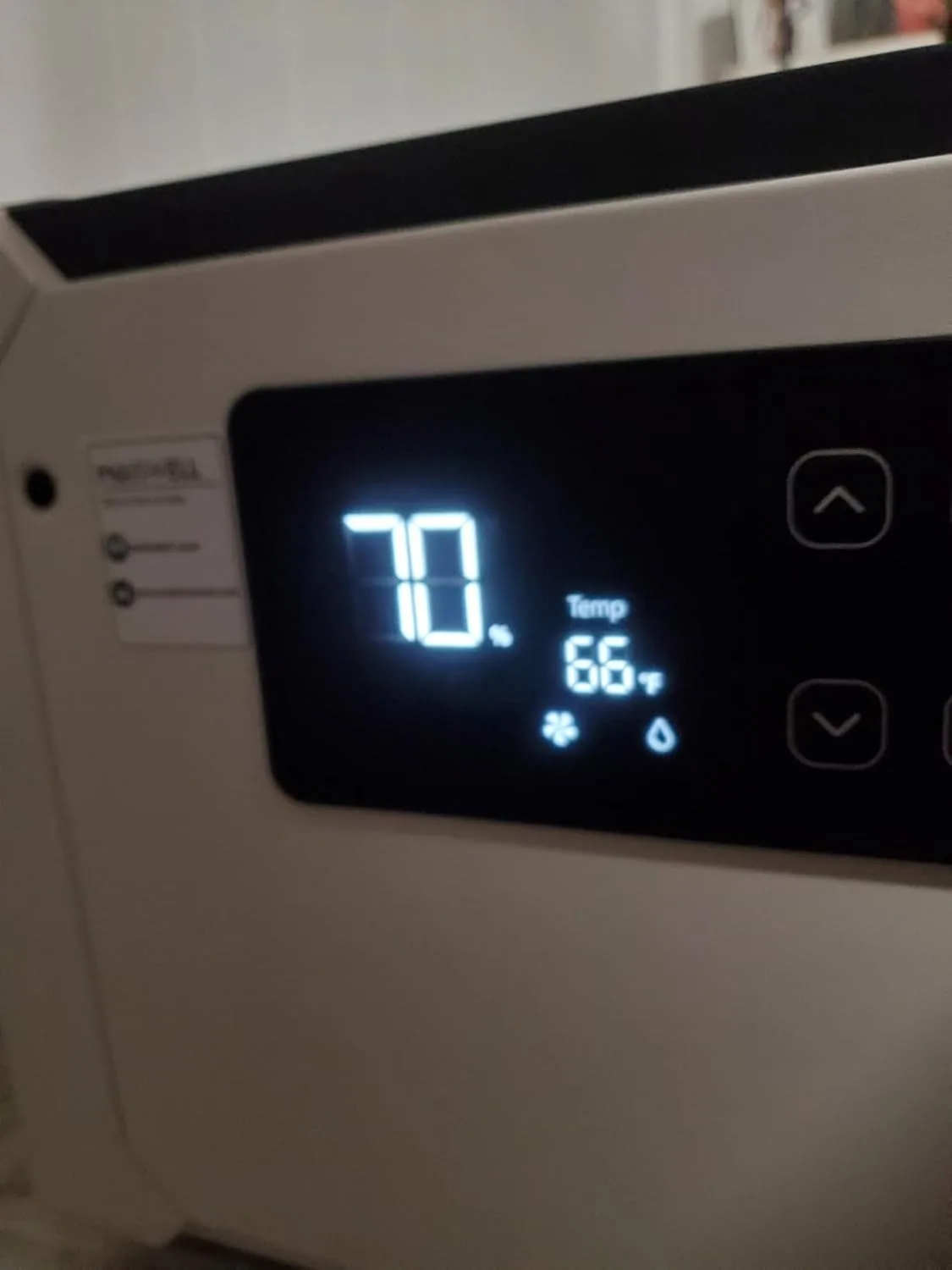
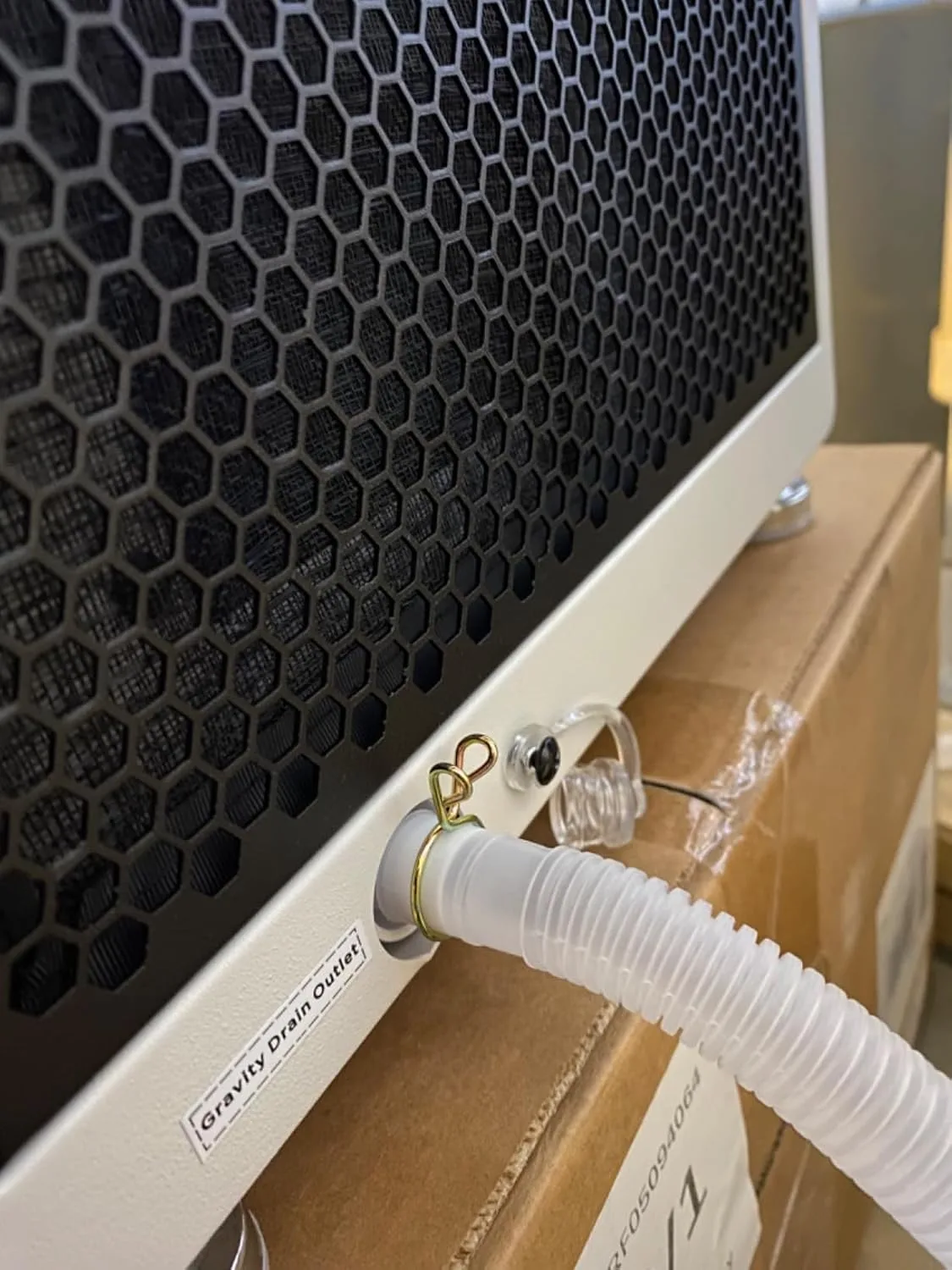
If you’re tired of moisture problems spreading from your crawl space to your entire home, a whole-house dehumidifier like the Santa Fe Compact (ASIN B0DCZN7FCR) integrates directly with your HVAC system to manage humidity at the source before it reaches your living spaces.
What Works
- Protects your entire home including upper floors by connecting to existing ductwork, not just isolated crawl spaces
- Removes condensation efficiently without requiring separate drainage or maintenance in hard-to-reach crawl spaces
- Works 24/7 with your HVAC system to maintain consistent humidity levels (30-50%) across all rooms simultaneously
What Does Not
- Requires professional HVAC installation, which adds to upfront costs compared to standalone crawl space units
- May be overkill for homes with moisture problems isolated to crawl spaces only, wasting energy on unnecessary whole-home coverage
Ready to solve moisture problems throughout your entire home? Check the current price and availability of the Santa Fe Compact Dehumidifier on Amazon. As an Amazon Associate, we earn from qualifying purchases at no extra cost to you.